Best Indoor Plants for Beginners: Low-Maintenance Picks That Thrive
Indoor plants beginners is an important topic for homeowners, and this guide covers it in detail. Houseplants transform a home—cleaning the air, boosting mood, and adding life to any room. But if you have ever watched a plant slowly decline on your windowsill, you know that choosing the right species matters as much as caring for it. This guide covers the best beginner-friendly indoor plants, exactly how to keep them alive and thriving, and how to build a lush indoor jungle without stress or a big budget.
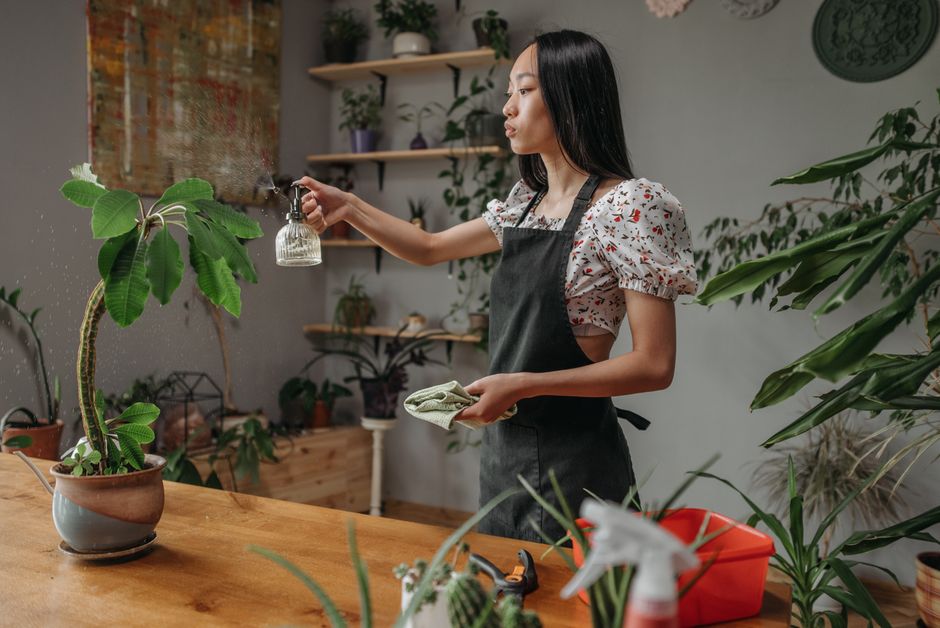
The good news: keeping houseplants healthy comes down to a handful of simple principles. Once you understand light, water, and the right plant for your space, success becomes almost automatic.
Why Indoor Plants Are Worth It
Beyond looking beautiful, indoor plants genuinely improve well-being. Studies link houseplants to lower stress, better focus, and improved air quality. They soften hard interiors, add color and texture, and make a space feel cared-for and alive. They are also remarkably affordable decor: a healthy pothos or snake plant costs $10–$25 (£8–£20) and can be propagated into dozens of new plants for free, making them one of the best-value ways to elevate a room.
The Best Low-Maintenance Indoor Plants
If you are new to houseplants or tend to forget watering, start with these near-indestructible favorites:
- Snake plant (Sansevieria): Nearly indestructible, tolerates low light and irregular watering with ease.
- Pothos: A fast-growing trailing vine that is forgiving and effortless to propagate.
- ZZ plant: Thrives on neglect and low light—perfect for dim offices and forgetful owners.
- Spider plant: Non-toxic to pets and produces baby “pups” you can easily replant.
- Peace lily: Tells you when it is thirsty by drooping dramatically, then perks right back up after watering.
- Philodendron: Lush, highly adaptable, and quick to grow into an impressive specimen.
Master two or three of these before branching into fussier tropicals like calatheas or fiddle-leaf figs.
Understanding Light Requirements
Light is the number one reason houseplants fail. South-facing windows offer the brightest light; north-facing windows are the dimmest. Most beginner plants prefer bright, indirect light—near a window but shielded from harsh direct sun that can scorch their leaves. Low-light champions like snake and ZZ plants tolerate dim corners, but even they grow faster and stronger with more light.
If natural light is scarce in your home, an inexpensive LED grow light works wonders and lets you keep plants healthy through dark winter months. Rotate your plants a quarter turn each week so they grow evenly rather than leaning toward the window.
How to Water and Pot Correctly
Overwatering kills more houseplants than anything else. Rather than watering on a fixed schedule, check the soil: stick a finger an inch or two down and water only when it feels dry. Water thoroughly until it drains from the bottom, then empty the saucer so roots never sit in standing water. In winter, most plants need far less water as their growth naturally slows.
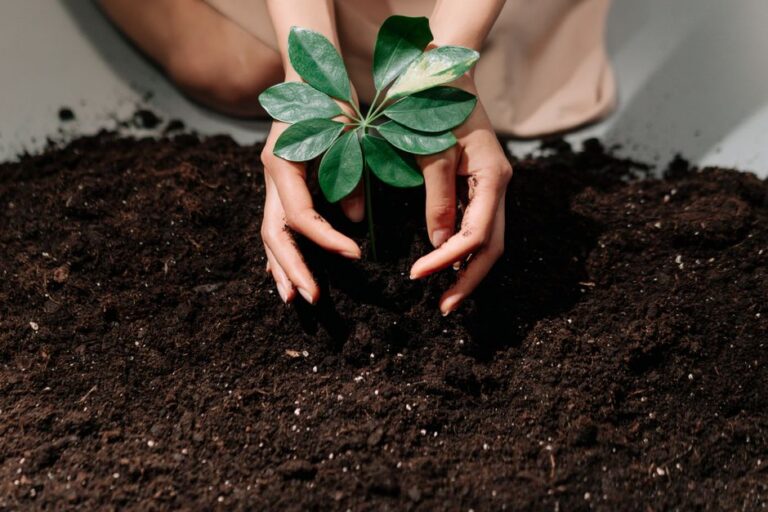
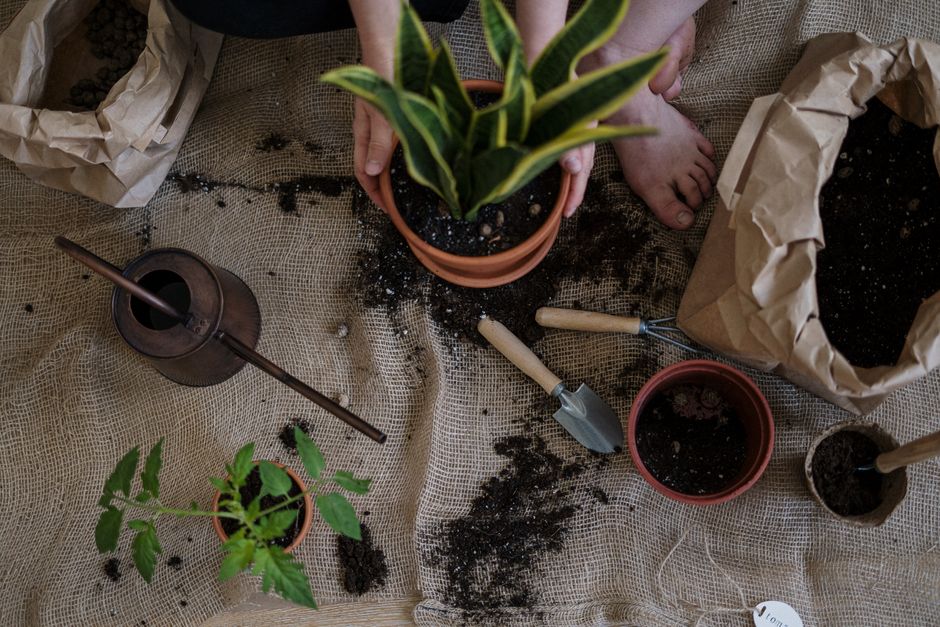
Always use pots with drainage holes and a well-draining potting mix—add perlite for succulents and cacti. Terracotta pots wick away excess moisture and suit plants prone to overwatering, while glazed ceramic and plastic retain moisture longer. Repot when roots circle the bottom or poke through the drainage holes, usually every one to two years, moving up just one pot size at a time.
Feeding and Humidity
Feed houseplants with a diluted balanced liquid fertilizer every 4–6 weeks during the active growing season of spring and summer, then stop in winter when growth pauses. Over-feeding builds up salts and can burn roots, so err on the side of less.
Tropical plants like calatheas and ferns appreciate higher humidity—group plants together, use a pebble tray filled with water, or run a small humidifier during dry months. Snake plants, succulents, and ZZ plants, by contrast, are perfectly happy in normal dry indoor air, which makes them ideal for homes with central heating.
Common Problems and Fixes
- Yellow leaves: Usually overwatering—let the soil dry out more between waterings.
- Brown leaf tips: Low humidity or fluoride and salts in tap water; try filtered or rainwater.
- Leggy, stretched growth: Not enough light—move the plant closer to a window or add a grow light.
- Drooping: Either too dry (perks up after watering) or too wet (check for soggy soil and root rot).
- Pests like fungus gnats or spider mites: Let soil dry, wipe the leaves, and treat with neem oil.
Propagation: Free New Plants
One of the great joys of houseplants is multiplying them for free. Pothos, philodendron, and spider plants root easily in water—just snip below a node and place the cutting in a glass on a bright windowsill. Within a few weeks you will have roots ready to pot up. This is a fantastic way to fill your home, share with friends, or even sell extras at a local market. Succulents propagate from single leaves laid on top of soil, and many plants can be divided when you repot them.
Building Your Indoor Jungle on a Budget
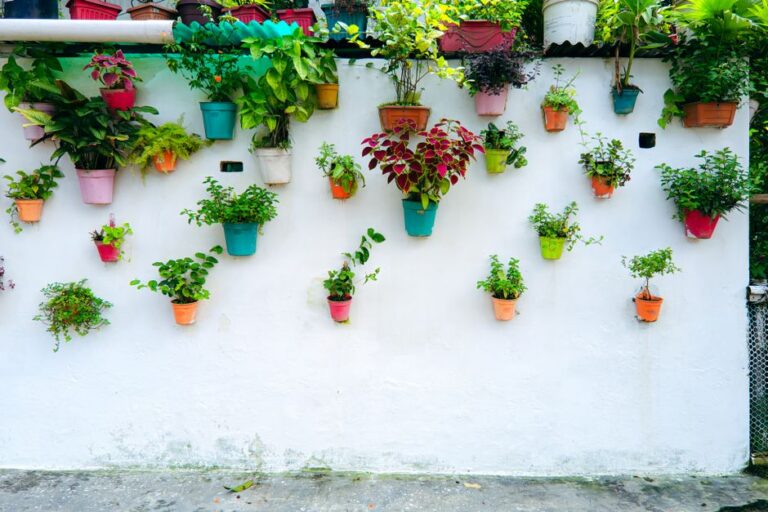
Start with two or three easy plants, master their care, then expand gradually. Shop end-of-season sales, swap cuttings with friends and neighbors, and check local plant groups where enthusiasts often give away extras. Group plants at varying heights on shelves, stands, and hanging hooks for a lush, layered look that rivals expensive interior design at a tiny fraction of the cost. A few carefully placed plants can make a room feel completely transformed.
Conclusion
You do not need a green thumb to enjoy thriving houseplants—you need the right plants and a few simple habits. Choose forgiving species, give them appropriate light, water only when the soil dries, and feed lightly in the growing season. Start small, learn as you go, propagate for free, and soon your home will be filled with healthy, air-cleaning greenery that lifts the whole space.