Organic Pest Control: Protect Your Garden Without Chemicals
Nothing is more frustrating than watching pests devour a garden you have worked hard to grow. But you do not need harsh chemicals to protect your plants. Organic pest control keeps your food safe to eat, your soil healthy, and the beneficial insects that pollinate and protect your garden thriving. This guide covers proven natural methods to prevent and manage the most common garden pests across Tier-1 climates—without reaching for synthetic sprays.
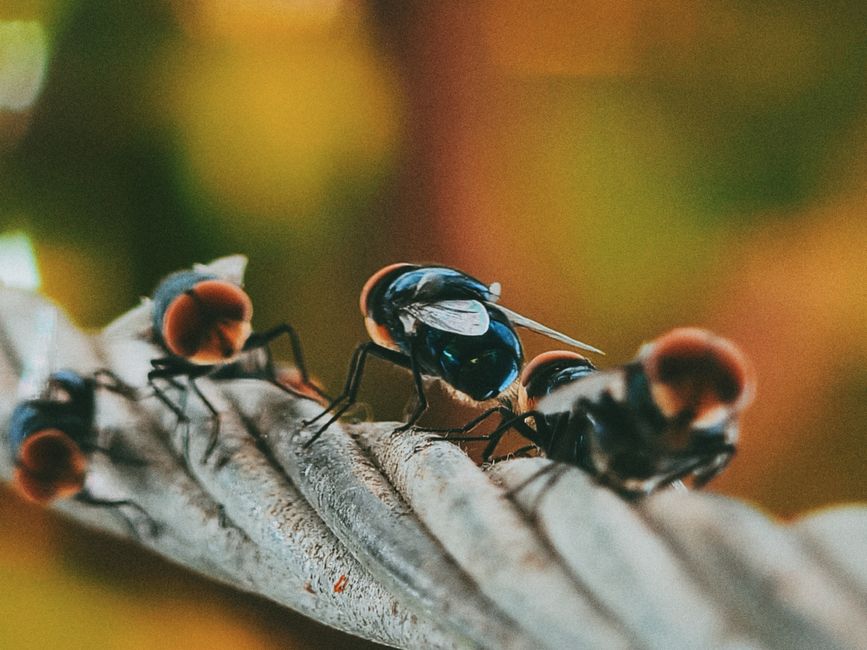
The organic approach is not about eliminating every bug; it is about creating a balanced garden where pests never get the upper hand. Done well, it means fewer problems each year, not more.
Why Choose Organic Pest Control?
Synthetic pesticides can kill beneficial insects along with pests, contaminate the produce you eat, and harm soil life and pollinators. Organic methods work with nature instead of against it, protecting the ecosystem that keeps your garden healthy in the first place. They are safer for children, pets, and edible crops, and they often cost less than commercial chemical products—many rely on prevention and free helpers rather than expensive bottles.
Prevention: Your First Line of Defense
Healthy plants resist pests far better than stressed ones, so good basic care is your strongest weapon. Build robust plants with rich soil, proper watering, and generous spacing for airflow. Rotate crops each year to break pest and disease cycles, keep the garden tidy to remove hiding and breeding spots, and inspect plants regularly—when a handful of bugs is easy to handle, before it becomes an infestation.
Choosing pest-resistant varieties is another powerful preventive step; seed catalogs often flag cultivars bred to shrug off common problems like mildew or blight. Timing plantings to avoid peak pest seasons, keeping foliage dry by watering at the base, and cleaning up fallen leaves and spent plants where pests overwinter all tilt the odds in your favor. Prevention is not glamorous, but it does more to protect your harvest than any spray—a garden built on healthy plants and good habits rarely faces a serious outbreak in the first place.
Attracting Beneficial Insects
Nature provides an entire army of pest predators if you simply invite them in:
- Ladybugs: Devour aphids by the hundreds, both as adults and larvae.
- Lacewings: Their larvae feast on aphids, mites, and small caterpillars.
- Hoverflies and parasitic wasps: Control aphids and caterpillars naturally.
- Ground beetles: Patrol the soil surface eating slugs and other pests.
Plant flowers like alyssum, dill, fennel, and yarrow to feed and shelter these helpful insects, and avoid broad-spectrum sprays that would wipe them out along with the pests.
Companion Planting
Certain plant pairings naturally repel pests or lure them away from your crops. Marigolds deter nematodes and many insects; basil planted near tomatoes helps repel flies and hornworms; and nasturtiums act as a “trap crop” that draws aphids away from your vegetables so you can deal with them in one place. Interplanting a diverse mix also confuses pests that locate food by scent, making it harder for any single pest to build up damaging numbers.
Physical Barriers and Traps
- Row covers: Lightweight fabric physically blocks cabbage moths, beetles, and flies.
- Copper tape: Deters slugs and snails around pots and raised beds.
- Collars: Cardboard rings around seedlings stop cutworms in their tracks.
- Sticky and beer traps: Catch flying pests and lure slugs to their end.
- Netting: Protects fruit and brassicas from birds and butterflies.
Homemade and Natural Sprays
When an infestation needs active treatment, several safe options work well:
- Insecticidal soap: A mild soap-and-water spray that kills soft-bodied pests like aphids on contact.
- Neem oil: Disrupts the feeding and breeding of a wide range of insects.
- Garlic or chili spray: A homemade repellent that discourages many pests.
- Diatomaceous earth: A fine powder that controls slugs, beetles, and crawling insects.
Always spray in the evening to protect daytime pollinators, and test on a few leaves first to be sure the plant tolerates the treatment.
Managing Common Garden Pests
- Aphids: Blast them off with a jet of water, then use insecticidal soap; encourage ladybugs.
- Slugs and snails: Handpick at night, use copper tape, beer traps, or diatomaceous earth.
- Caterpillars: Handpick, deploy row covers, or apply Bt, a natural soil bacterium.
- Spider mites: Raise humidity, spray with neem, and remove badly infested leaves.
- Whiteflies: Use yellow sticky traps and encourage predatory insects.
Building a Balanced Garden Ecosystem
The goal of organic pest control is balance, not total elimination. A few pests are actually necessary—they feed the predators that keep populations in check. By fostering biodiversity with varied plants, flowers for pollinators, water sources, and habitat for beneficial creatures, your garden gradually becomes self-regulating and far less prone to the devastating outbreaks that plague monoculture beds treated with chemicals.
Small additions make a big difference: a shallow dish of water with pebbles gives insects and birds a place to drink, a log pile or “bug hotel” shelters ground beetles and solitary bees, and leaving a few perennials standing over winter provides overwintering sites for beneficial insects. Even a patch of flowering weeds in a corner can support pollinators and predators. Over a season or two, this living balance establishes itself, and you will notice pest problems shrinking each year as the good bugs move in and take over the work of protecting your plants for free.
Conclusion
Organic pest control protects your harvest without harming your health, your soil, or the beneficial insects that make gardens flourish. Focus on prevention first, invite natural predators, use companion planting and physical barriers, and reach for gentle sprays only when truly necessary. Work with nature rather than against it, and you will enjoy a healthier, more resilient, and more productive garden year after year.