25 Backyard Patio Ideas That Add Value and Style in 2026
Backyard patio add value is an important topic for homeowners, and this guide covers it in detail. A well-designed patio is one of the most rewarding upgrades you can make to your home. It extends your living space outdoors, creates a natural gathering spot, and can return a meaningful share of its cost when you sell. Whether you have a compact courtyard or a sprawling lawn, the right patio design turns unused ground into the most-used room in your house. This guide walks through fresh ideas, realistic 2026 costs, and the practical decisions that separate a patio you love from one you regret.
Why a Patio Is a Smart Investment
Outdoor living continues to top homebuyer wish lists across the US, UK, Canada, and Australia. A quality patio typically recovers 60 to 80 percent of its cost at resale, and it makes a home show better in listing photos and in-person tours. Beyond resale, a patio delivers years of daily use: morning coffee, family dinners, and weekend entertaining all move outdoors. Unlike a deck, a ground-level patio rarely requires railings or structural permits, which keeps costs lower and maintenance minimal.
Choosing the Right Patio Material
Material choice drives both your budget and the finished look. Here are the most popular options in 2026:
- Poured concrete — the most affordable at roughly $8 to $15 per square foot; versatile and easy to stamp or stain.
- Concrete pavers — $12 to $22 per square foot; interlocking, replaceable, and available in endless patterns.
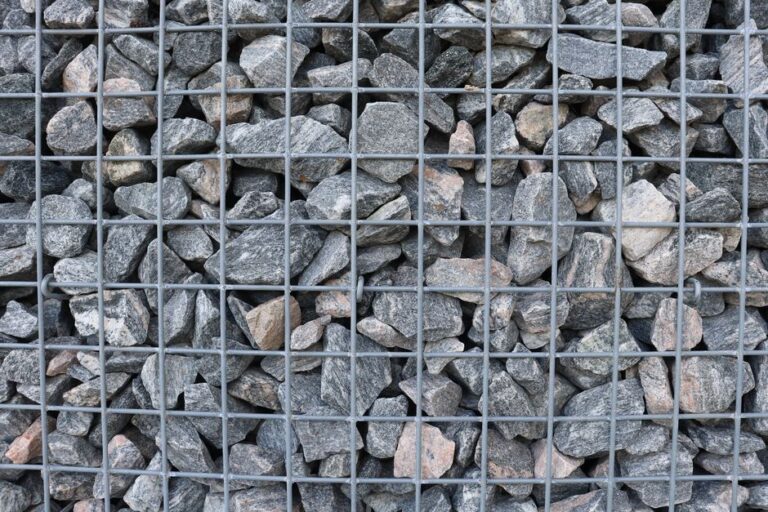
- Natural stone (flagstone, bluestone) — $20 to $40 per square foot; premium look with unmatched durability.
- Porcelain pavers — $18 to $30 per square foot; fade-resistant, low-maintenance, and increasingly popular for modern designs.
- Brick — $14 to $25 per square foot; classic and timeless, ideal for traditional homes.
For a 300-square-foot patio, budget roughly $3,000 to $12,000 installed depending on material and site prep.
Design Ideas for Small Backyards
Limited space is no barrier to a stunning patio. Use large-format pavers to make the area feel bigger, and keep the color palette light and consistent. A built-in bench along one edge saves floor space that freestanding chairs would eat up. Vertical planters and a compact bistro set create an intimate corner without crowding. Consider a circular paver layout to soften tight rectangular yards and draw the eye inward.
Creating an Outdoor Living Room
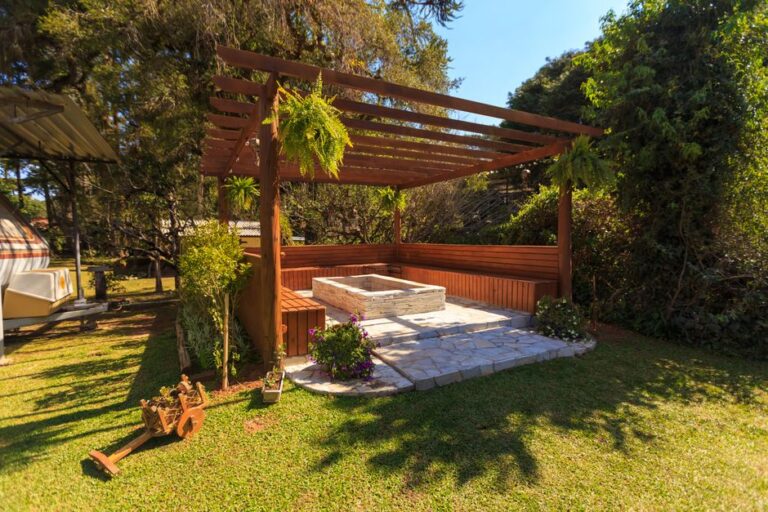
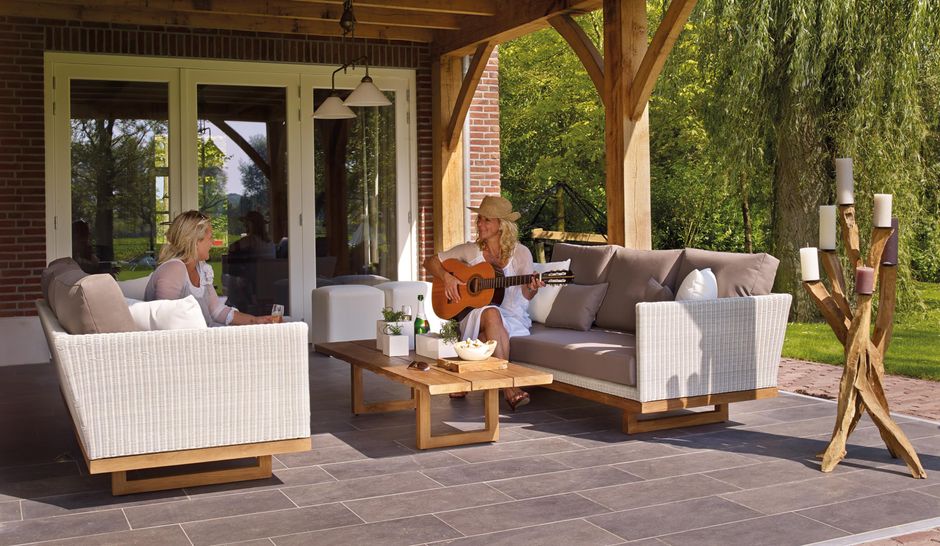
The biggest patio trend of 2026 is treating the space like an interior room. Anchor the area with a weather-resistant rug, add a sectional sofa with deep cushions, and include a coffee table for drinks and books. A pergola or shade sail overhead defines the ceiling, while an outdoor rated media wall or fireplace gives the room a focal point. Layering these elements makes the patio feel like a genuine extension of your home rather than an afterthought.
Patio Ideas for Dining and Entertaining
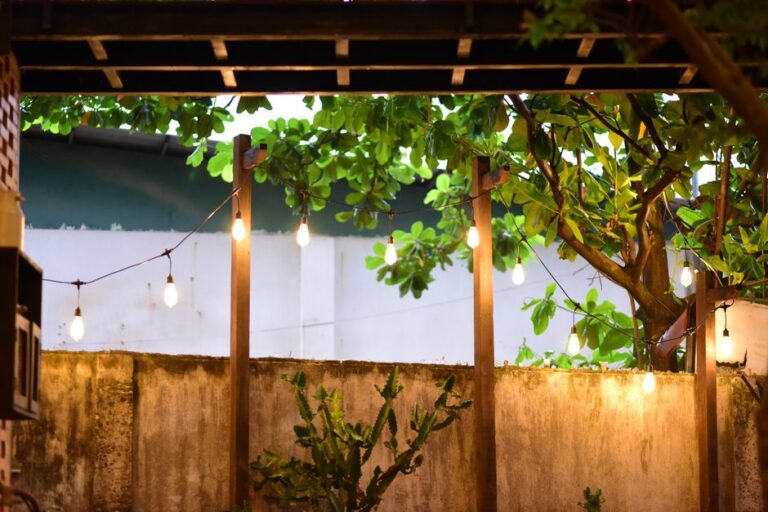
If hosting is your priority, plan for a dedicated dining zone. A six to eight seat table needs about 12 by 12 feet of clear space, including room to pull chairs out. String lights overhead add ambiance and let dinners run late into the evening. Position the dining area near your kitchen door or a future outdoor kitchen to minimize trips indoors. A nearby beverage station or built-in cooler keeps the host in the conversation instead of running back and forth.
Adding Fire, Water, and Greenery
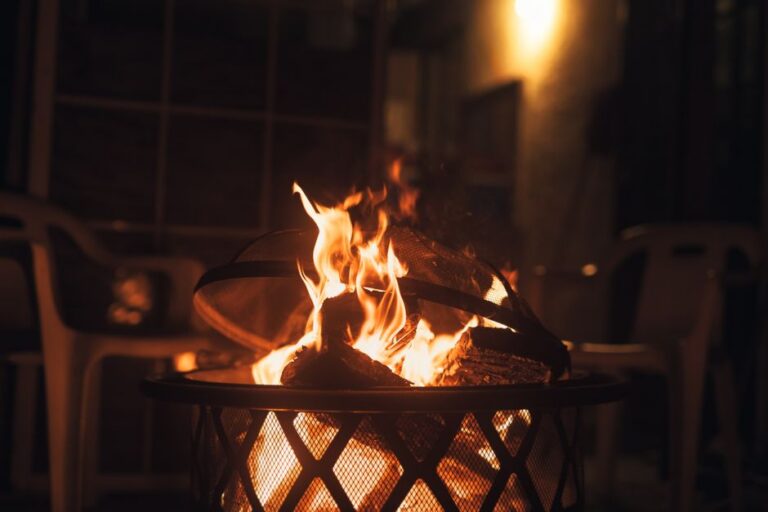
The features around your patio matter as much as the surface itself. A fire pit or fire table extends the season into cool evenings and gives guests a natural place to gather. A small water feature adds soothing sound and masks street noise. Surround the perimeter with layered planting beds, ornamental grasses, and potted specimens to soften hard edges and connect the patio to the wider garden. These touches transform a plain slab into a destination.
Lighting Your Patio for Evening Use
Good lighting doubles the hours you can enjoy a patio. Combine three layers: ambient light from string lights or wall sconces, task light near seating and cooking areas, and accent light to highlight plants or steps. Warm LED bulbs around 2700K create an inviting glow, and low-voltage or solar fixtures keep running costs negligible. Add a smart controller so you can dim or schedule the lights from your phone.
Budgeting and Financing Your Patio Project
Set a realistic budget before you fall in love with premium stone. Get at least three quotes from licensed contractors, and confirm whether prices include excavation, base preparation, and drainage. Many homeowners finance larger patios through a home equity line of credit, a personal loan, or contractor financing, spreading the cost over several years while enjoying the space immediately. Because a patio adds resale value, financing at a reasonable rate can be a sound decision rather than a splurge.
DIY Versus Hiring a Professional
A confident DIYer can lay a paver patio over a weekend and save 40 to 60 percent on labor. Success hinges on proper base work: excavate several inches, add compacted gravel and sand, and check for level and drainage. Poured concrete and natural stone, by contrast, reward professional installation because mistakes are costly to correct. Be honest about your skills, tools, and available time before choosing the DIY route.
Conclusion
A backyard patio is one of the few home improvements that pays you back in both daily enjoyment and long-term value. Start by defining how you want to use the space, choose a material that fits your budget and climate, and layer in shade, lighting, and greenery to make it feel complete. Whether you spend $3,000 or $30,000, a thoughtfully designed patio will quickly become the heart of your outdoor life and a standout feature when it is time to sell.