18 Pergola Ideas to Transform Your Backyard in 2026
Pergola transform backyard is an important topic for homeowners, and this guide covers it in detail. A pergola is the perfect middle ground between an open patio and a fully enclosed structure. It frames your outdoor space, delivers dappled shade, and creates an instant focal point that makes a backyard feel finished and intentional. In 2026, pergolas have evolved far beyond simple wooden beams, with motorized louvered roofs, integrated lighting, and sleek aluminum frames leading the way. This guide covers fresh design ideas, realistic costs, and the practical choices that will help you build a pergola you enjoy for years.
What a Pergola Adds to Your Backyard
A pergola defines a zone within your yard, giving structure to an otherwise flat expanse. It provides partial shade that keeps a patio usable through the midday heat while still letting light and breeze through. Beyond function, a pergola raises the perceived value of a home by making outdoor living feel deliberate and upscale. Buyers respond to the sense of a designed outdoor room, and a quality pergola helps a listing stand out in photos and tours.
Popular Pergola Materials and Their Costs
Material shapes the look, lifespan, and price of your pergola. The main options in 2026 are:
- Pressure-treated wood — $2,500 to $6,000 installed; affordable and easy to customize but needs regular sealing.
- Cedar — $4,000 to $9,000; naturally rot-resistant with a rich grain.
- Aluminum — $5,000 to $12,000; rust-proof, lightweight, and virtually maintenance-free.
- Vinyl — $4,000 to $8,000; clean white look that never needs painting.
- Fiberglass — $6,000 to $14,000; strong enough for long spans and premium finishes.
A basic freestanding kit can cost under $2,000, while a custom motorized louvered pergola can exceed $20,000.
Louvered and Motorized Pergolas
The standout upgrade of 2026 is the adjustable louvered roof. With the push of a button or a smartphone tap, angled slats rotate to control sun, shade, and ventilation, then close fully to shed rain. Many models include integrated rain sensors that shut automatically during a shower. Though they command a premium, motorized louvered pergolas turn a fair-weather feature into an all-season outdoor room, which is why they dominate the higher end of the market.
Attached Versus Freestanding Designs
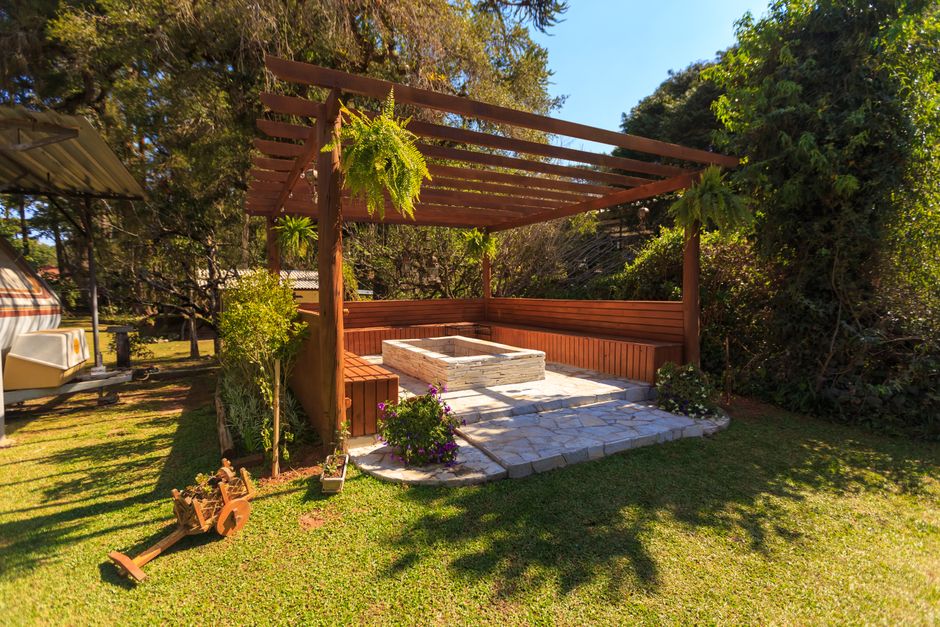
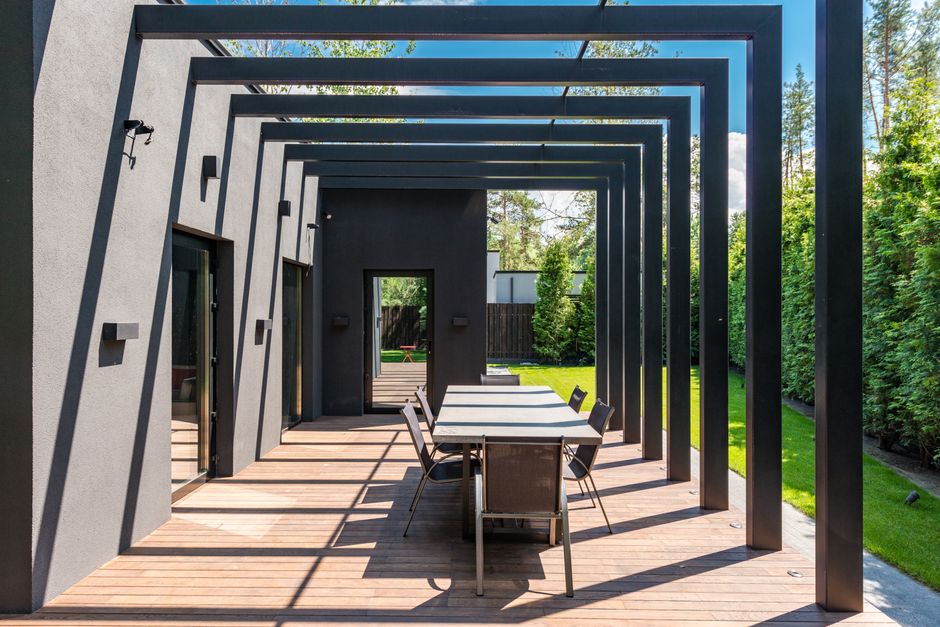
An attached pergola bolts to your house and typically shades a patio or back door, creating a seamless indoor-outdoor transition. It uses the home for structural support, which can lower material costs. A freestanding pergola stands anywhere in the yard, making it ideal for defining a dining area, hot tub, or garden retreat away from the house. Your choice depends on where you want the shaded zone and how you move through the space.
Adding Shade With Plants and Fabric
A pergola’s open roof invites creative shading. Climbing plants like wisteria, grapevine, and star jasmine weave through the beams to create living, fragrant shade that improves each season. For instant coverage, retractable canopies slide across the top rails and pull back on demand. Outdoor curtains along the sides add privacy and block low sun, while a shade sail stretched overhead delivers modern geometry and quick relief from heat.
Lighting and Ambiance Ideas
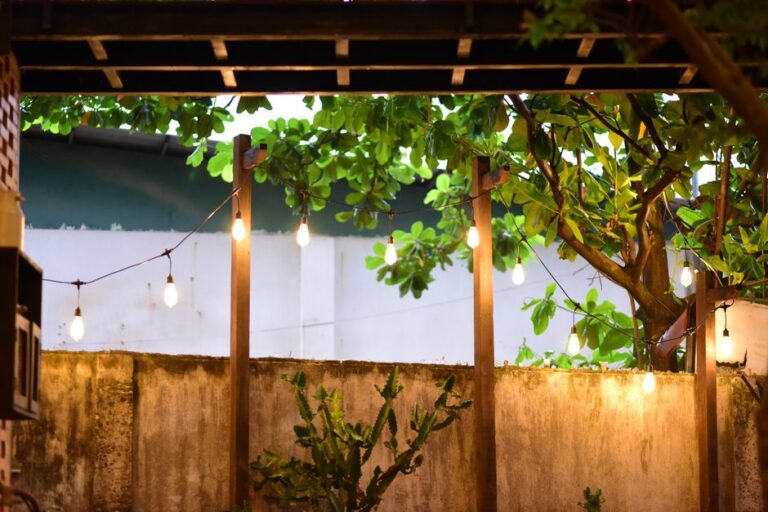
Lighting turns a pergola into an evening destination. String lights draped between the rafters are the classic choice, casting a warm glow perfect for dinners and gatherings. Recessed LED spots built into the beams provide subtle, modern illumination, while solar lanterns hung from hooks require no wiring. Add a dimmer or smart controller to shift the mood from bright entertaining to relaxed nightcap, and consider uplighting nearby plants to extend the scene into the garden.
Furnishing the Space Beneath
What you place under a pergola determines how you use it. A dining set turns it into an alfresco kitchen extension, while a sectional and coffee table create a lounge. Suspend a porch swing or hang a hammock chair from a sturdy beam for a relaxed reading nook. An outdoor rug anchors the furniture and defines the room, and a nearby fire table lets the space work into cool evenings. Choose weather-rated pieces that hold up to your climate.
Pergola Costs, ROI, and Financing
Beyond the build price, factor in permits ($100 to $500), concrete footings, and any electrical work for lighting or motorized roofs. Pergolas contribute to resale value by enhancing outdoor living, though they rarely appraise dollar-for-dollar; their main return is lifestyle and marketability. If a custom pergola stretches your budget, contractor financing or a home equity line of credit spreads the cost while you enjoy the shade immediately. Get multiple quotes to keep pricing honest.
DIY Pergola Kits Versus Custom Builds
Prefabricated kits have made DIY pergolas accessible, with wood and aluminum options that assemble over a weekend for a fraction of custom pricing. They suit standard rectangular spaces and simple designs. Custom builds, by contrast, let you match odd angles, long spans, and integrated features like louvers or built-in seating. If you are handy and your site is straightforward, a kit saves thousands; for complex or premium projects, hiring a professional ensures the structure is safe and code-compliant.
Conclusion
A pergola is one of the most versatile ways to elevate a backyard, delivering shade, structure, and style in a single feature. Whether you opt for a budget wood kit or a motorized louvered showpiece, the key is matching the design to how you plan to live outdoors. Choose durable materials for your climate, layer in plants and lighting for ambiance, and furnish the space to invite daily use. Done right, a pergola becomes the anchor of your outdoor living for years to come.