Raised Garden Beds: Costs, ROI, and How to Build Your First Bed
Raised garden beds have become the fastest-growing trend in home food production across the US, UK, Canada, and Australia—and for good reason. They warm up earlier in spring, drain better than compacted native soil, keep weeds at bay, and put your harvest at a back-friendly working height. Whether you want fresh salad greens outside your kitchen door or a full vegetable patch feeding your family, a raised bed is one of the highest-return investments a homeowner can make in their yard.
In this comprehensive guide we break down the real 2026 costs, the return on investment you can realistically expect, the best materials to choose, and a step-by-step build you can complete in a single weekend. By the end you will know exactly how to plan, budget, build, and maintain a bed that keeps producing for a decade or more.
Why Choose a Raised Garden Bed?
The core appeal is control. Instead of fighting heavy clay, sandy dirt, or rocky ground, you fill a raised bed with a premium soil blend tailored to exactly what you grow. That translates into faster germination, healthier roots, and noticeably bigger yields. For anyone whose native soil is poor, a raised bed is the single fastest route to a productive garden.
- Better drainage: Excess water escapes freely, preventing the root rot that plagues heavy soils.
- Warmer soil: Beds heat up 1–2 weeks earlier in spring, extending your growing season on both ends.
- Fewer weeds: A clean fill and defined edges dramatically reduce the hours you spend weeding.
- Ergonomics: Less bending and kneeling means gardening stays comfortable as you age or if you have back issues.
- Pest defense: Height and optional barriers deter rabbits, and lining blocks burrowing pests.
Raised beds also make a garden look intentional and tidy. Defined edges, neat pathways, and organized planting create an attractive space that adds curb appeal and can even lift a property’s value.
How Much Does a Raised Garden Bed Cost in 2026?
Costs vary by material and size, but here is what a typical 4×8-foot bed (about 1.2×2.4m) runs today:
- Cedar or redwood kit: $120–$300 (£95–£240). Rot-resistant and attractive but the priciest wood option.
- Pressure-treated pine: $60–$120 (£48–£95). Budget-friendly and long-lasting; choose modern copper-azole treatments rated as safe for garden use.
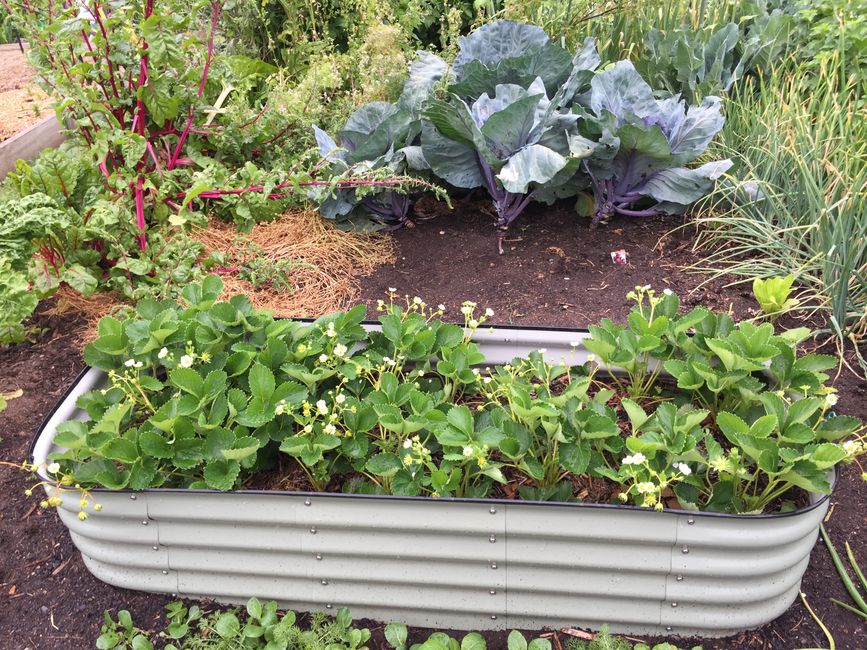
- Galvanized or Corten steel: $150–$350 (£120–£280). A modern look, decades of life, and no rotting whatsoever.
- Composite/recycled plastic: $130–$280 (£105–£225). Zero maintenance, splinter-free, and made from recycled material.
Then add soil. A 4×8 bed 12 inches deep needs roughly 32 cubic feet (about 0.9 cubic metres) of fill. Bulk garden soil and compost delivered runs $80–$180 (£65–£145); bagged mixes cost more but are convenient for smaller projects. All-in, expect $200–$450 (£160–£360) for a quality first bed, or less if you build the frame yourself from raw lumber.
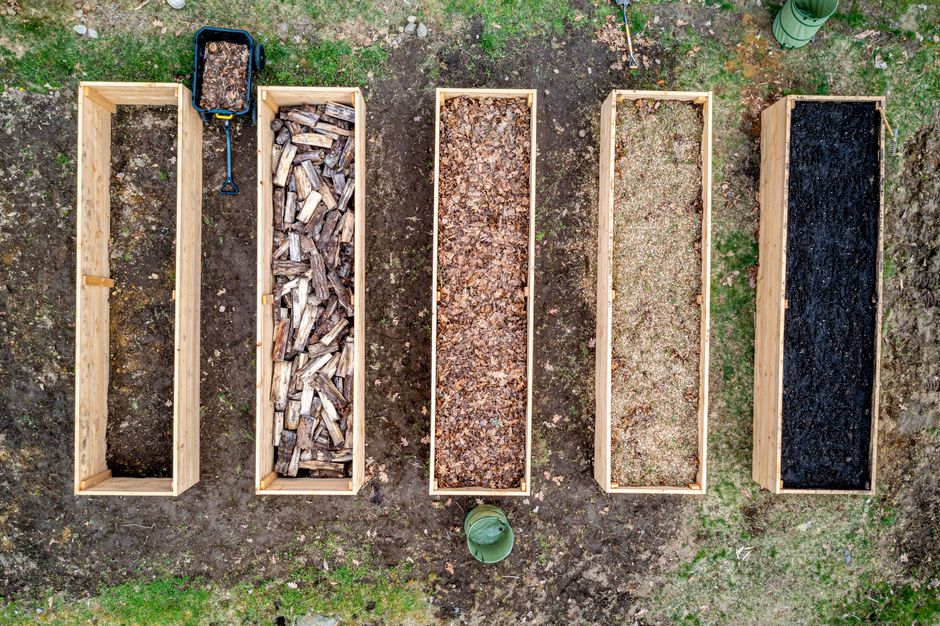
You can cut costs significantly by building your own frame from untreated construction lumber (accepting a shorter lifespan), sourcing free compost from municipal programs, or using the “lasagna” method to fill the lower half of a deep bed with logs, branches, and leaves before topping with soil.
The Real ROI of Growing Your Own Food
A well-managed 4×8 bed can produce $300–$600 worth of vegetables per year at Tier-1 grocery prices—more if you grow high-value crops like heirloom tomatoes, salad greens, fresh herbs, and berries that are expensive to buy. That means most beds pay for themselves within the first or second season, then keep returning value for a decade or more with only minor annual soil top-ups.
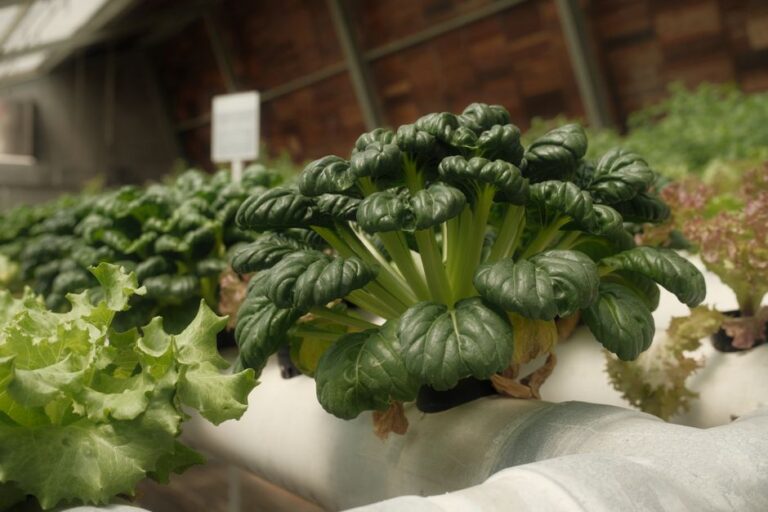
To maximize return, prioritize crops with the best price-per-square-foot. Leafy greens, herbs, cherry tomatoes, and climbing beans deliver far more value than sprawling, cheap-to-buy crops like potatoes or pumpkins. Succession planting—replacing a harvested crop immediately with another—can double a single bed’s annual output.
Beyond dollars, you gain fresher and more nutritious produce, fewer trips to the store, and complete control over pesticides and chemicals. For families, the educational and wellness value of growing food together is difficult to put a price on.
Best Materials Compared
Wood
Cedar and redwood resist rot naturally thanks to their oils and last 10–20 years while looking beautiful. Pine is cheaper but shorter-lived unless treated; untreated softwood may only last 3–5 years before it needs replacing. Douglas fir sits in the middle. Wood is easy to work with hand tools, making it the top DIY choice.
Metal
Galvanized steel beds are increasingly popular for their sleek modern look and 20-plus-year lifespan. They assemble quickly and never rot. In very hot climates, metal edges can heat the soil, so water consistently and consider a slightly larger bed so the core stays cool.
Composite and Stone
Recycled composite never rots and needs no sealing, though it costs more upfront. Stone, brick, or concrete-block beds are permanent and stunning but require more labor and materials—best for gardeners who want a lasting architectural feature.
How to Build a Raised Bed Step by Step
- Step 1 – Choose a sunny spot: Most vegetables need 6–8 hours of direct sun; observe your yard across a day before committing.
- Step 2 – Level the ground: Remove sod, rake the area flat, and check with a level so the bed sits evenly.
- Step 3 – Assemble the frame: Screw corners together securely; add corner posts and mid-span braces for stability on longer or taller beds.
- Step 4 – Line the bottom: Lay cardboard to smother grass and weeds, or add hardware cloth underneath to block gophers and moles.
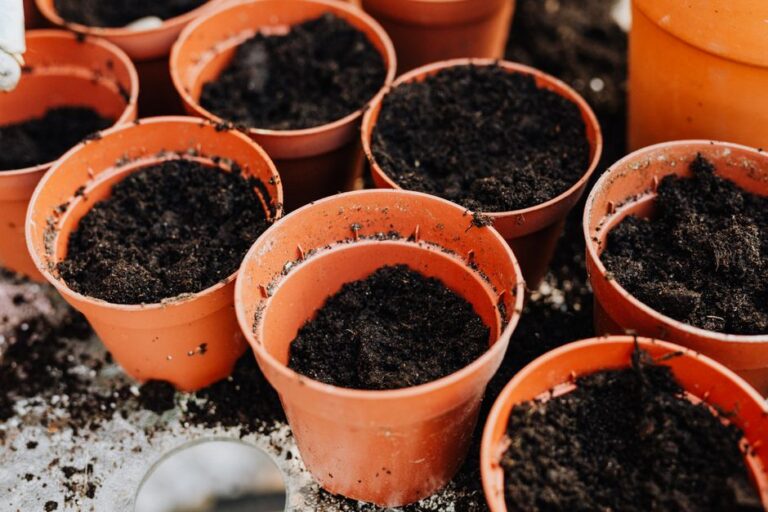
- Step 5 – Fill with a soil blend: A mix of 60% quality topsoil, 30% compost, and 10% aeration (perlite or coarse sand) works well for most crops.
- Step 6 – Water and plant: Soak the bed thoroughly, let it settle for a day, top up any low spots, then plant and mulch.
Choosing and Maintaining the Right Soil
Soil is where most beginners under-invest, and it is the single biggest factor in your results. A rich, living mix delivers the yields that make a raised bed worthwhile. Aim for loose, well-draining soil packed with organic matter. Many gardeners use a variation of “Mel’s Mix”—one-third compost, one-third peat or coco coir, and one-third coarse vermiculite—for square-foot gardening.
Because raised beds are contained, nutrients deplete over time. Refresh with a few inches of compost every spring, mulch the surface to retain moisture and suppress weeds, and rotate crop families each year to reduce pest and disease build-up. For wood beds, an optional food-safe sealer extends their life, and installing drip irrigation on a timer saves both water and time while keeping plants evenly hydrated.
Common Mistakes to Avoid
Beginners often build beds too wide to reach the center—keep beds a maximum of 4 feet (1.2m) wide so you can comfortably reach in from both sides without stepping on and compacting the soil. Others skimp on soil depth; 10–12 inches is ideal for most vegetables, while root crops like carrots and parsnips appreciate 18 inches. Placing beds in shade, on poorly draining spots, or too far from a water source are other frequent regrets. Finally, do not overcrowd plants—follow spacing guidelines so airflow stays good and disease pressure stays low.
Conclusion
Raised garden beds combine strong financial returns with healthier, tastier food and a more enjoyable, comfortable gardening experience. With an upfront cost of $200–$450 and payback often inside a single season, they are among the smartest upgrades a Tier-1 homeowner can make. Pick a sunny spot, invest in quality soil, choose a material that fits your budget and style, and you will be harvesting your own fresh produce sooner than you think—year after productive year.