Seed Starting Indoors: Save Money and Grow More From Seed
Seed starting indoors is an important topic for homeowners, and this guide covers it in detail. Starting plants from seed is one of the most satisfying and cost-effective skills a gardener can master. A single packet of seeds costs less than one nursery transplant yet can produce dozens of plants, and you gain access to unusual and heirloom varieties you will never find at a garden center. This guide walks you through starting seeds indoors successfully—from equipment and timing to hardening off and transplanting your healthy young plants outdoors.
Once you learn to raise your own seedlings, every future season becomes cheaper and more abundant, and you gain full control over exactly what grows in your garden.
Why Start Seeds Indoors?
Starting seeds indoors gives you a valuable head start on the season, letting warm-weather crops like tomatoes and peppers mature earlier and produce more before frost returns. It is also dramatically cheaper: a $3 (£2.50) seed packet can yield 20–50 plants, versus $3–$6 (£2.50–£5) each for nursery transplants. Best of all, you can grow rare, flavorful, and heirloom varieties that stores never stock, giving your garden character and diversity.
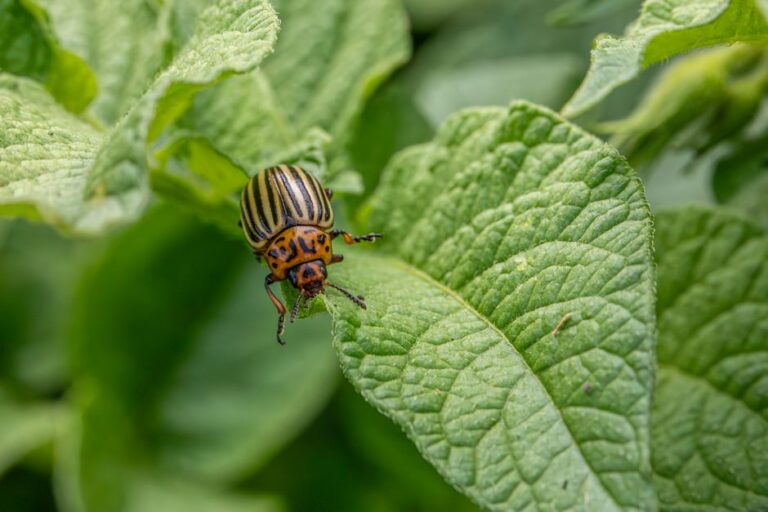
There is also a real quality advantage. Home-grown seedlings avoid the transplant shock, root-bound pots, and hidden pests that sometimes come with store-bought plants, and you know exactly how they were raised. For gardeners who want to grow organically or preserve unusual heritage varieties, seed starting is the only reliable route. And there is genuine satisfaction in nurturing a plant from a tiny seed all the way to harvest—few gardening skills are as rewarding to master.
Equipment You Need
- Seed trays or cells: Reusable trays with drainage holes.
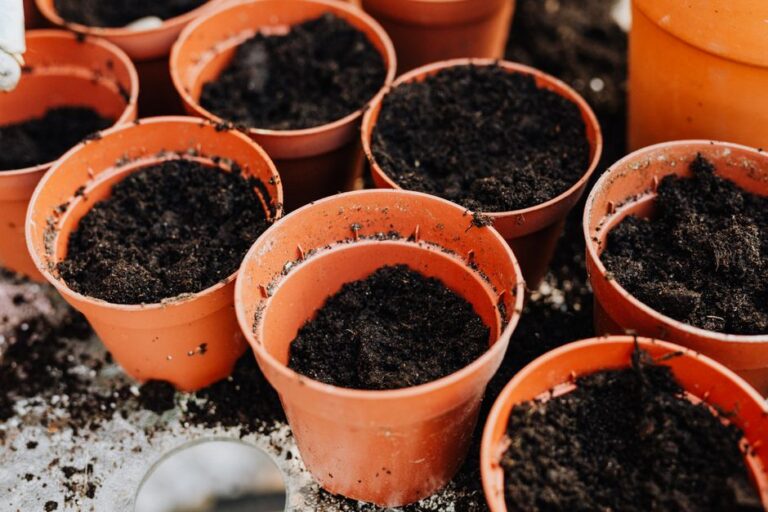
- Seed-starting mix: A light, sterile, fine-textured medium—never garden soil.
- Grow lights: Inexpensive LED shop lights prevent weak, leggy seedlings.
- Humidity dome: Traps moisture to speed germination.
- Heat mat (optional): Warms the soil to germinate heat-loving crops faster.
- Labels: Essential for tracking what you planted and when.
A basic setup costs $50–$150 (£40–£120) and lasts for many seasons, quickly paying for itself in transplants you no longer need to buy.
Choosing What and When to Start
Timing is everything in seed starting. Count backward from your local last-frost date using the days-to-transplant information on each seed packet. Tomatoes, peppers, and eggplant typically start 6–8 weeks before the last frost, while faster crops like squash and cucumbers need only 2–4 weeks. Slow growers such as onions, leeks, and some herbs start earlier still. Starting too early leads to overgrown, root-bound seedlings, so resist the temptation to jump the gun.
Sowing Seeds Correctly
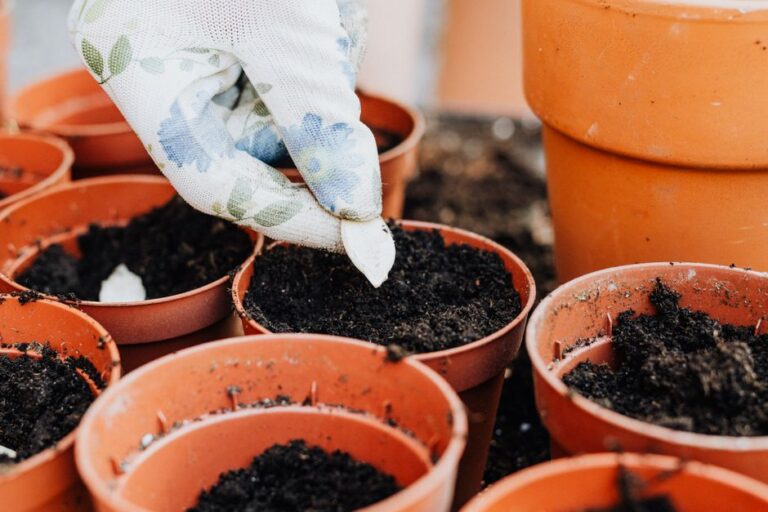
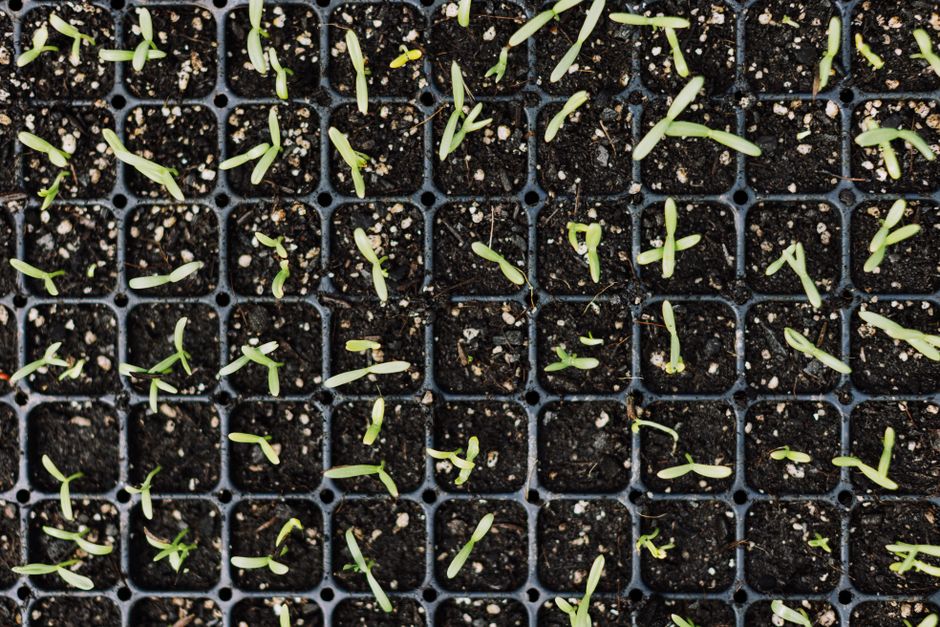
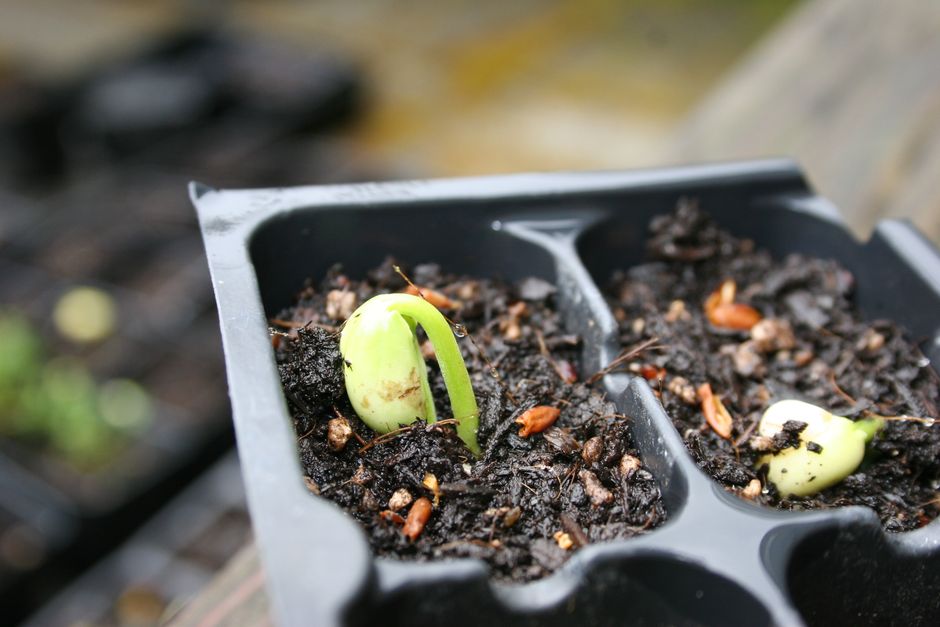
Moisten your seed-starting mix until it is evenly damp, fill your cells, and sow seeds at the depth listed on the packet—usually two to three times the seed’s diameter. Very tiny seeds are barely covered or simply pressed onto the surface. Firm the mix gently, mist the top, cover with a humidity dome, and place the tray somewhere warm. Consistent moisture and warmth are the two keys to strong, even germination.
Light and Temperature
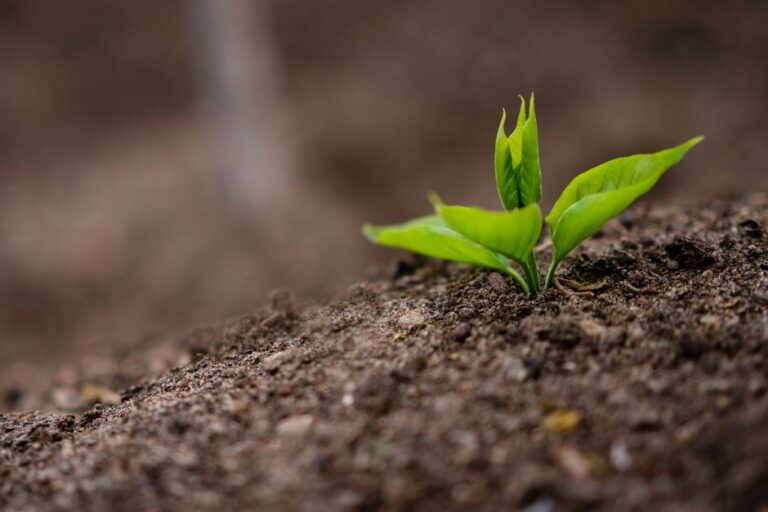
Once seeds sprout, remove the dome and give the seedlings plenty of light immediately. A sunny windowsill is rarely enough—seedlings stretch and flop toward weak, one-directional light and become spindly. Position grow lights just 2–3 inches above the seedlings and run them 14–16 hours a day, raising the lights as the plants grow. Keep temperatures in the range each crop prefers, generally 18–24°C for most vegetables.
A small fan set to a gentle breeze for a few hours a day strengthens stems and reduces fungal disease by keeping the surface dry and air moving—it mimics the outdoor conditions seedlings will eventually face. Cool-season crops such as lettuce, brassicas, and onions germinate happily at lower temperatures, while heat-lovers like peppers, tomatoes, and basil sprout much faster on a heat mat that warms the soil to around 24–27°C. Once the seedlings are up and growing, you can remove the heat mat and let normal room temperature take over.
Watering and Feeding Seedlings
Keep the mix consistently moist but never soggy—water from the bottom by setting trays briefly in shallow water, which avoids disturbing seeds and reduces the risk of disease. Once seedlings develop their first true leaves (the second set to appear), begin feeding weekly with a diluted liquid fertilizer at quarter to half strength, since seed-starting mix contains little to no nutrition of its own.
Thinning, Potting Up, and Hardening Off
If several seedlings crowd a single cell, snip out the weaker ones at soil level so the strongest can thrive without competition. When seedlings outgrow their cells and roots begin filling the space, pot them up into larger containers to keep them growing vigorously until planting time.
Before they go outside, indoor-raised seedlings must adjust to real-world conditions gradually—a process called hardening off. Over 7–10 days, set the plants outdoors for steadily increasing periods, starting with an hour in shade and building up to full sun and wind exposure. Skipping this step shocks tender plants and can undo weeks of careful work in a single afternoon.
Common Seed-Starting Mistakes
- Starting too early: Produces overgrown, root-bound seedlings before it is warm enough to plant out.
- Too little light: Leads to weak, pale, leggy plants that struggle to recover.
- Overwatering: Causes damping-off, a fungal disease that topples seedlings overnight.
- Skipping hardening off: Exposes tender plants to sun and wind damage.
- Poor labeling: Leaves you guessing what is what weeks later.
Conclusion
Seed starting rewards you with more plants, more variety, and big savings—all from inexpensive packets. With a simple light setup, quality seed-starting mix, and attention to timing, light, water, and hardening off, you can raise healthy, robust transplants at a tiny fraction of store prices. Master this foundational skill and every future gardening season becomes easier, cheaper, and more abundant.