Vegetable Gardening for Beginners: A Complete First-Year Guide
Vegetable gardening beginners is an important topic for homeowners, and this guide covers it in detail. Starting your first vegetable garden is one of the most rewarding projects a homeowner can take on. It saves money at the grocery store, puts fresher and healthier food on your table, and gives you a genuine sense of accomplishment every time you harvest something you grew yourself. Yet many beginners feel overwhelmed by soil, spacing, watering, and pests. This complete first-year guide removes the guesswork so you can plant with confidence and enjoy a productive, satisfying harvest.
You do not need a big yard, expensive equipment, or years of experience—just a sunny spot, decent soil, and a willingness to learn as you grow. Follow the steps below and you will avoid the mistakes that discourage most first-timers.
Why Grow Your Own Vegetables?
Homegrown vegetables are picked at peak ripeness, meaning far more flavor and nutrition than produce that traveled days across the country to reach a store shelf. A modest garden can offset $300–$700 (£240–£560) a year in grocery costs, and crops like tomatoes, salad greens, and herbs offer the best return per square foot. Gardening is also excellent low-impact exercise, a proven stress reliever, and a wonderful way to teach children where food comes from.
There is also the satisfaction factor. Few things beat walking outside to gather ingredients for dinner, knowing exactly how they were grown and that no unwanted chemicals touched them.
Choosing the Right Location and Layout
Sunlight is the single most important factor. Most vegetables need 6–8 hours of direct sun daily. Watch your yard through a full day and pick the brightest spot. Ensure it drains well—avoid low areas where water pools after rain. Proximity to a water source and your kitchen makes daily care far easier and means you actually use what you grow.
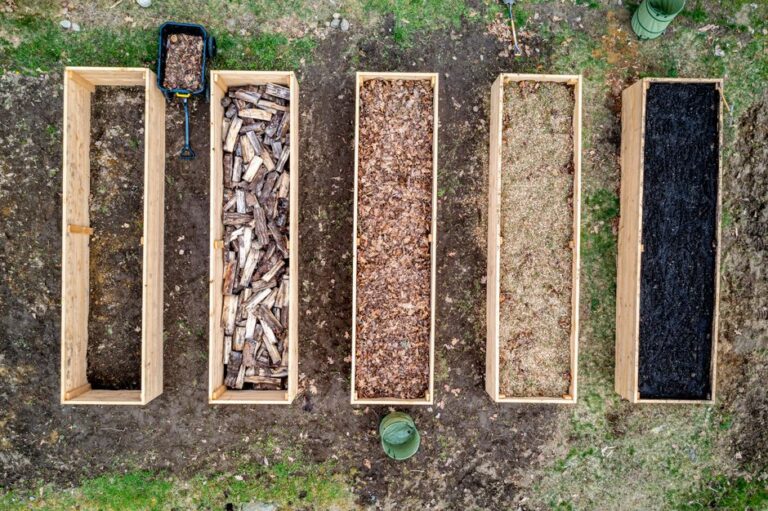
For layout, beginners do best with a few defined beds or raised beds no wider than 4 feet, so you can reach the center without stepping on the soil. Leave paths wide enough to kneel and carry a harvest basket. Starting small—one or two beds—lets you succeed and build confidence before expanding.
Easy Vegetables for Your First Year
Start with forgiving, high-yield crops that reward beginners rather than testing their patience:
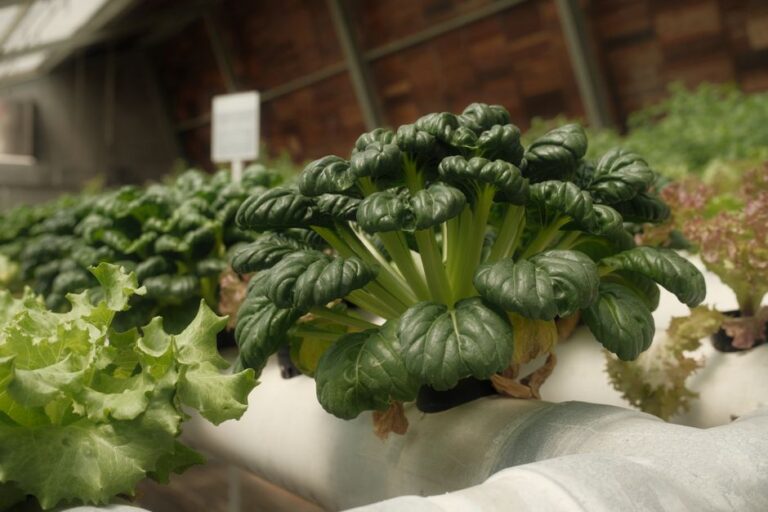
- Lettuce and salad greens: Fast, cool-season, and “cut-and-come-again” for repeat harvests.
- Zucchini and summer squash: Almost absurdly productive from just a plant or two.
- Bush beans: Easy, no trellis needed, and they fix their own nitrogen in the soil.
- Radishes: Ready in as little as 25 days—perfect for impatient gardeners and kids.
- Tomatoes: The classic reward; grow a cherry variety for the most reliable results.
- Herbs: Basil, parsley, and chives thrive in beds or pots and are expensive to buy.
Avoid trickier crops like cauliflower, celery, and melons in your first year—master the easy wins first.
Preparing Your Soil
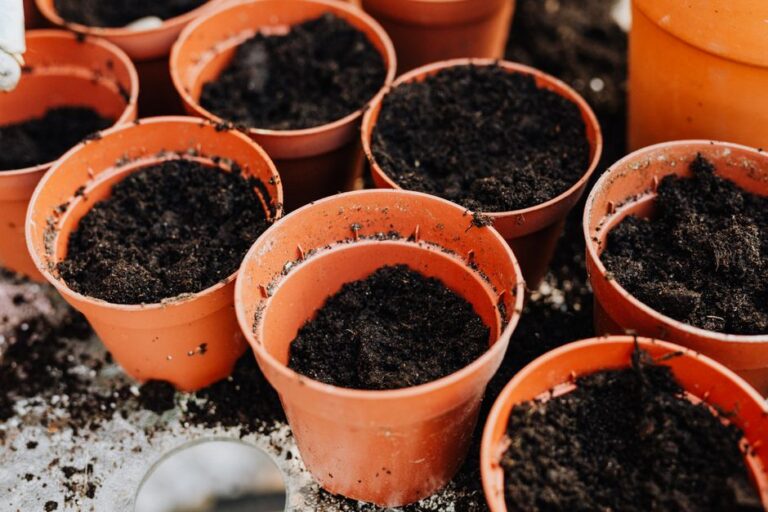
Healthy soil is the foundation of every good garden. Test your soil’s pH with an inexpensive kit—most vegetables prefer a range of 6.0 to 7.0. Work in 2–4 inches of compost to improve structure, drainage, and fertility, whatever your soil type. If your native soil is heavy clay or pure sand, consider a raised bed filled with a quality soil blend, which gives beginners a much easier and more reliable start.
Loosen the top 8–12 inches of soil, remove rocks and roots, and rake it level. Avoid working soil when it is soggy, as this compacts it and destroys the structure your plants need.
Planting: Seeds, Transplants, and Watering
Some crops grow best direct-sown from seed (beans, carrots, radishes, lettuce), while others benefit from starting indoors or buying transplants (tomatoes, peppers, eggplant). For your first year, mixing store-bought transplants with a few easy direct-sown seeds keeps things simple and boosts your chances of success. Always check your local last-frost date before planting warm-season crops outdoors.
Once planted, consistent moisture matters more than frequency. Aim for about 1 inch (2.5cm) of water per week, delivered deeply so roots grow downward and become drought-resilient. Water in the morning to reduce disease and evaporation. Drip irrigation or a soaker hose on a timer is the most efficient method and keeps foliage dry, reducing fungal problems considerably.
Feeding, Mulching, and Weed Control
Vegetables are hungry plants. Mix a balanced organic fertilizer into the soil at planting, then side-dress heavy feeders like tomatoes and squash mid-season. Compost tea and worm castings gently boost growth without the risk of chemical burn. Avoid over-fertilizing with nitrogen, which produces lush leaves but disappointingly few fruits.
A 2–3 inch layer of mulch—straw, shredded leaves, or bark—suppresses weeds, conserves moisture, and moderates soil temperature. This single step can cut your watering and weeding time in half. Pull any weeds that do appear while they are small, before they compete with your crops or set seed.
Managing Pests the Easy Way
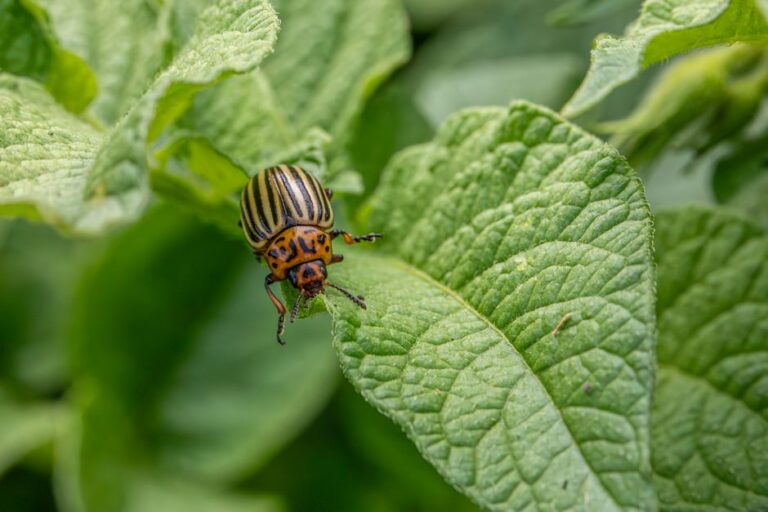
Inspect plants regularly and remove pests by hand or with a strong spray of water. Encourage beneficial insects like ladybugs and lacewings by planting a few flowers nearby, and reach for insecticidal soap or neem oil only when problems escalate. Lightweight row covers protect young plants from many pests entirely and are a beginner’s best friend against cabbage moths and beetles. Healthy, well-fed plants naturally resist pests far better than stressed ones, so good basic care is your best defense.
Harvesting and a Simple Timeline
Harvest often—it actually encourages plants to keep producing. Pick beans, zucchini, and cucumbers young and tender; cut leafy greens from the outside so the center keeps growing; and let tomatoes ripen fully on the vine for the best flavor. Frequent picking is the secret to a garden that produces all season long.
- Late winter: Plan your layout and order seeds.
- Early spring: Build beds, amend soil, and plant cool-season crops like lettuce and peas.
- Late spring: After the last frost, plant tomatoes, peppers, beans, and squash.
- Summer: Water, feed, mulch, and harvest regularly.
- Fall: Plant a second round of greens and add compost to prepare for next year.
Conclusion
Vegetable gardening rewards patience and consistency far more than perfection. Start small with a handful of easy crops, give them plenty of sun, good soil, and steady water, and you will be surprised how quickly your confidence—and your harvest—grows. Every season teaches you something new, and by year two you will be planning a bigger, better, and even more productive garden.