Perennial Flowers: Plant Once, Bloom for Years (Best Picks & Care)
Perennial flowers are the smartest investment in any garden: plant them once and enjoy their blooms for years, even decades. Unlike annuals that must be replanted every spring, perennials return reliably season after season, saving money and effort while filling your beds with dependable color. This guide covers the best perennials for Tier-1 gardens, how to design with them, and how to keep them thriving for the long haul.
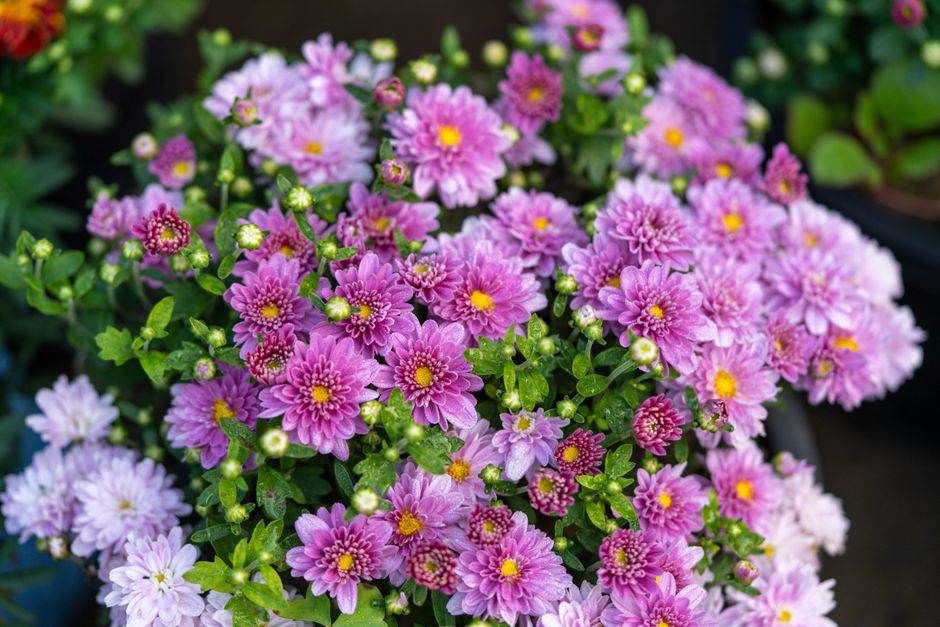
Building a garden around perennials means less work and less spending each year, with the reward of plants that grow fuller and more beautiful as they mature.
Why Choose Perennials?
The appeal is longevity and value. A single perennial costing $8–$20 (£6–£16) can bloom for many years and often multiplies, letting you divide and spread it for free. Perennials also develop deeper root systems than annuals, making them more drought-resistant and lower maintenance once established. They form the reliable backbone of a lasting, sustainable garden, providing structure that annuals simply cannot.
Perennials vs. Annuals
Annuals like petunias and marigolds bloom hard for a single season and then die, offering instant, intense color but demanding yearly replanting and expense. Perennials invest their first year mostly in building roots, then return stronger and larger each spring. Many experienced gardeners deliberately combine both—perennials for structure, longevity, and value, with a few annuals tucked in for seasonal pops of vivid color where they want extra impact.
Best Perennial Flowers for Reliable Color
- Coneflower (Echinacea): Tough, drought-tolerant, and adored by pollinators.
- Black-eyed Susan (Rudbeckia): Golden blooms from mid-summer well into fall.
- Daylily: Nearly foolproof and available in a rainbow of colors.
- Salvia: Long-blooming spikes that attract bees and hummingbirds all season.
- Peony: Lush, fragrant spring blooms on plants that live for generations.
- Coreopsis: Cheerful, exceptionally long-flowering, and low-maintenance.
- Hosta: Handsome shade-loving foliage for tricky low-light spots.
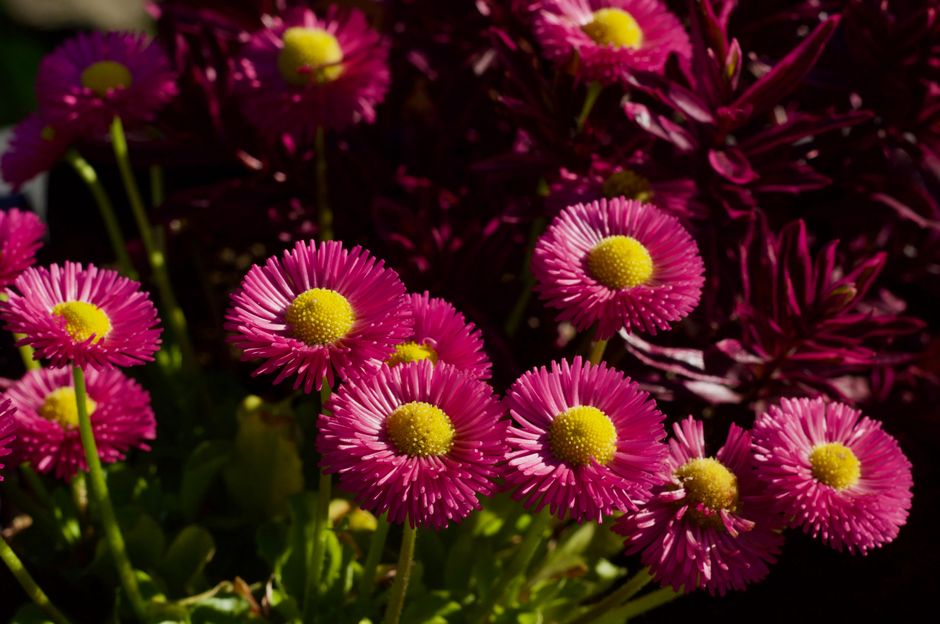
- Sedum and asters: Reliable late-season color when most plants fade.
Planning for Continuous Bloom
The secret to a garden that never looks bare is layering bloom times across the season. Combine spring bloomers such as peony and iris, summer stars like coneflower, daylily, and salvia, and fall performers including sedum and asters. By staggering flowering periods thoughtfully, you enjoy continuous color from early spring through the first hard frost, with something always coming into bloom as another finishes.
Designing a Perennial Border
- Height: Place tall plants at the back, medium in the middle, and low growers at the front.
- Repetition: Repeat colors and shapes through the bed for a cohesive, professional look.
- Clumps: Plant in odd-numbered groups of three or five rather than lonely singles.
- Foliage: Mix leaf textures and colors to keep the border interesting between bloom cycles.
Leave room for plants to reach their mature size—perennials look sparse the first year but fill in dramatically by year two or three.
Planting and Seasonal Care
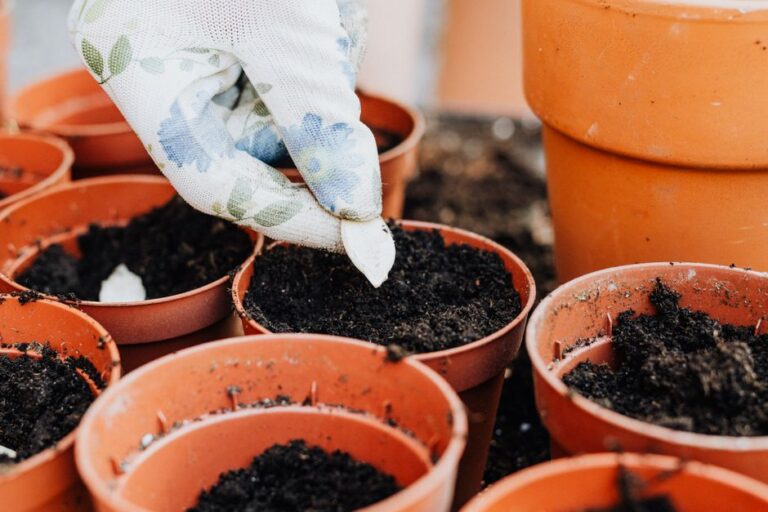
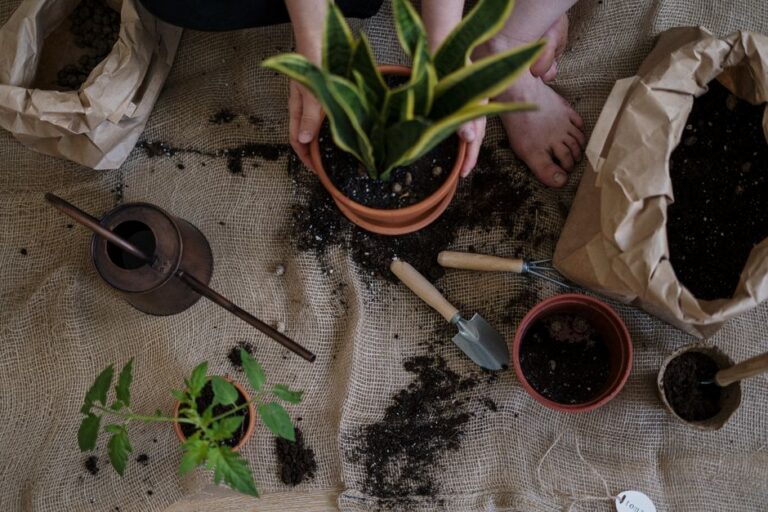
Plant perennials in spring or fall when temperatures are mild and stress is low. Dig a hole twice as wide as the root ball, gently loosen the roots, set the plant at the same depth it grew in the pot, backfill, and water deeply. Space according to the mature size on the label, since overcrowding invites disease.
Through the year, care is simple: in spring, cut back dead growth, add compost, and mulch; in summer, water during dry spells and deadhead spent blooms to prolong flowering; in fall, divide overgrown clumps and plant new perennials; and in winter, leave some seed heads standing for birds and winter interest before tidying in spring.
Dividing and Attracting Pollinators
Every few years, many perennials benefit from division—digging up the clump and splitting it into pieces. This rejuvenates aging plants that flower less in the center and gives you free new plants to spread around the garden or share with friends. Divide spring bloomers in fall and fall bloomers in spring for the best results.
Perennials like coneflower, salvia, and bee balm are magnets for bees, butterflies, and hummingbirds. Planting a variety of pollinator-friendly perennials supports local ecosystems and boosts the productivity of any nearby vegetable garden through better pollination. Avoid using pesticides on flowering plants to keep these vital visitors safe.
Perennials for Shade and Difficult Spots
Not every garden bathes in full sun, and many of the most beautiful perennials actually prefer shade or tolerate tricky conditions. For shady borders under trees or on the north side of a house, hostas offer bold foliage in greens, blues, and variegated patterns, while astilbe adds feathery plumes of pink, red, and white. Heuchera (coral bells) brings year-round color in shades of burgundy, lime, and caramel, and ferns provide lush texture in the dampest corners.
For other challenges, there is almost always a perennial solution. Daylilies and sedum shrug off poor, dry soil; hellebores bloom in late winter shade when little else stirs; and tough natives handle exposed, windy sites. Rather than fighting your conditions, choose perennials adapted to them—the plants will thrive with less effort and the garden will look far more natural. Matching the right perennial to each spot is the real secret to a low-maintenance, beautiful garden in every corner.
Conclusion
Perennial flowers deliver years of beauty for a one-time investment, making them one of the most cost-effective and rewarding choices in all of gardening. Choose a mix of spring, summer, and fall bloomers, design in layered clumps, and care for them lightly through the seasons. Plant them once, divide them for free, and enjoy a garden that grows more beautiful and more valuable every single year.