Container Gardening: Grow Food and Flowers in Any Small Space
No yard? No problem. Container gardening lets you grow vegetables, herbs, and flowers on patios, balconies, decks, and windowsills. It is flexible, beginner-friendly, and perfect for renters and small-space dwellers across the US, UK, Canada, and Australia. This guide covers everything you need to grow a thriving container garden, from choosing the right pots to keeping your plants healthy and productive all season long.
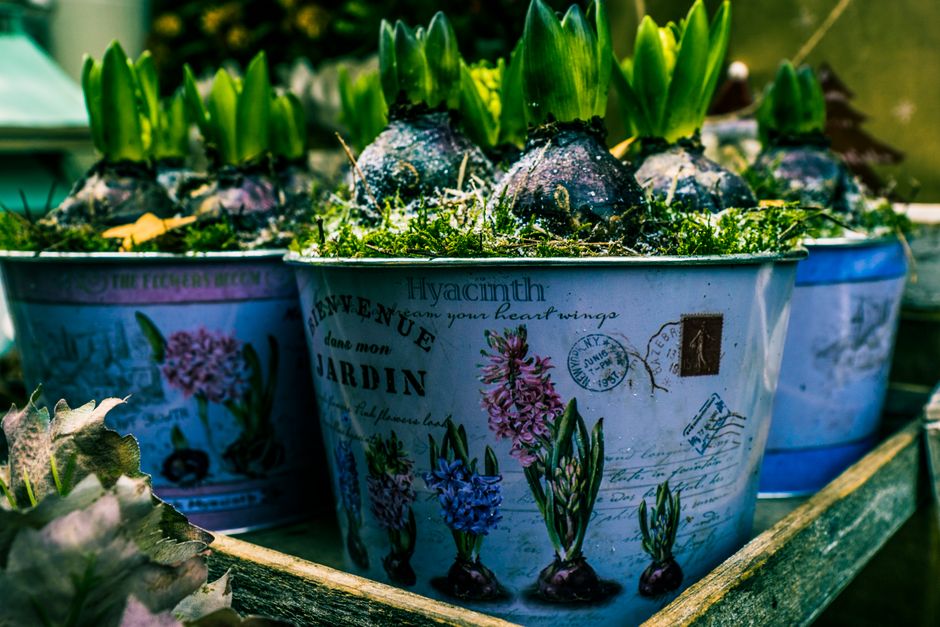
With containers you can garden anywhere the sun reaches, sidestep poor native soil entirely, and rearrange your display whenever you like—making it one of the most accessible ways to start growing your own food.
Why Container Gardening Works
Containers give you total control over soil, sunlight, and water. You can move pots to chase the sun or shelter them from a storm, avoid poor or contaminated native soil, and garden anywhere you have a bright spot—even a fire escape or windowsill. Containers also reduce weeds and many soil-borne pests, making them one of the easiest and most forgiving ways to start growing food and flowers.
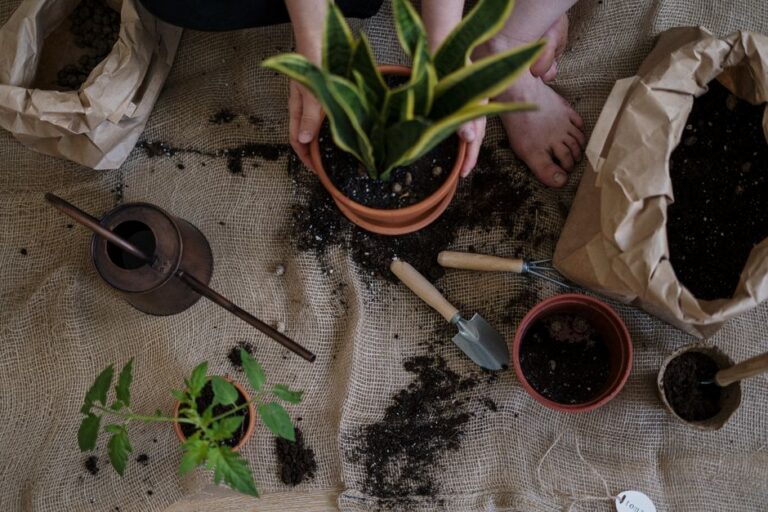
Choosing the Right Containers and Size
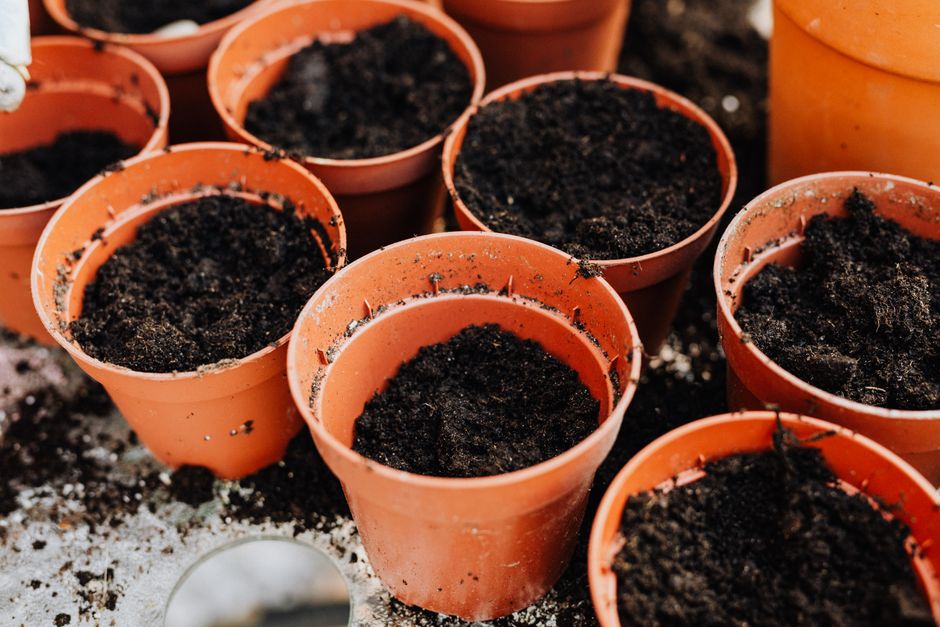
- Terracotta: Classic and breathable but dries out fast and can crack in frost.
- Plastic and resin: Lightweight, affordable, and good at retaining moisture.
- Fabric grow bags: Excellent drainage and air-pruning of roots; great for potatoes and tomatoes.
- Glazed ceramic: Attractive and moisture-holding, though heavier to move.
- Wood planters: Naturally insulating and stylish for larger displays.
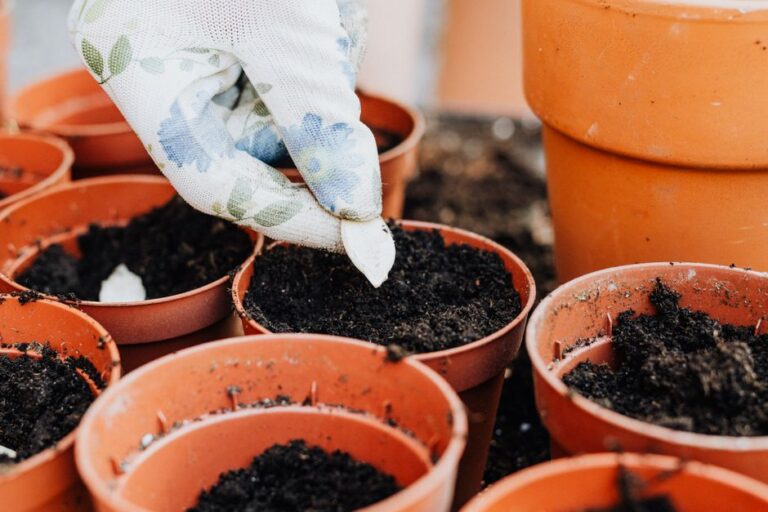
Whatever you choose, drainage holes are non-negotiable—roots sitting in water quickly rot. Size matters too: herbs and lettuce are happy in 6–10 inch pots, but tomatoes, peppers, and squash need 5 gallons (about 20 litres) or more. When in doubt, size up, because larger containers hold moisture longer and give roots room to thrive.
The Best Soil for Containers
Never use garden soil in pots—it compacts, drains poorly, and can carry pests and disease. Use a quality potting mix designed specifically for containers, which stays light, airy, and fast-draining. Enrich it with compost and a slow-release fertilizer at planting time. A bag of good potting mix costs $8–$20 (£6–£16) and makes an enormous difference to plant health and yields. Refresh or replace the top few inches of mix each season to keep it productive.
Best Plants for Containers
- Herbs: Basil, mint, parsley, thyme, and chives all flourish in pots.
- Salad greens: Lettuce, spinach, and arugula for continuous cut-and-come-again harvests.
- Tomatoes: Choose compact, bush, or determinate varieties bred for containers.
- Peppers and chilies: They love the extra warmth pots provide.
- Strawberries: Perfect for hanging baskets and stacked planters.
- Flowers: Petunias, geraniums, and marigolds for reliable, cheerful color.
Watering Container Plants
Containers dry out much faster than garden beds, especially in summer heat and wind. Check daily and water when the top inch of soil feels dry—often once a day in hot weather, sometimes twice for small pots. Water thoroughly until it drains from the bottom so the entire root ball is moistened. Self-watering containers and drip systems on timers make consistent watering effortless and prevent the moisture stress that stunts container plants and causes problems like blossom-end rot in tomatoes.
Feeding for Healthy Growth
Because frequent watering steadily flushes nutrients out of pots, container plants need more regular feeding than those in the ground. Mix a slow-release fertilizer into the soil at planting, then supplement with a diluted liquid feed every one to two weeks during the growing season. Vegetables, strawberries, and heavy-blooming flowers especially benefit from this consistent nutrition, rewarding you with fuller growth and bigger harvests.
Maximizing Small Spaces and Season Care
Go vertical to multiply your growing area: use tiered plant stands, railing planters, hanging baskets, and wall-mounted pockets. Group containers of varying heights for a lush, layered look, and place trailing plants where they can spill attractively over edges. Even a small balcony can produce a surprising amount of food with clever arrangement.
In colder Tier-1 climates, move tender potted plants indoors or into a sheltered spot before the first frost. Cluster pots together and wrap or insulate them to protect roots, since plants in containers are far more vulnerable to cold than those in the ground. This extra winter care keeps perennials and tender plants alive to grow again next year.
Common Container Gardening Problems
Even easy container gardens hit occasional snags, but most are simple to fix once you know the cause. Wilting despite moist soil usually signals root rot from poor drainage—always confirm your pots have open drainage holes and never let them sit in a saucer of water. Yellowing lower leaves often mean the plant has used up available nutrients and needs feeding, since watering steadily washes them out of the mix.
Plants that dry out within hours may simply have outgrown their pot and need moving up a size, or the mix may have become hydrophobic—soak the whole pot in a tub of water to rehydrate it fully. Blossom-end rot on tomatoes and peppers points to inconsistent watering, so aim for steady moisture. Leggy, pale growth means too little light; relocate the container to a brighter spot. Finally, watch for pests like aphids and vine weevils, which spread easily between crowded pots—inspect regularly and treat early. Address these small issues promptly and your container garden will stay productive all season.
Conclusion
Container gardening opens the door to growing fresh food and flowers no matter how little space you have. Choose the right-sized pots with good drainage, use a quality potting mix, water and feed consistently, and pick plants suited to container life. With a sunny spot and a few well-tended pots, you can enjoy a productive, beautiful garden on any patio, balcony, or windowsill—proof that you do not need a yard to be a successful gardener.