Garden Irrigation Systems: Costs, Types, and How to Choose
Garden irrigation systems is an important topic for homeowners, and this guide covers it in detail. Watering by hand is time-consuming, inconsistent, and often wasteful. A good garden irrigation system delivers the right amount of water to the right place at the right time—saving you hours, cutting your water bill, and growing noticeably healthier plants. This guide compares the main irrigation systems, their real costs, and how to choose, design, and install the best option for your garden and budget.
Whether you want to keep a few raised beds thriving or automate an entire yard, there is an irrigation solution to match. The payoff is less stress, less waste, and plants that never suffer the feast-or-famine watering that stunts growth.
Why Install an Irrigation System?
Consistent watering is one of the biggest factors in plant health, yet it is easy to overwater, underwater, or forget entirely—especially during vacations or busy weeks. Automated irrigation removes the guesswork, waters efficiently while you are away, and can reduce water use by 30–50% compared with sprinklers or hand watering. As Tier-1 water rates keep rising, that efficiency translates directly into lower bills alongside better results.
Types of Irrigation Systems
Drip Irrigation
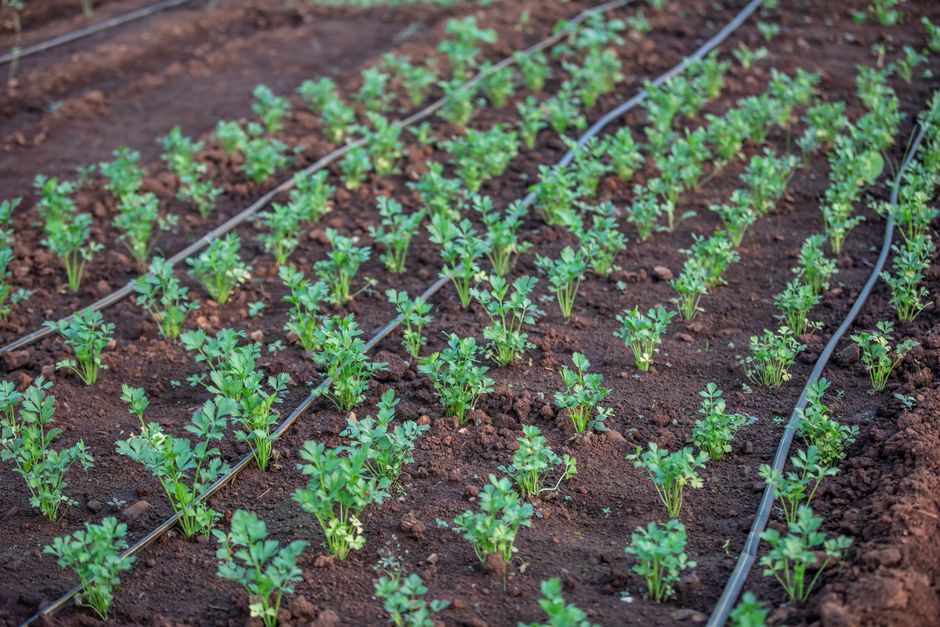
The most efficient method, delivering water slowly and directly to the root zone through emitters. It minimizes evaporation and runoff and keeps foliage dry, which reduces fungal disease. Ideal for vegetable beds, borders, and containers.
Soaker Hoses
Porous hoses that seep water gently along their entire length. Cheap and simple, they are great for rows and beds, though a little less precise than drip emitters.
Sprinkler Systems
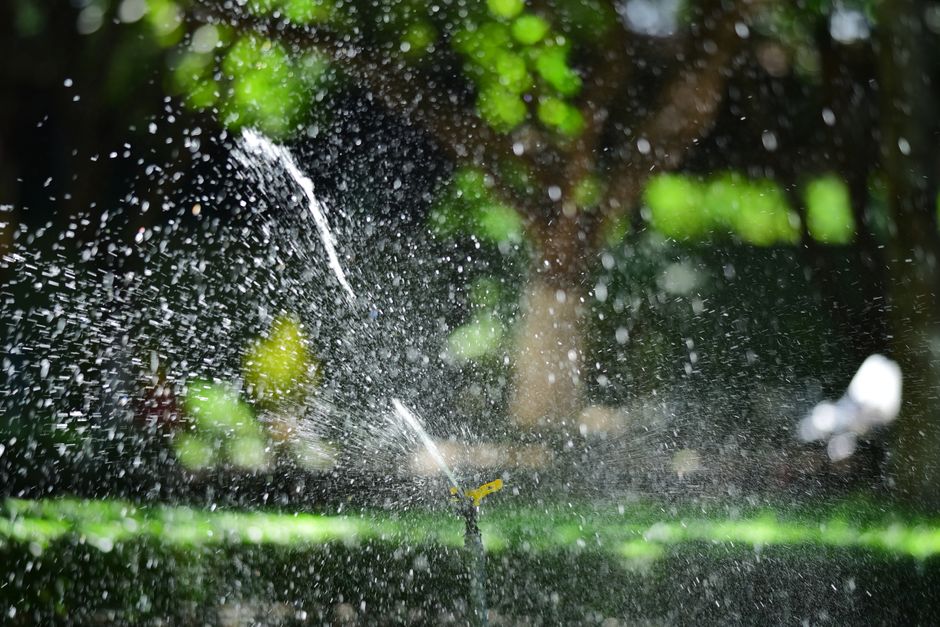
Best for lawns and large open areas. Pop-up and oscillating sprinklers cover broad zones quickly but lose more water to evaporation and wind.
Micro-Sprayers and Misters
Deliver a fine spray over a small area—useful for densely planted beds, seedlings, and greenhouses.
What Does Irrigation Cost?
- DIY drip kit: $40–$150 (£32–£120) for a small to mid-size garden.
- Soaker hose: $20–$60 (£16–£48) per garden bed.
- Timer or controller: $25–$120 (£20–£95); smart Wi-Fi models cost more but save more water.
- Professional in-ground system: $2,500–$6,000 and up (£2,000–£4,800+) for a full-yard installation.
Most homeowners start with an affordable DIY drip kit and a simple timer, which pays for itself quickly through water savings, time saved, and healthier, more productive plants.
The Role of Timers and Smart Controllers
A timer is what turns irrigation from merely helpful to genuinely effortless. Basic mechanical timers water on a fixed schedule you set, while smart controllers adjust automatically based on weather forecasts and soil moisture—skipping cycles when it rains and watering more during heat waves. Smart systems cut water waste even further and are increasingly popular in drought-prone Tier-1 regions, where they can qualify for utility rebates.
Designing Your System
- Map your garden: Note beds, containers, and lawn areas separately.
- Group by water need: Zone thirsty and drought-tolerant plants apart so each gets the right amount.
- Choose the method per zone: Drip for beds and borders, sprinklers for the lawn.
- Check water pressure and flow: Make sure your supply can run everything you plan.
Installing a Drip System Step by Step
- Step 1: Connect a timer, pressure regulator, and filter to your outdoor tap.
- Step 2: Run the main supply tubing out to your garden beds.
- Step 3: Punch in emitters or attach drip lines near each plant’s roots.
- Step 4: Flush the lines to clear debris, then cap the ends.
- Step 5: Set the timer and test each zone for even, adequate coverage.
Most DIY drip kits use push-fit connections and require no special tools, making a weekend installation entirely achievable for beginners.
Watering Efficiently and Maintenance
Water early in the morning to minimize evaporation and reduce disease. Water deeply and less often to encourage deep, drought-resilient roots rather than shallow, frequent sprinkling. Mulch over drip lines to lock in moisture, and adjust run times seasonally—plants need far less water in spring and fall than at the height of summer.
Keep the system reliable with a little routine care: flush lines periodically to clear sediment, check for clogged emitters and leaks each season, clean or replace filters regularly, and drain and store the system before winter in climates that freeze. These simple habits keep your irrigation working efficiently for many years.
Rainwater Harvesting and Water-Saving Tips
Pairing your irrigation system with rainwater harvesting cuts costs even further and shields you from drought restrictions. A single rain barrel connected to a downspout captures dozens of gallons from one modest storm, and larger tanks store hundreds. Rainwater is naturally soft and free of chlorine, which many plants actually prefer. A basic barrel costs $60–$150 (£48–£120), and gravity or a small pump feeds it into drip lines.
Combine harvested water with smart habits for maximum savings: mulch heavily to slow evaporation, group plants by water need, fix leaks promptly, and water deeply but less often to build drought-resilient roots. Installing a simple moisture sensor prevents watering when the soil is already damp, and adjusting your controller seasonally avoids the common waste of running summer schedules into cool, wet autumn. Together these steps can slash outdoor water use dramatically while keeping your garden lush—good for your plants, your bills, and the environment.
Conclusion
A well-designed irrigation system saves water, time, and money while keeping your plants consistently healthy and productive. For most home gardeners, an affordable drip system paired with a timer offers the best balance of efficiency, cost, and ease. Map your garden, zone it by water need, automate the watering, and maintain it seasonally—your plants and your schedule will both thank you.