Vertical Gardening: Grow More Food in Small Spaces by Going Up
When you cannot grow out, grow up. Vertical gardening uses walls, trellises, towers, and hanging systems to multiply your growing space—perfect for small yards, balconies, and urban gardens. It boosts yields, improves plant health, and creates stunning living displays that turn bare surfaces into productive greenery. This guide covers the best vertical gardening methods, plants, and costs to help you make the most of every square foot you have.

Even the smallest balcony or courtyard can produce a surprising amount of food and beauty once you start thinking in three dimensions instead of two.
Why Garden Vertically?
Vertical gardening dramatically increases how much you can grow in a limited footprint—sometimes doubling or tripling production per square foot of floor space. Lifting plants off the ground also improves air circulation around foliage, reduces disease and pests, makes harvesting far easier on your back and knees, and transforms bare walls and fences into lush, living features that add privacy and beauty.
It also opens up gardening to people and places that could not otherwise support it: renters with only a balcony, families with tiny courtyards, and city dwellers with nothing but a sunny wall. Growing upward keeps sprawling plants like squash, cucumbers, and melons from smothering everything around them, and it lets you fit far more variety into a small plot. Because vertical structures draw the eye upward, they make compact spaces feel larger and more abundant, turning a cramped patio into a productive green oasis.
Benefits Beyond Space Savings
- Healthier plants: Better airflow means dramatically fewer fungal problems.
- Easier harvesting: Fruit and vegetables hang at eye level with no bending or searching.
- Fewer pests: Elevated plants are harder for slugs, snails, and soil pests to reach.
- Privacy and cooling: Green walls screen unwanted views and cool patios in summer.
- Visual impact: Vertical displays make a small space feel abundant and intentional.
Vertical Gardening Methods
Trellises and Arches
Simple, affordable supports for climbing plants. A basic trellis costs $15–$60 (£12–£48) and lasts for years.
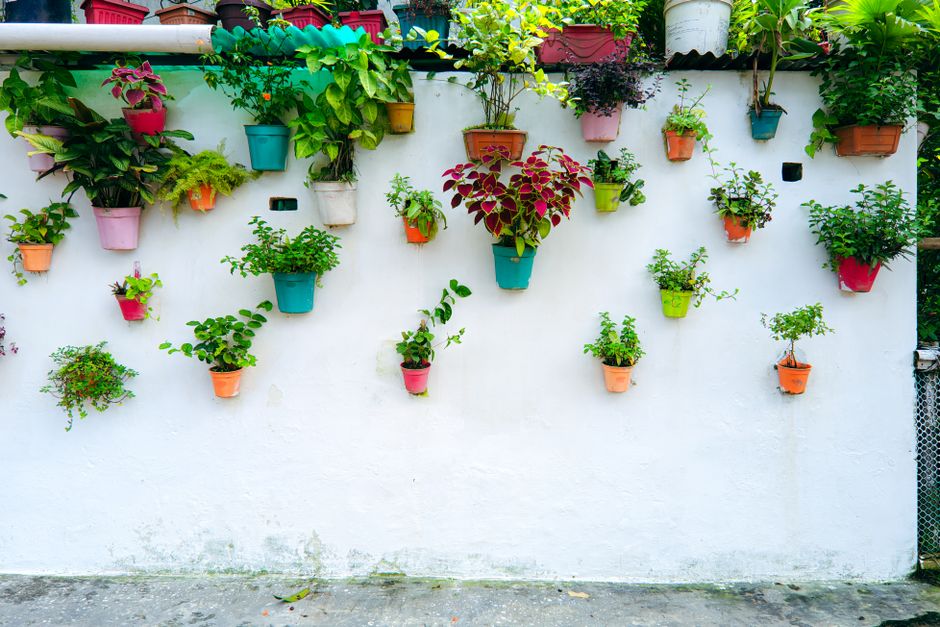
Wall-Mounted Planters and Pockets
Fabric or plastic pockets attach to walls and fences—ideal for herbs, salad greens, and trailing flowers.
Vertical Towers
Stacked planters and hydroponic towers grow dozens of plants in a tiny footprint, ranging from $50 to $300 (£40–£240).
Hanging Baskets and Railings
Perfect for trailing plants, strawberries, and cherry tomatoes on balconies and porches.
Best Plants for Vertical Growing
- Climbing vegetables: Pole beans, peas, cucumbers, and small squash.
- Vining fruit: Cherry tomatoes, melons (supported with slings), and grapes.
- Leafy greens and herbs: Lettuce, spinach, basil, and mint in towers and wall pockets.
- Strawberries: Thrive in stacked planters and hanging baskets.
- Flowering climbers: Clematis, morning glory, and jasmine for beauty and fragrance.
Building a Vertical Garden on a Budget
You do not need to spend much to get started. Repurpose wooden pallets into standing planters, use an old ladder as tiered shelving for pots, string netting between posts or along a fence for climbers, or mount lengths of guttering on a wall for shallow-rooted greens and strawberries. Many of the most effective and charming vertical gardens are built almost entirely from upcycled materials for next to nothing.
Other budget ideas abound: hang recycled plastic bottles or tin cans in rows for herbs, stack terracotta pots on a central stake to create a tower, or fix a wooden shoe organizer with pockets to a sunny wall for a living herb wall. Bamboo canes lashed into a wigwam make a free, attractive support for beans and sweet peas. The key is to start with what you have, ensure adequate drainage in every container, and expand as you discover what grows well in your space—vertical gardening rewards creativity far more than a big budget.
Supporting Heavy Crops
As climbing plants grow and set fruit, they need secure support. Use sturdy trellises anchored firmly into the ground or wall, and tie stems loosely with soft ties or twine as they climb so you do not damage them. Heavy fruits like melons and larger squash benefit from fabric slings or old pantyhose that cradle each fruit and prevent stems from snapping under the weight. Check all supports regularly through the season as plants gain size and mass.
Watering and Feeding Vertical Gardens
Vertical setups—especially wall pockets and towers—dry out faster than ground beds because water drains downward and the containers hold less soil. Water more frequently, and consider running a drip line along the top so gravity distributes moisture evenly down through the system. Feed regularly with a liquid fertilizer, since frequent watering flushes nutrients away quickly. Monitor the lower plants too, as they sometimes receive the runoff and can become overwatered while the top dries out.
Design and Placement Tips
- Face vertical gardens toward the sun for maximum light exposure.
- Ensure walls, fences, and structures can safely bear the weight when fully planted and wet.
- Position taller supports where they will not cast shade over shorter plants.
- Mix edibles and ornamentals for a display that is both beautiful and productive.
- Choose lightweight containers and mixes for balconies with weight limits.
Conclusion
Vertical gardening turns unused walls, fences, railings, and corners into thriving, productive space—ideal for anyone short on room. With affordable trellises, towers, and upcycled supports, you can grow more food and flowers while keeping plants healthier and easier to tend. Look up, use every available dimension, water and feed a little more attentively, and watch even the smallest space produce a genuinely surprising abundance.