Retaining Wall Ideas, Costs, and Materials for 2026
A retaining wall is one of the hardest-working features in any landscape. It holds back soil on a slope, prevents erosion, creates level usable space, and can double as seating, planting, or a striking design element. On sloped or terraced properties across the US, UK, Canada, and Australia, a well-built retaining wall is often the difference between a wasted hillside and a functional, beautiful yard. This 2026 guide covers material choices, realistic costs, drainage essentials, and design ideas to help you build a wall that lasts.
Why You Might Need a Retaining Wall
Retaining walls solve real problems. On a slope, they hold back soil and stop erosion that would otherwise wash away your garden and threaten structures. They carve flat, usable terraces out of a hillside, expanding the functional area of your yard for patios, lawns, or planting beds. They can manage water runoff and protect foundations, and they add structure and visual interest to a landscape. Whether functional, decorative, or both, a retaining wall unlocks the potential of difficult terrain.
Retaining Wall Materials and Costs
Material choice drives cost, durability, and appearance. Here are the main options for 2026, priced per square face foot installed:
- Concrete blocks (segmental) — $20 to $40; interlocking, DIY-friendly, and popular.
- Poured concrete — $30 to $55; strong and clean but needs forming.
- Natural stone — $40 to $80; premium look with unmatched character.
- Brick — $30 to $50; classic and durable.
- Timber — $20 to $35; economical but shorter lifespan.
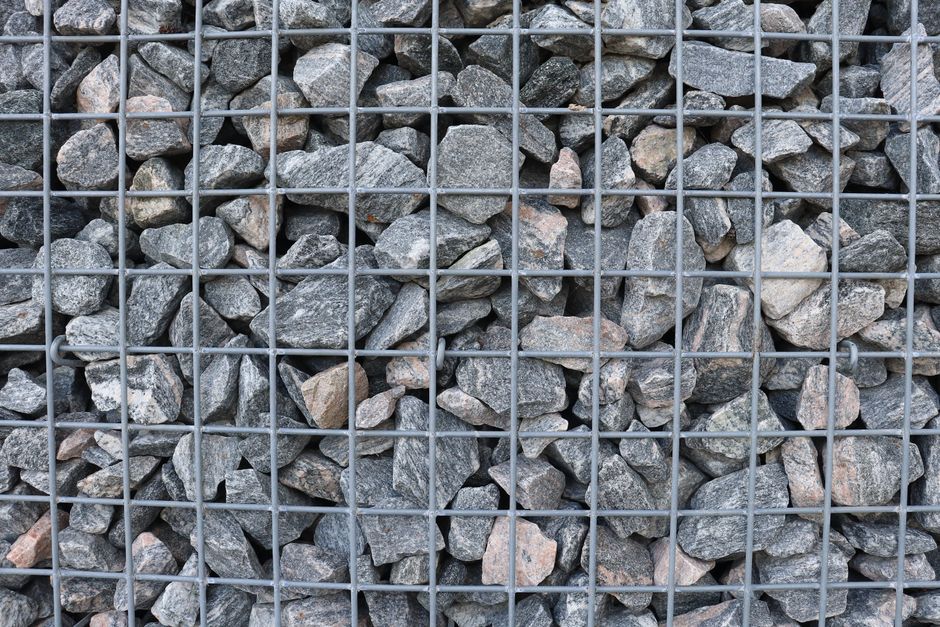
- Gabion (wire and rock) — $25 to $50; modern, permeable, and industrial.
A wall 30 feet long and 3 feet high covers 90 face feet, so budget accordingly.
Segmental Concrete Block Walls
Interlocking segmental blocks have become the default for residential retaining walls, and for good reason. They require no mortar, install relatively quickly, and their built-in lip and pin systems lock courses together for stability. Available in many colors and textures, they mimic natural stone at a lower cost. For walls under three to four feet on stable ground, they are within reach of a capable DIYer. Taller walls need geogrid reinforcement and engineering, but the block system remains the versatile, cost-effective choice.
Natural Stone and Premium Options
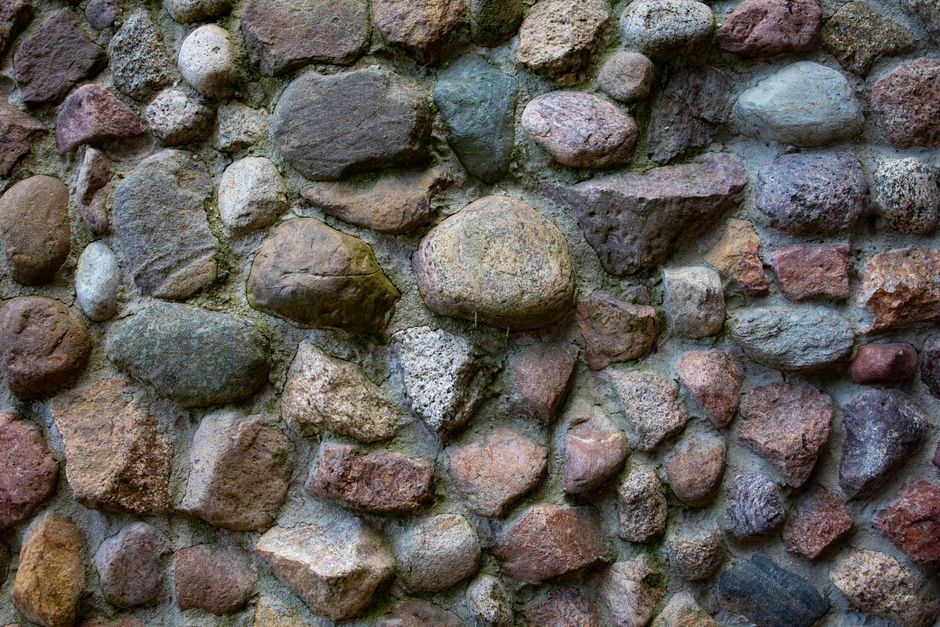
For the highest-end look, natural stone walls, whether dry-stacked or mortared, deliver timeless character no manufactured product fully matches. Each stone is unique, and a skilled mason can craft a wall that looks like it has stood for generations. Stone commands a premium in both material and labor, but it ages beautifully and adds significant curb appeal. Gabion walls offer a contrasting modern aesthetic, filling wire cages with rock for a permeable, contemporary structure that drains freely and suits industrial designs.
The Critical Role of Drainage
Drainage is the single most important factor in a retaining wall’s survival, and the most common reason walls fail. Water building up behind a wall creates enormous hydrostatic pressure that can bulge, crack, or topple it. Proper construction includes a gravel backfill, a perforated drainage pipe at the base, and weep holes or an outlet to carry water away. Never skip drainage to save money; a wall without it will fail prematurely, turning a cost saving into an expensive rebuild.
Design Ideas Beyond Function
A retaining wall can be far more than a structural necessity. Terracing a slope with multiple low walls creates tiered planting beds that add depth and beauty. Capping a wall with a wide, smooth stone turns it into casual seating around a patio. Integrating built-in planters, steps, or lighting elevates the wall into a design feature. Curving the wall softens a landscape, while matching its material to your home or patio ties the whole yard together into a cohesive, intentional design.
Height, Permits, and Engineering
Wall height determines complexity and legal requirements. Low walls under three to four feet are often straightforward and may not need a permit, though rules vary by location. Taller walls face significant soil pressure and typically require engineering, reinforcement, and a permit, and are best left to professionals. Always check local codes before building, confirm property lines, and call to locate underground utilities. Attempting a tall wall without proper engineering risks failure, property damage, and liability.
Retaining Wall ROI and Value
A quality retaining wall adds value by creating usable space, preventing erosion damage, and improving curb appeal, often returning a solid share of its cost by making a difficult property more functional and attractive. Walls that expand living or garden space, such as those creating a level patio area, tend to add the most value. A failing or unsightly wall, by contrast, is a liability that deters buyers. Building it right with proper drainage and materials protects both the investment and your property.
Signs of a Failing Retaining Wall
Catching problems early can save a costly rebuild. Watch for leaning or bulging sections, which signal soil pressure overwhelming the structure, and for cracks that widen over time. Pooling water behind or at the base of the wall points to failed drainage, the most common culprit. Soil erosion, tilting blocks, and separation at the joints all indicate the wall is under stress. If you notice these signs, consult a professional promptly; addressing drainage or reinforcement early is far cheaper than rebuilding a collapsed wall and repairing the damage it causes.
Conclusion
A retaining wall tames slopes, prevents erosion, and creates valuable usable space while adding structure and beauty to your landscape. Choose a material that fits your budget and style, prioritize drainage above all else, and respect height limits and permit rules to ensure the wall stands for decades. Whether you build a DIY block wall or commission a natural stone masterpiece, a well-engineered retaining wall turns challenging terrain into one of the most functional and attractive parts of your yard.