Backyard Water Features and Ponds: 2026 Ideas and Costs
Backyard water features ponds is an important topic for homeowners, and this guide covers it in detail. The sound of moving water instantly calms a backyard, masking street noise and creating a serene focal point that draws people outside. Water features range from a compact bubbling urn to a full ecosystem pond with fish and plants, and they suit gardens of every size and budget. In 2026, low-maintenance recirculating designs and energy-efficient pumps make water features more accessible than ever. This guide explores the best pond and water feature ideas, realistic costs, maintenance needs, and how they add value to your home.
Benefits of a Backyard Water Feature
Beyond their beauty, water features offer real advantages. The gentle sound of flowing water masks traffic and neighbor noise, creating a peaceful retreat. Moving water attracts birds, dragonflies, and beneficial wildlife, bringing your garden to life. A well-placed feature becomes a natural focal point that anchors the landscape design, and studies suggest the sight and sound of water reduce stress. For many homeowners, a water feature is the element that turns a nice yard into a true sanctuary.
Types of Water Features to Consider
There is a water feature for every space and style:
- Fountains — freestanding or wall-mounted, easy to install and self-contained.
- Pondless waterfalls — cascading water that disappears into a hidden reservoir, safe and low-maintenance.
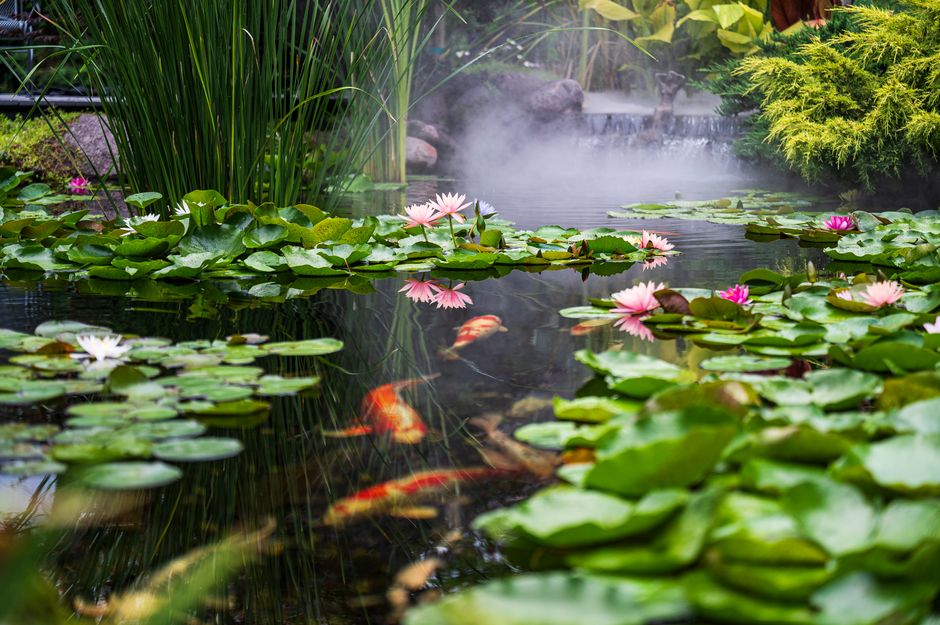
- Koi and ecosystem ponds — living habitats with fish, plants, and filtration.
- Bubbling rocks and urns — compact, modern, and child-safe.
- Streams and rills — meandering channels that connect garden zones.
Your choice depends on space, budget, and how much maintenance you are willing to take on.
Water Feature Costs in 2026
Prices vary widely with scale and complexity. A small self-contained fountain or bubbling urn runs $200 to $1,500. A pondless waterfall typically costs $3,000 to $8,000 installed. A modest ecosystem pond ranges from $5,000 to $15,000, while a large custom koi pond with premium filtration and rockwork can exceed $25,000. Ongoing costs include electricity for the pump, roughly $10 to $40 per month depending on size, plus seasonal maintenance and occasional part replacement.
Pondless Waterfalls for Low Maintenance
Pondless waterfalls have become the most popular choice for homeowners who want the sight and sound of water without the upkeep of open water. Water cascades over rocks into a gravel-filled basin that hides the reservoir and pump, then recirculates. With no standing water, there is little algae, no drowning risk for small children, and minimal maintenance. They deliver the drama of a stream or falls while remaining safe, efficient, and forgiving, making them ideal for families and busy owners.
Building an Ecosystem Pond
A true ecosystem pond balances fish, plants, rocks, bacteria, and filtration to create a self-sustaining habitat. Aquatic plants like water lilies provide shade and oxygen, while a biological filter and skimmer keep the water clear. Koi and goldfish add color and movement but require adequate depth, at least two to three feet, to overwinter and stay safe from predators. Though more involved than a fountain, a well-designed ecosystem pond becomes a living centerpiece that many owners find deeply rewarding.
Designing Your Water Feature Placement
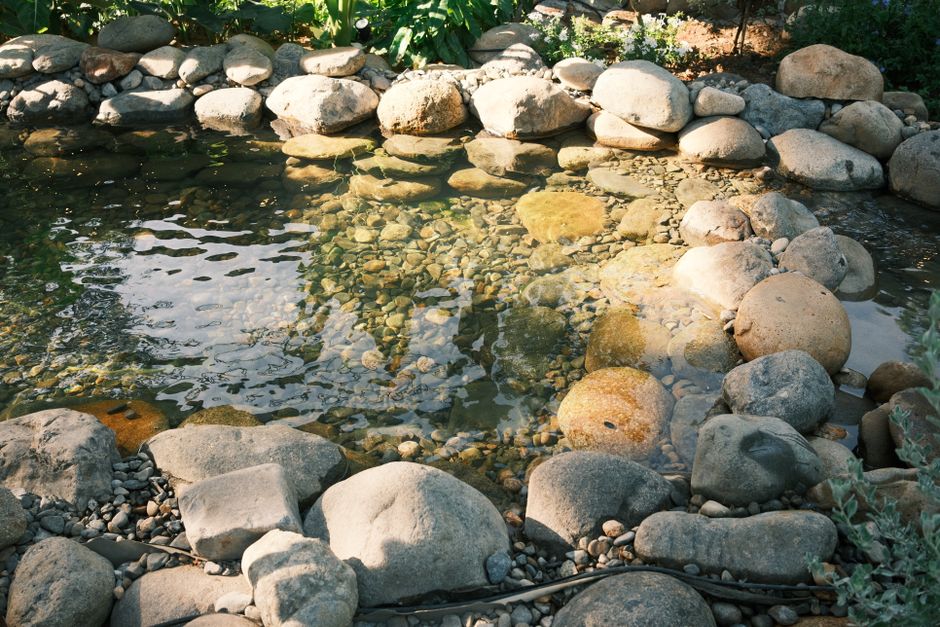
Location makes or breaks a water feature. Place it where you will see and hear it most, such as near a patio, deck, or kitchen window. Avoid siting a pond directly under trees, since falling leaves foul the water and clog filters. Ensure access to electricity for the pump and consider the natural grade so a stream or waterfall flows convincingly. Integrating the feature with surrounding planting and rockwork helps it look established rather than dropped in.
Maintenance and Seasonal Care
Every water feature needs some upkeep to stay healthy and clear. Fountains require periodic cleaning and topping up as water evaporates. Ponds need skimming of debris, checking pump and filter function, and managing algae, often with the right plant balance and beneficial bacteria rather than chemicals. In cold climates, winterizing is essential: remove or protect pumps, and in fish ponds, keep a hole open in the ice for gas exchange. A little routine care prevents most problems and keeps the water inviting.
Safety and Wildlife Considerations
Open water requires thoughtful safety planning, especially with young children. Pondless features and bubbling rocks eliminate the risk of standing water, while ponds may need fencing or shallow, gradual edges depending on local rules. Water features naturally attract wildlife, which most owners welcome, but a pond may draw herons that prey on fish; adding hiding spots, netting, or deterrents protects them. Balancing safety and habitat lets you enjoy the wildlife your feature invites without worry.
Value and Return on Investment
A tasteful, well-maintained water feature enhances curb appeal and helps a backyard feel like a premium retreat, which supports resale value and buyer emotion. Smaller, low-maintenance features tend to add value broadly, while large custom ponds appeal to a narrower set of buyers and may not fully recoup their cost. The greater return is in daily enjoyment and the tranquil atmosphere a water feature creates, making even a modest fountain a high-impact addition to your outdoor space.
Conclusion
A backyard water feature brings sound, movement, and serenity to your outdoor space, from a simple $300 fountain to a $20,000 koi pond. Choose a feature that matches your maintenance appetite and budget, place it where you will enjoy it most, and plan for safety, seasonal care, and the wildlife it attracts. Whether you opt for a low-maintenance pondless waterfall or a living ecosystem pond, the calming presence of water will make your backyard a peaceful sanctuary for years to come.