Gazebo vs Pergola: Which Is Right for Your Backyard in 2026?
Gazebo pergola is an important topic for homeowners, and this guide covers it in detail. When homeowners set out to add a standout structure to their backyard, the choice often comes down to a gazebo or a pergola. Both create a defined outdoor room, boost curb appeal, and invite you to spend more time outside, but they serve different purposes and carry different price tags. Understanding how they compare in shade, cost, construction, and function will help you pick the right one for your yard. This 2026 guide breaks down gazebos versus pergolas so you can invest with confidence.
What Is a Gazebo?
A gazebo is a freestanding, fully roofed structure, typically octagonal or rectangular, with a solid or shingled roof that offers complete protection from sun and rain. Often raised on a floor and sometimes screened or railed, a gazebo functions as a sheltered outdoor room you can use in nearly any weather. Its enclosed, finished feel makes it a destination within the yard, perfect for dining, lounging, or a hot tub. Gazebos read as permanent, upscale additions to a landscape.
What Is a Pergola?
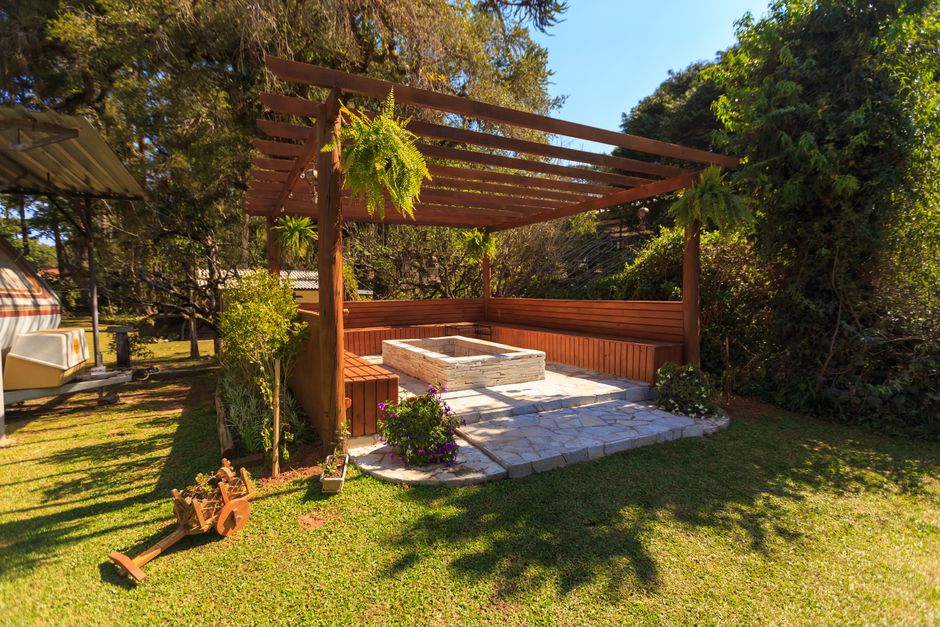
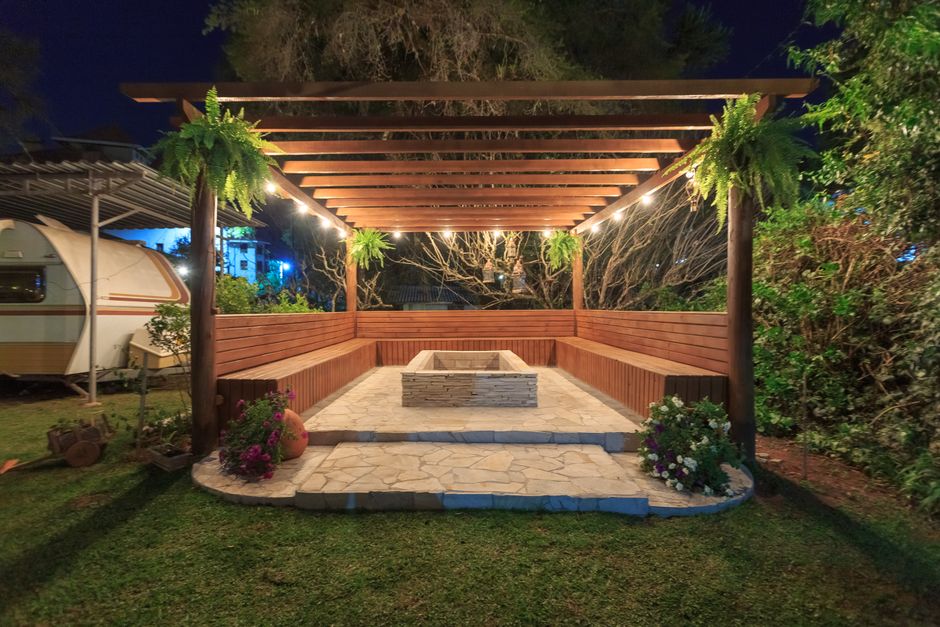
A pergola is an open framework of posts supporting an overhead grid of rafters and beams, with no solid roof. It provides partial, dappled shade and a sense of enclosure while letting light and air pass through. Pergolas can be freestanding or attached to a house, and their open top invites climbing plants, retractable canopies, or louvered roof upgrades. Lighter and more architectural than a gazebo, a pergola defines a space without fully enclosing it, keeping a yard feeling open.
Comparing Shade and Weather Protection
This is the biggest practical difference. A gazebo’s solid roof delivers full shade and keeps you dry in rain, making it usable in almost any weather. A standard pergola offers only partial shade from its slatted top and provides no rain protection unless you add a canopy or louvered roof. If year-round, all-weather use is your goal, the gazebo wins outright. If you want filtered sun, airflow, and an open feel, the pergola is the better fit.
Cost Comparison in 2026
Budget often tips the decision. Here is how they compare in 2026:
- Pergola kits — $1,500 to $6,000 for wood or aluminum.
- Custom pergolas — $6,000 to $20,000+ with premium features.
- Gazebo kits — $3,000 to $10,000.
- Custom gazebos — $10,000 to $30,000+ with flooring and screening.
Gazebos generally cost more because of their solid roof, flooring, and heavier construction, while pergolas offer a lower entry point.
Design and Style Considerations
Each structure sets a different tone. Gazebos lean traditional and formal, with their symmetrical shape and roof making a classic statement well suited to cottage and colonial homes. Pergolas span styles easily, from rustic timber to sleek modern aluminum, and pair naturally with contemporary architecture. Consider your home’s look and your garden’s scale: a large gazebo can overwhelm a small yard, while a slim pergola integrates more subtly and can even attach to the house for a seamless transition.
Best Uses for Each Structure
Match the structure to your intended use. Choose a gazebo if you want a sheltered spot for a hot tub, an all-weather dining area, or a shaded retreat that works in rain and intense sun. Choose a pergola to define a patio or outdoor lounge, support climbing plants, frame an entrance or walkway, or add architectural interest over a seating area. Many homeowners find the pergola better for open entertaining and the gazebo better for a dedicated, protected outdoor room.
Maintenance and Durability
Both structures last for years with proper care, but demands differ by material. Wood versions of either need periodic sealing or staining to resist rot and fading. Aluminum and vinyl pergolas are nearly maintenance-free, while a gazebo’s roof requires occasional inspection and shingle or panel upkeep. Gazebos have more surfaces and joints to maintain overall, but a quality build in durable materials keeps upkeep manageable. Factor long-term maintenance into your decision, not just the purchase price.
Which Adds More Value?
Both structures enhance outdoor living and can lift resale appeal by making a yard feel finished and inviting. A pergola often delivers strong value for its lower cost, adding style and shade that photograph well. A gazebo can command attention as a premium feature but appeals to a narrower set of buyers and rarely returns its full cost in colder climates. In warm regions where outdoor living is prized, either structure can help a home stand out and sell faster.
Combining Both in One Backyard
You do not always have to choose. On larger properties, many homeowners install both structures to serve different needs, using a pergola to shade an open patio near the house and placing a gazebo further out as a private, all-weather retreat. This layered approach creates distinct outdoor rooms and adds visual rhythm to the landscape. If budget allows, phasing the two over separate seasons spreads the cost while building toward a rich, well-zoned yard that offers both the airy openness of a pergola and the sheltered comfort of a gazebo.
Conclusion
Choosing between a gazebo and a pergola comes down to how you want to use the space and your budget. Pick a gazebo for full shade, rain protection, and an all-weather outdoor room, and expect to pay more for that permanence. Choose a pergola for open, airy shade, architectural style, and a lower entry cost, with the option to add canopies or louvers later. Match the structure to your home, climate, and lifestyle, and either choice will enrich your backyard for years.