Lawn Disease Treatment: Identify, Cure, and Prevent Common Problems
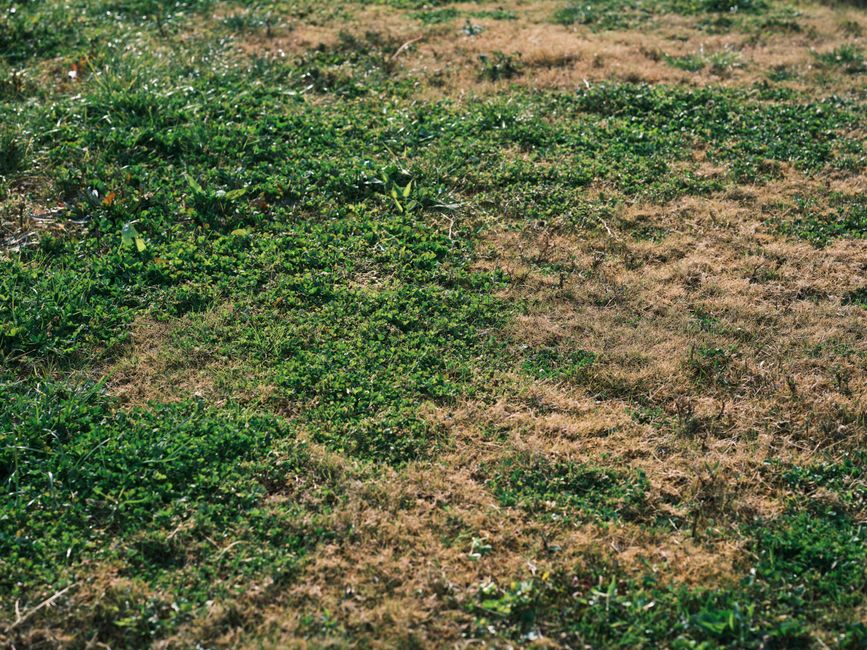
Lawn disease treatment is an important topic for homeowners, and this guide covers it in detail. Even a well-cared-for lawn can suddenly develop mysterious brown patches, circular dead spots, or an odd colored film. These are the signs of lawn disease, usually caused by fungi that flare up under the right conditions. The key to saving your lawn is quick identification and the right treatment. This guide covers the most common lawn diseases and how to beat them affordably.
What Causes Lawn Disease?
Most lawn diseases are fungal and require three things to develop: a susceptible grass, a present pathogen, and favorable environmental conditions such as excess moisture, humidity, or poor airflow. Stress factors like overwatering, over-fertilizing, compacted soil, and improper mowing weaken grass and open the door to infection. Managing these conditions is often more effective and cheaper than any fungicide.
This trio is often called the disease triangle, and it is the key to control: remove any one side and the disease cannot take hold. You usually cannot eliminate the pathogen entirely, since fungal spores are everywhere in soil and air, and you may not want to replace your grass, so the practical lever is the environment. By watering in the morning so blades dry quickly, improving airflow and drainage, and avoiding the lush, tender growth that heavy nitrogen produces, you make conditions unfavorable for fungi and prevent most outbreaks before they ever start.
Brown Patch
Brown patch appears as roughly circular brown areas, often a foot to several feet across, most common in warm, humid weather. It thrives when lawns are overwatered or fertilized heavily with nitrogen in summer. To treat it, reduce watering, water only in the morning, ease off nitrogen, and improve airflow. A targeted fungicide helps in severe cases, but cultural fixes usually resolve mild outbreaks.
Dollar Spot
Dollar spot shows up as small, silver-dollar-sized bleached spots that can merge into larger patches. It often signals low nitrogen and dry, stressed turf. Interestingly, a light feeding can help the grass outgrow this disease. Water deeply but infrequently in the morning, and apply fungicide only if the outbreak is widespread and not responding to improved care.
Rust
Rust coats grass blades in an orange or yellowish powder that rubs off on shoes and mowers. It appears on slow-growing, under-fertilized lawns, especially in late summer. The fix is usually simple: fertilize to promote healthy growth, mow regularly to remove infected tips, and ensure the lawn gets adequate sun and airflow. Fungicide is rarely necessary for rust.
Other Common Diseases
- Red thread: pink or red threads on blades, tied to low nitrogen; treat by feeding
- Snow mold: matted gray or pink patches after snow melts; rake to dry out and improve airflow
- Powdery mildew: white dusty coating in shade; improve light and airflow
- Fairy ring: dark green or dead rings from soil fungi; aerate and water deeply
- Pythium blight: greasy, dark patches in hot, wet weather; needs prompt fungicide
How to Diagnose the Problem
Accurate identification is half the battle. Note the pattern (rings, patches, or spots), the color, when it appeared, and recent weather and watering. Diseases often mimic pest damage, drought stress, or fertilizer burn, so rule those out first. If you are unsure, your local extension service or a lawn care professional can identify the pathogen, sometimes from a photo or a small sample, preventing wasted spending on the wrong product.
Treatment Costs
DIY treatment is affordable: a bottle or bag of lawn fungicide costs $20 to $50 and treats a typical lawn. Professional disease treatment as part of a lawn program runs $75 to $150 per application in 2026. Because many diseases resolve with better cultural practices, chemical treatment is often a last resort rather than a first response. Correct diagnosis matters, since the wrong product wastes money and leaves the disease untreated.
Prevention: Your Best Defense
Preventing disease is far easier and cheaper than curing it. Follow these practices to keep your lawn resilient:
- Water deeply but infrequently, and only in the early morning
- Mow at the correct height with sharp blades, never removing more than a third at once
- Fertilize on a balanced, season-appropriate schedule
- Aerate to relieve compaction and improve airflow
- Dethatch when buildup exceeds half an inch
- Choose disease-resistant grass varieties when seeding
When to Call a Professional
If your lawn shows widespread damage, disease keeps recurring despite good practices, or you cannot identify the problem, a lawn care professional can diagnose it accurately and apply the correct treatment. Misidentifying a disease and applying the wrong fungicide is a common and costly mistake, so expert help is worthwhile for stubborn or severe outbreaks and can save money over repeated failed DIY attempts.
Lawn diseases can be alarming, but most are manageable once you identify them and address the underlying conditions. Focus on proper watering, mowing, and feeding to keep grass strong, and reserve fungicides for serious cases. With good cultural practices and quick action at the first sign of trouble, you can keep disease at bay and enjoy a healthy, green lawn all season long.
If you do need to apply a fungicide, understand that most work best as a preventive measure or at the very first symptoms rather than as a rescue after damage is widespread. Rotate between products with different modes of action if you treat repeatedly, since fungi can develop resistance to a single chemical used over and over. Sanitize your mower by cleaning off clippings between uses when disease is active, so you do not spread spores across the lawn, and bag clippings from infected areas rather than mulching them. These small precautions, combined with correcting the moisture and airflow problems that triggered the outbreak, stop most diseases from returning the following season.