Lawn Weed Control: Costs, Methods, and How to Win the Battle
Lawn weed control is an important topic for homeowners, and this guide covers it in detail. Weeds are the most persistent enemy of a beautiful lawn. Left unchecked, dandelions, crabgrass, and clover crowd out healthy grass, steal water and nutrients, and quickly ruin your curb appeal. The good news is that a smart, well-timed weed control strategy can keep them in check without breaking the bank. Here is how to fight weeds effectively in 2026.
Why Weeds Take Over
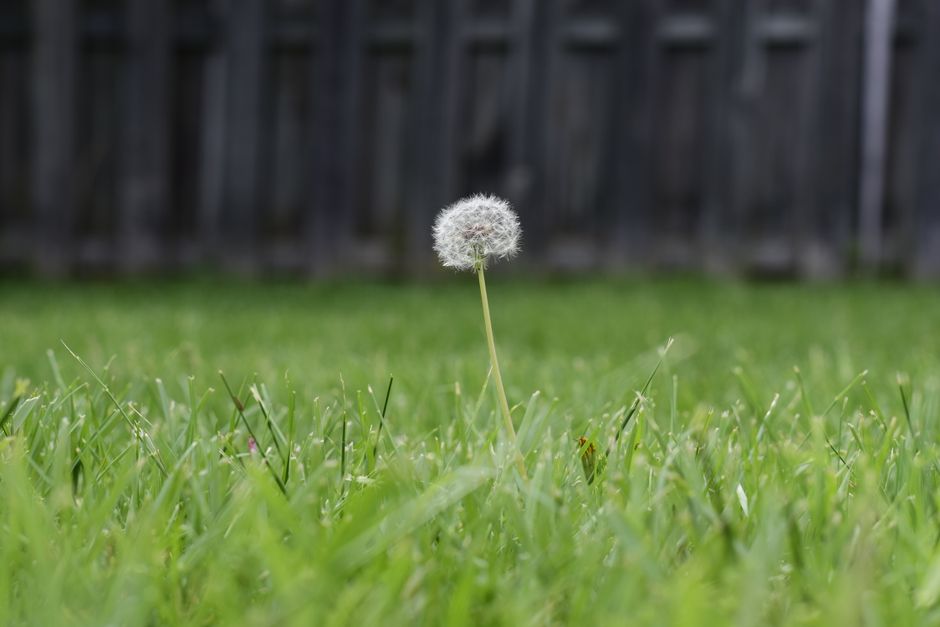
Weeds thrive wherever grass is weak. Thin, compacted, underfed, or scalped lawns leave bare soil and sunlight for weed seeds to exploit. That means the most powerful weed control tactic is a thick, healthy lawn that leaves no room for invaders to establish. Chemical and manual controls are the backup, not the foundation. A dense, well-fed lawn is your first and best line of defense.
It also helps to understand that weeds are often symptoms rather than the root problem. Persistent clover and chickweed can signal low fertility, abundant plantain and prostrate knotweed frequently point to compacted soil, and moss thrives in shade, poor drainage, and acidic ground. Reading the weeds in your lawn tells you what your turf is missing, so instead of simply spraying, correct the underlying condition, whether that means feeding, aerating, improving drainage, or adjusting soil pH, and many weeds will retreat on their own.
Pre-Emergent vs. Post-Emergent Herbicides
Understanding these two categories is key to timing your attack:
- Pre-emergent herbicides create a barrier that stops weed seeds from germinating. They are applied in early spring before soil warms, primarily to prevent crabgrass and other annuals.
- Post-emergent herbicides kill weeds that are already growing. Selective versions target broadleaf weeds without harming grass, while non-selective products kill everything they touch.
Using the wrong type at the wrong time wastes money, so match the product to the weed’s life stage.
How Much Does Weed Control Cost?
Professional weed control is usually sold as part of a seasonal program. In 2026, individual treatments cost $50 to $90 each, and a full-season program of four to six applications runs $250 to $600 for an average lawn. In the UK, expect £40 to £70 per treatment. DIY products are cheaper: a bag of weed-and-feed costs $30 to $60 and covers several thousand square feet, while a bottle of selective herbicide runs $15 to $40.
Common Lawn Weeds to Target
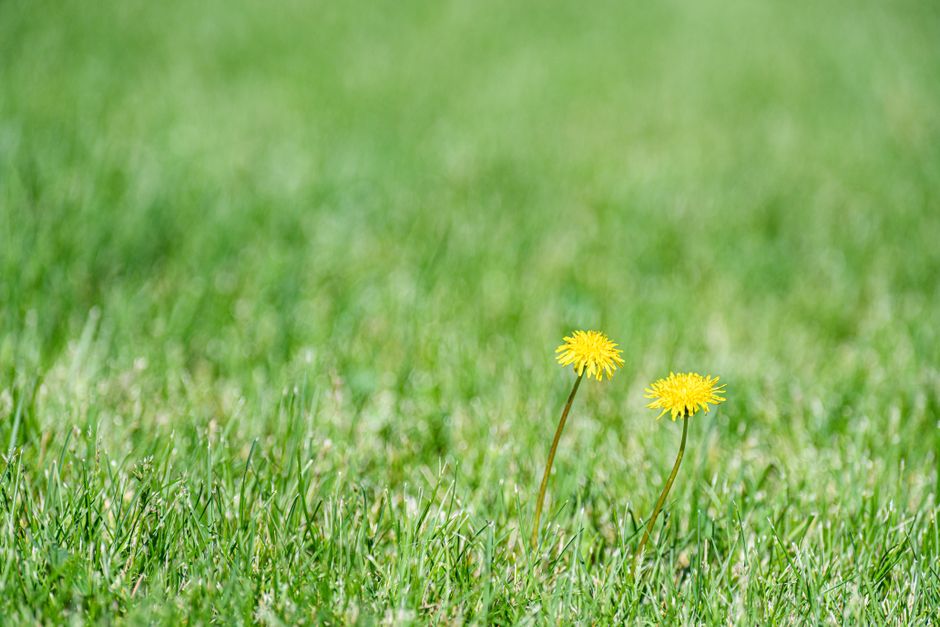
- Dandelions: deep taproots; best treated with selective broadleaf herbicide
- Crabgrass: an annual grass best stopped with pre-emergent
- Clover: a sign of low nitrogen; responds to feeding plus spot treatment
- Creeping Charlie and ground ivy: aggressive spreaders needing targeted herbicide
- Nutsedge: requires a specialized sedge control product
- Plantain and chickweed: common broadleaf weeds controlled by selective sprays
Organic and Natural Weed Control
If you prefer to avoid synthetic chemicals, several natural methods help. Corn gluten meal acts as a mild organic pre-emergent, hand-pulling works well for isolated weeds when soil is moist, and horticultural vinegar burns down young weeds in cracks and beds. Boiling water is effective on driveway and patio weeds. Natural methods require more diligence and repetition than chemical products but keep pets, kids, and pollinators safer, which many homeowners consider well worth the effort.
Cultural Practices That Prevent Weeds
The cheapest weed control is prevention through good lawn care:
- Mow high, keeping grass at 3 inches or more to shade out weed seeds
- Water deeply but infrequently to encourage strong grass roots
- Fertilize on schedule to keep turf dense
- Overseed thin areas before weeds can move in
- Aerate compacted soil where weeds like to establish
These practices cost little and dramatically reduce your reliance on herbicides over time.
Spot Treatment vs. Blanket Application
For scattered weeds, spot treating with a targeted spray is cheaper, uses less product, and is gentler on the environment than blanket-spraying the whole lawn. Reserve blanket applications for lawns with widespread infestations. This targeted approach saves money and reduces chemical use while still keeping isolated weeds in check.
Building a Year-Round Weed Control Plan
A successful plan layers timing and technique. In early spring, apply a pre-emergent to block crabgrass. In late spring and early summer, spot-treat broadleaf weeds as they appear. Through summer, focus on mowing high and watering deeply. In fall, a broadleaf treatment paired with feeding knocks out perennial weeds while they store energy in their roots, making it a highly effective window for lasting control.
When to Call a Professional
If weeds have overrun more than half your lawn, if you struggle to identify what you are dealing with, or if repeated DIY efforts fail, a professional service is worth the cost. Lawn care companies have access to commercial-grade products, correct diagnosis, and precise timing that often solves stubborn infestations faster than trial and error, potentially saving money in the long run.
Winning the weed battle is less about any single product and more about consistency: a thick, well-fed lawn plus properly timed pre- and post-emergent treatments. Whether you spend $250 on a DIY season or $600 on professional applications, the payoff is a dense, healthy lawn that keeps weeds out year after year. Start with prevention, treat strategically, and stay ahead of the problem.
Finally, always read and follow herbicide labels carefully, as they are legal documents as well as instructions. Apply on calm, dry days to prevent drift onto flower beds and vegetable gardens, wear the recommended protective gear, and keep children and pets off treated areas until the product has dried or the label’s re-entry period has passed. Store products in their original containers away from heat, and never exceed the labeled rate in hopes of faster results, since overapplication can damage your lawn, harm nearby plants, and pollute local waterways.