Artificial Turf Cost 2026: Is Fake Grass Worth the Investment?
Artificial turf has moved far beyond sports fields and putting greens. Today it is a mainstream choice for homeowners who want a lush, green lawn without mowing, watering, or fertilizing. But synthetic grass carries a significant upfront cost, and whether it pays off depends on your climate, usage, and how long you stay in your home. Here is a complete look at artificial turf pricing in 2026 and how to decide if it is right for you.
Average Artificial Turf Cost
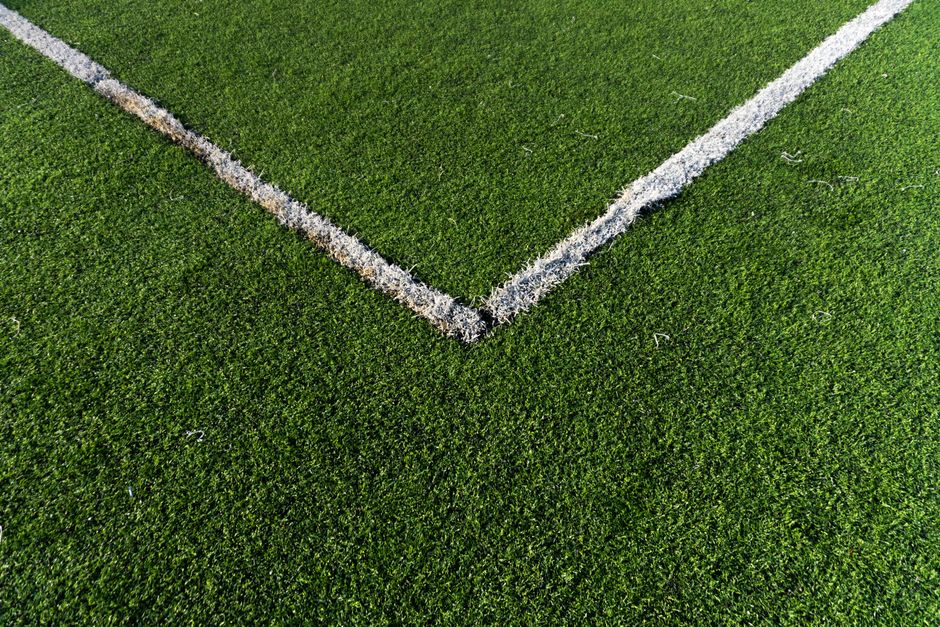
In 2026, professionally installed artificial turf typically costs between $8 and $20 per square foot in the US, with most homeowners landing around $12 to $15. In the UK, expect £40 to £120 per square meter installed. For a 500-square-foot area, total installed cost usually falls between $4,000 and $10,000.
The turf material itself accounts for $2 to $7 per square foot, while the rest covers labor, base preparation, and infill. Because so much of the cost is labor and base work, the per-foot price often drops on larger projects.
What Goes Into the Price
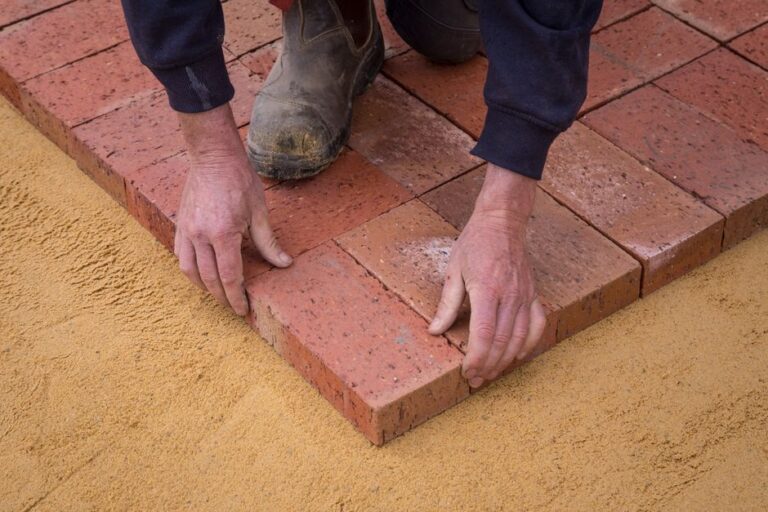
Artificial turf is not simply rolled out over existing grass. A proper installation includes several cost components:
- Excavation and removal of existing sod: $1 to $3 per sq ft
- Base material (crushed stone, decomposed granite): $1.50 to $3 per sq ft
- Turf product: $2 to $7 per sq ft
- Infill (sand or rubber): $0.50 to $1.50 per sq ft
- Labor and installation: $3 to $7 per sq ft
Complex layouts with curves, obstacles, or slopes require more cutting and seaming, which raises labor costs.
Turf Quality Tiers
Not all synthetic grass is equal. Budget turf uses thinner fibers and shorter warranties, while premium products feature realistic multi-tone blades, soft polyethylene fibers, and warranties of 15 years or more. Higher face weight (the density of fibers) generally means better durability and a more natural look, but also a higher price. Investing in a mid-tier or premium product usually pays off over the long lifespan of the installation.
Cost by Application
Where you install turf affects the total. A flat backyard lawn is the most economical, while pet areas need special antimicrobial turf and drainage, and putting greens use specialized short-pile turf with cup installation. Rooftop and balcony installations add complexity and cost. Be clear about your intended use when requesting quotes so installers specify the right product.
DIY vs. Professional Installation
Handy homeowners can install turf themselves and save on labor, cutting total cost by 30 to 50 percent. However, proper grading, compaction, and seaming are demanding, and poor base work leads to lumps, drainage problems, and premature failure. Renting a plate compactor and sourcing base material adds to DIY costs. For large or highly visible areas, professional installation is usually worth the investment for the warranty and finish alone.
Long-Term Savings
The appeal of artificial turf lies in its running costs, which are close to zero compared to a natural lawn. Consider what you eliminate:
- Water bills, often $30 to $100+ per month in dry climates
- Mowing service or equipment and fuel
- Fertilizer, weed control, and seed
- Aeration and seasonal maintenance
In arid regions like the southwestern US and much of Australia, water savings alone can offset the installation cost within seven to ten years, and some water authorities offer turf-replacement rebates that shorten the payback further.
Lifespan and Warranty
Quality artificial turf lasts 15 to 25 years with light maintenance such as occasional brushing and rinsing. That long lifespan spreads the upfront cost across two decades, which improves the value proposition considerably. Always confirm the manufacturer warranty and whether the installer offers a separate labor warranty, since installation quality determines how the turf ages.
Drawbacks to Weigh
Synthetic grass gets hot in direct sun and can feel uncomfortable underfoot on the hottest days. It does not provide the ecological benefits of living turf, such as cooling and carbon capture, and pet owners must rinse it to control odor. Some homeowners also miss the feel and smell of real grass, and a few areas have introduced restrictions on synthetic turf. These trade-offs matter more in temperate climates where natural lawns are easy to maintain.
Is Artificial Turf Worth It?
Artificial turf makes the strongest financial case in dry, water-restricted regions, on hard-to-grow shady or sloped areas, and for homeowners who dislike lawn maintenance. If you plan to stay in your home long enough to recoup the investment, typically eight years or more, the math often works. In wet, temperate climates where grass thrives cheaply, natural turf usually remains the better value.
Artificial turf is a substantial but potentially rewarding investment. With installed costs of $8 to $20 per square foot and a lifespan measured in decades, it can pay for itself through eliminated water, mowing, and chemical bills, especially where natural grass struggles. Get multiple quotes, choose a quality product, check for local rebates, and weigh your climate and timeline before deciding whether fake grass is right for your yard.
One final tip: ask any installer for references and, ideally, addresses of past jobs you can view in person. Turf quality and installation craftsmanship are hard to judge from a brochure, but a five-year-old installation tells you everything about how a product and crew hold up. A slightly higher bid from an installer with a proven track record and a strong labor warranty is almost always money well spent compared to the cheapest quote, which too often leads to visible seams, drainage issues, and premature wear.