Xeriscaping: The Complete Guide to a Beautiful Low-Water Yard
As water restrictions tighten and utility bills climb across the US, Australia, and beyond, more homeowners are rethinking the thirsty traditional lawn. Xeriscaping, a landscaping approach built around water conservation, offers a beautiful, low-maintenance alternative that thrives with minimal irrigation. Here is everything you need to know to design a stunning water-wise yard.
What Is Xeriscaping?
Xeriscaping is a landscaping method that dramatically reduces or eliminates the need for supplemental watering. Despite a common misconception, it does not mean a barren yard of rocks and cacti. A well-designed xeriscape is lush, colorful, and full of texture, using drought-tolerant plants, efficient irrigation, and smart soil management to conserve water while looking spectacular in any season.
The Core Principles
Successful xeriscaping follows several guiding principles:
- Smart design that groups plants by water needs
- Soil improvement with compost to retain moisture
- Efficient irrigation, typically drip systems
- Appropriate plant selection favoring natives and drought-tolerant species
- Mulching to reduce evaporation and suppress weeds
- Limited turf areas reserved only where truly needed
These principles work together rather than in isolation. Improving the soil, for instance, means every drop of water goes further, which in turn reduces how much irrigation the design needs, which lets you plant a wider palette without raising your water bill. Approaching a xeriscape as an integrated system, rather than a checklist of separate features, is what produces a yard that is both strikingly attractive and genuinely low-input over the long term.
How Much Does Xeriscaping Cost?
Converting a yard to xeriscape typically costs $5 to $20 per square foot in 2026, depending on plant choices, hardscaping, and whether you install drip irrigation. A full front-yard conversion often runs $5,000 to $15,000 professionally, though DIY conversions can cost far less. While the upfront investment can rival traditional landscaping, the ongoing savings in water and maintenance are substantial and continue for years.
The Water Savings
The headline benefit is water. Xeriscaped yards commonly use 50 to 75 percent less water than conventional lawns, translating into significant savings on utility bills in dry climates. Many municipalities in the western US and Australia offer rebates for replacing turf with water-wise landscaping, which can offset a meaningful portion of the conversion cost. Check with your local water authority before starting, as programs and payouts vary.
Beyond your utility bill, the water savings carry wider benefits that many homeowners value. Reducing outdoor water use eases pressure on strained municipal supplies during droughts, when watering bans often force traditional lawns to brown out anyway. A xeriscape stays attractive through those restrictions because it barely needs irrigation, so you avoid both the fines for over-watering and the disappointment of a dead lawn. In regions where water rates climb steadily year after year, these savings tend to grow over time rather than shrink.
Choosing the Right Plants
Plant selection is the heart of xeriscaping. Favor native species adapted to your regional climate, along with proven drought-tolerant performers:
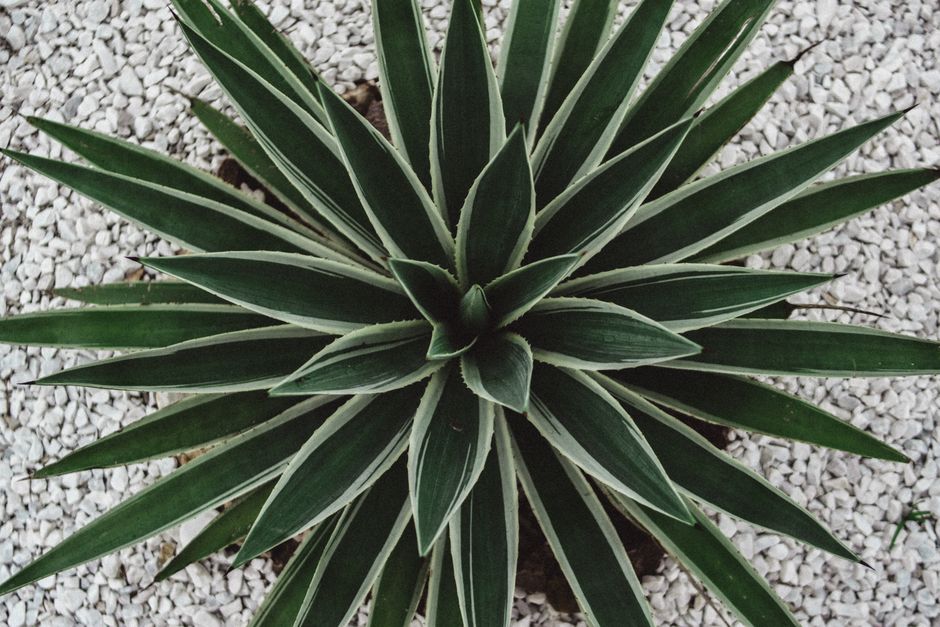
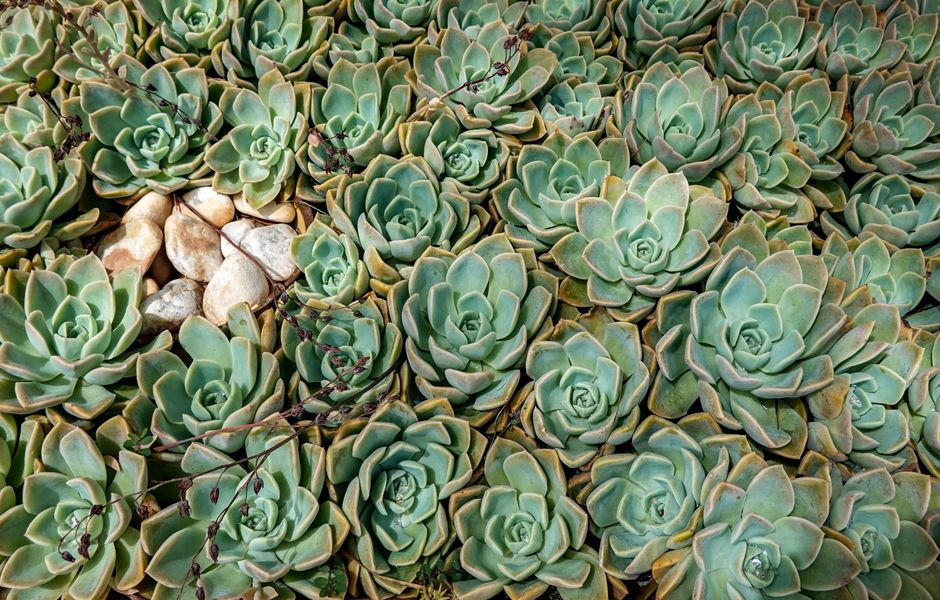
- Succulents and agaves for sculptural, water-storing form
- Ornamental grasses for movement and texture
- Lavender, salvia, and yarrow for pollinator-friendly color
- Native shrubs for structure and screening
- Groundcovers like creeping thyme to replace turf
Grouping plants with similar water needs, a practice called hydrozoning, ensures efficient irrigation and healthier plants.
Designing Your Xeriscape
Start by observing your yard’s sun, shade, and drainage patterns. Reduce turf to functional areas only, such as a small play space, and replace the rest with planting beds, gravel paths, and hardscape features. Use boulders, dry creek beds, and varied plant heights to create visual interest. Improve soil with compost so it holds moisture, then top beds with two to three inches of mulch to lock it in and keep roots cool.
Irrigation for a Xeriscape
Even drought-tolerant plants need water to establish. A drip irrigation system delivers water directly to roots with minimal evaporation and waste, making it ideal for xeriscapes. Pair it with a smart timer that adjusts for weather. Once plants are established, usually after one to two seasons, watering can be reduced dramatically or, for the toughest natives, eliminated entirely except in extreme drought.
Low Maintenance, High Reward
Once established, a xeriscape requires far less work than a traditional lawn. There is no weekly mowing, minimal fertilizing, and dramatically less watering. Established native plants largely care for themselves, needing only occasional pruning and mulch refreshes. This makes xeriscaping ideal for busy homeowners, second-home owners, and anyone seeking a sustainable, low-effort yard.
Is Xeriscaping Right for You?
Xeriscaping shines in hot, dry regions, on water-restricted properties, and for anyone wanting to cut water bills and maintenance. It also supports local wildlife and pollinators when planted with natives. In consistently wet, temperate climates the water savings are smaller, but the low-maintenance, naturalistic style still appeals to many. If you are tired of mowing and watering a struggling lawn, xeriscaping is well worth considering.
Xeriscaping proves that conserving water and having a gorgeous yard are not mutually exclusive. With thoughtful design, drought-tolerant plants, and efficient irrigation, you can create a vibrant, low-maintenance landscape that slashes water use and bills. Explore local rebates, plan your hydrozones, and enjoy a beautiful yard that works with your climate rather than against it.
As you plan, resist the temptation to cover large areas in bare gravel or rock, a mistake that gives xeriscaping its undeserved reputation for being stark. Expanses of rock absorb heat and radiate it back, raising temperatures around your home and stressing nearby plants. Instead, aim for generous planted areas broken up by paths and focal features, using rock as an accent rather than the main event. Layering plants of different heights, adding a shade tree or two, and mixing evergreen structure with seasonal bloomers creates a landscape that feels lush and alive year-round while still sipping water, which is the true goal of a well-designed xeriscape.