Lawn Aeration Guide: Cost, Benefits, and the Best Time to Aerate
If your lawn feels hard underfoot, water pools after rain, or the grass looks thin despite regular feeding, compacted soil is likely the culprit. Lawn aeration is the fix. By pulling small plugs of soil from the ground, aeration relieves compaction and lets air, water, and nutrients reach the roots. Here is everything you need to know, including what it costs in 2026 and how to get the best results.
What Is Lawn Aeration?
Aeration is the process of perforating the soil with holes to reduce compaction and thatch buildup. Over time, foot traffic, mowing, pets, and heavy rain pack soil particles tightly together, squeezing out the air pockets roots need. Aeration reopens those channels so your grass can breathe and drink freely, setting the stage for healthier, deeper roots.
Signs Your Lawn Needs Aeration
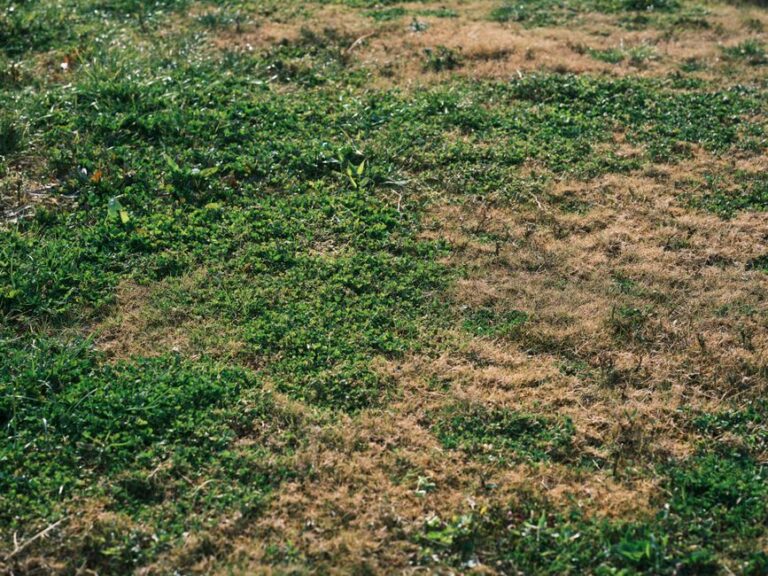
A few telltale symptoms indicate compaction. Water puddles or runs off instead of soaking in, the soil feels rock-hard, and a screwdriver is hard to push into moist ground. Thin, struggling grass in high-traffic areas and a spongy thatch layer thicker than half an inch are also strong signals. If several of these apply, aeration should be a priority.
Core Aeration vs. Spike Aeration
There are two main methods:
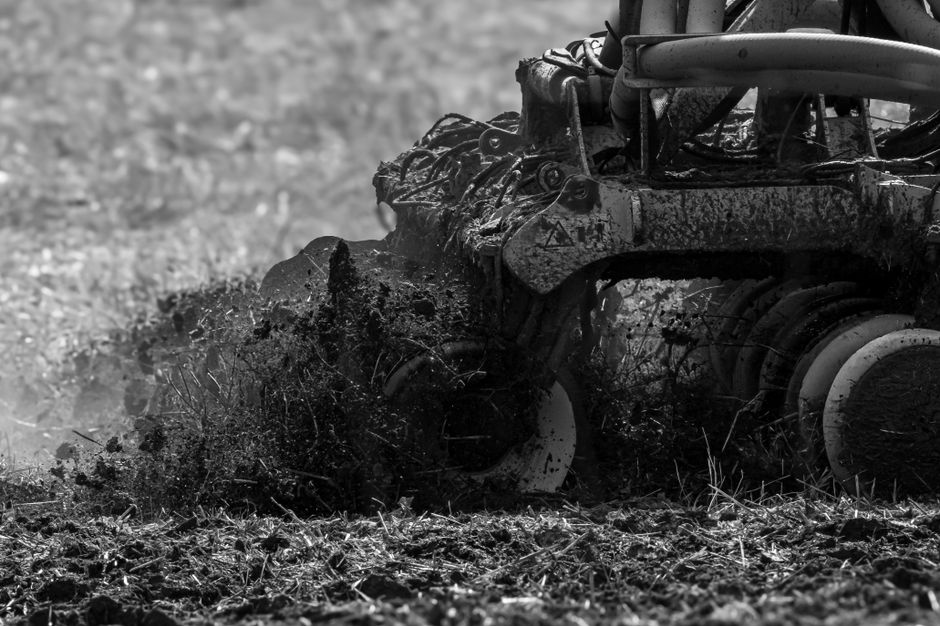
- Core (or plug) aeration removes actual cylinders of soil, leaving them on the surface to break down. This is the most effective method for relieving compaction.
- Spike aeration simply pokes holes with solid tines. It is gentler and cheaper but can worsen compaction over time by pressing soil outward.
For most lawns, core aeration delivers far better long-term results and is the method professionals recommend. A third option, liquid aeration, uses a soil-conditioning solution to loosen compacted ground and is gaining popularity for its ease of application, though it works more gradually and is best viewed as a complement to core aeration rather than a full replacement, particularly on heavy clay soils where mechanical plug removal remains the gold standard.
How Much Does Aeration Cost?
In 2026, professional core aeration costs $75 to $250 for an average lawn, with most homeowners paying around $125 to $175. Pricing depends on lawn size, terrain, and whether it is bundled with overseeding or fertilizing. In the UK, expect £60 to £180. Renting a core aerator runs $60 to $100 per day, making DIY worthwhile if you have a large lawn or split the rental with neighbors, though the machines are heavy and awkward to transport.
The Benefits of Aeration
Regular aeration delivers a range of benefits that compound over time:
- Improved water and nutrient absorption
- Stronger, deeper root systems
- Reduced thatch and soil compaction
- Better drought tolerance
- Enhanced response to fertilizer and overseeding
- Fewer puddles and improved drainage
Aeration is one of the highest-value services you can perform because it multiplies the effectiveness of everything else you do for your lawn.
The Best Time to Aerate
Timing depends on your grass type. Cool-season grasses like fescue and bluegrass are best aerated in early fall or spring during active growth. Warm-season grasses like Bermuda and Zoysia respond best to late spring or early summer aeration. The goal is to aerate when the grass is growing vigorously so it can heal the holes quickly and take advantage of the improved conditions. Avoid aerating dormant or drought-stressed turf.
Aeration and Overseeding: A Powerful Pair
Aeration creates ideal conditions for new seed to make soil contact and germinate. Overseeding immediately after core aeration is one of the most effective ways to thicken a thin lawn, because the seed falls into the open holes where it stays moist and protected. Many providers offer aeration and overseeding as a discounted bundle in fall, which is the ideal window for cool-season lawns.
What to Do After Aerating
Leave the soil plugs on the lawn to decompose naturally over a couple of weeks; they return valuable nutrients and microbes to the surface and are broken up by mowing and rain. Water thoroughly, apply fertilizer or seed if planned, and avoid heavy traffic while the lawn recovers. It is also a good time to apply compost as a light top-dressing to further improve the soil.
How Often Should You Aerate?
Most lawns benefit from aeration once a year. Lawns with heavy clay soil, high foot traffic, or persistent compaction may need it twice yearly, while healthy lawns in loose, sandy soil can go every other year. Let your lawn’s condition guide you: if water pools, the ground feels hard, or growth stalls despite good care, it is time to aerate again.
Lawn aeration is an affordable, high-impact service that unlocks the full potential of your fertilizing, watering, and seeding efforts. At $75 to $250 per session, or less with a rental, it is a smart annual investment that keeps roots healthy, soil loose, and grass thick. Time it to your grass type, pair it with overseeding, and your lawn will reward you with visibly stronger, more resilient growth.
If you rent a machine and tackle aeration yourself, water your lawn a day or two beforehand so the soil is moist but not soggy; the tines pull deeper, cleaner plugs from damp ground and struggle in dry, hard soil. Make two passes in different directions across problem areas for thorough coverage, and mark sprinkler heads and shallow utility lines first to avoid damaging them. These small preparations make a DIY aeration nearly as effective as a professional job at a fraction of the cost, and they protect your irrigation system from expensive accidental repairs.