Tree Removal Cost 2026: Pricing by Size, Type, and Complexity
Whether a tree is dead, diseased, dangerously close to your home, or simply blocking your plans, removal is a job best understood before you get a quote. Tree removal costs vary widely based on size, location, and complexity, and the difference between a simple job and a hazardous one can be thousands of dollars. Here is what to expect in 2026 and how to keep costs reasonable without cutting corners on safety.
Average Tree Removal Cost
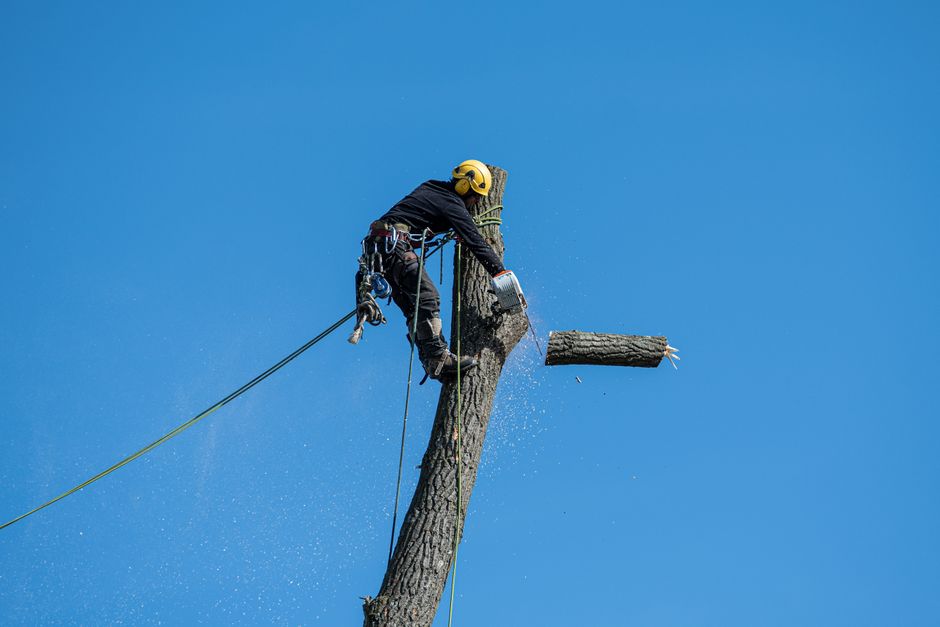
In 2026, tree removal typically costs $400 to $2,000, with most homeowners paying around $750 to $1,200 for an average tree. Small trees can be removed for as little as $200, while large, mature, or hazardous trees can exceed $3,000. In the UK, expect £400 to £2,500 depending on size and access. Emergency removals after storms command a premium.
Cost by Tree Size
- Small trees (under 30 ft): $200 to $500
- Medium trees (30 to 60 ft): $500 to $1,000
- Large trees (60 to 80 ft): $1,000 to $2,000
- Very large trees (over 80 ft): $2,000 to $3,500+
Height and trunk diameter are the biggest cost drivers because they determine the labor, equipment, and risk involved. A tall tree near obstacles may cost far more than its height alone suggests.
Factors That Raise the Price
Beyond size, several factors push a quote higher:
- Proximity to structures or power lines requiring careful sectioning
- Difficult access that blocks equipment like cranes or bucket trucks
- Tree condition, as dead or leaning trees are more hazardous
- Species, with dense hardwoods costing more than softwoods
- Emergency service after storms, which commands premium rates
- Multiple trunks or extensive canopy requiring more cuts
Stump Removal and Grinding
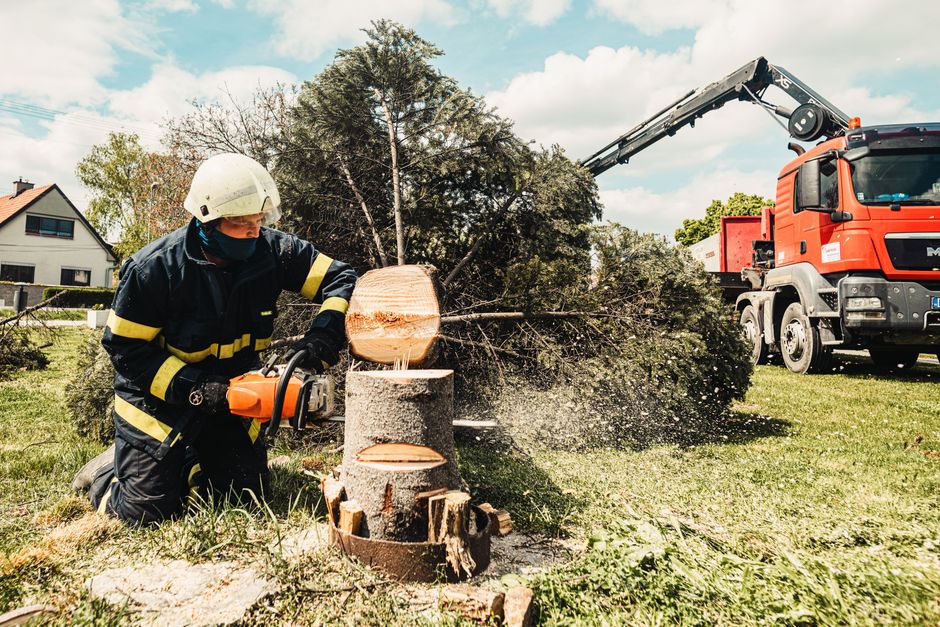
Tree removal usually leaves the stump behind unless you pay extra. Stump grinding costs $100 to $400 per stump, while full stump removal (extracting the roots) runs $200 to $600. Grinding is the more affordable and popular option, reducing the stump to chips several inches below grade so you can plant grass over it. Confirm whether stump work is included in your quote or billed separately.
Leaving a stump in place is an option, but it comes with drawbacks worth weighing. Stumps are tripping hazards, can sprout new shoots from the roots, and often attract termites, carpenter ants, and fungi as they slowly rot over many years. Grinding eliminates the eyesore quickly and lets you reclaim the space, though the ground-up wood chips will settle over time and the remaining roots still decompose underground, so you may need to top up the area with soil before it is ready for grass or new plantings.
Additional Cost Considerations
Ask whether the quote includes hauling away the debris and logs, which some companies charge separately. Wood chipping on site may be offered, and you can sometimes keep the logs for firewood to offset cost. Permits are required in some municipalities for removing large or protected trees, so check local rules before scheduling to avoid fines. In some areas, protected or heritage trees cannot be removed without approval.
Why You Should Hire a Professional
Tree removal is one of the most dangerous DIY tasks homeowners attempt. Falling limbs, chainsaw kickback, and unpredictable tree behavior cause serious injuries every year. Professional arborists carry insurance, use proper rigging and safety equipment, and know how to fell or section a tree without damaging your property. For anything larger than a small sapling, hiring a licensed, insured tree service is strongly recommended and often required by insurers.
Understanding the Quote
A reputable tree service should provide a written estimate detailing the work, cleanup, stump handling, and proof of insurance. Be wary of door-to-door offers, cash-only demands, and prices far below competitors, which often signal uninsured operators. Confirm whether they will fill and reseed any ground disturbance, and get the timeline in writing. Comparing detailed quotes protects you from hidden charges.
How to Save on Tree Removal
You can reduce costs without cutting corners on safety. Schedule non-urgent removals in the off-season, typically late winter, when crews are less busy. Get at least three quotes and confirm insurance and credentials. Handle cleanup yourself if you are able, and bundle multiple trees into one visit for a volume discount. Avoid the temptation to hire uninsured, unlicensed operators offering suspiciously low prices, as a mistake can cost far more than you save.
When Is Removal Necessary?
Not every troubled tree needs to come down. Removal is warranted when a tree is dead, structurally unsound, diseased beyond recovery, growing into foundations or utilities, or posing a clear hazard to people and property. In other cases, pruning, cabling, or treatment by an arborist may save the tree at lower cost. A professional assessment helps you make the right call and can sometimes avoid removal entirely.
Tree removal is a specialized job where safety and expertise matter more than saving a few dollars. With costs typically ranging from $400 to $2,000 depending on size and complexity, it pays to get multiple quotes from licensed, insured professionals and to factor in stump grinding and cleanup. Handle it correctly and you protect both your property and your budget.
It is also worth thinking about what happens after the tree is gone. Removing a large, mature tree can dramatically change the light, drainage, and even temperature of your yard, exposing shade plants to sun they cannot tolerate and altering how water moves across your property. Ask your arborist whether the tree can be saved through pruning or treatment before committing to removal, and if it must come down, plan a replacement. Planting a suitable new tree, ideally a native species sited well away from structures and utilities, restores shade and value over time and offsets the ecological loss of the tree you removed.