Drought-Tolerant Plants: Save Water and Money With a Beautiful Yard
Drought tolerant plants is an important topic for homeowners, and this guide covers it in detail. Water bills are rising across the US, UK, Canada, and Australia, and many regions now face regular drought restrictions and hosepipe bans. Drought-tolerant plants let you keep a beautiful, colorful landscape while dramatically cutting water use, maintenance, and cost. This guide covers the best water-wise plants for Tier-1 gardens and how to design a landscape that thrives with minimal irrigation—no more dragging hoses around in the summer heat.
Far from the gravel-and-cactus stereotype, a modern drought-tolerant garden can be as lush, colorful, and inviting as any traditional one. The secret is choosing the right plants and building soil and mulch that hold moisture where roots can reach it.
Why Go Drought-Tolerant?
Water-wise landscaping, sometimes called xeriscaping, can cut outdoor water use by 50–75%. With Tier-1 water rates climbing every year, that can mean saving hundreds of dollars annually. These plants also demand far less mowing, feeding, and general fussing, freeing your weekends while keeping your yard attractive and resilient during heat waves, droughts, and watering restrictions.
There is an environmental payoff too: less water use eases pressure on local supplies, and native drought-tolerant plants support pollinators and wildlife that adapted alongside them.
How Drought-Tolerant Plants Work
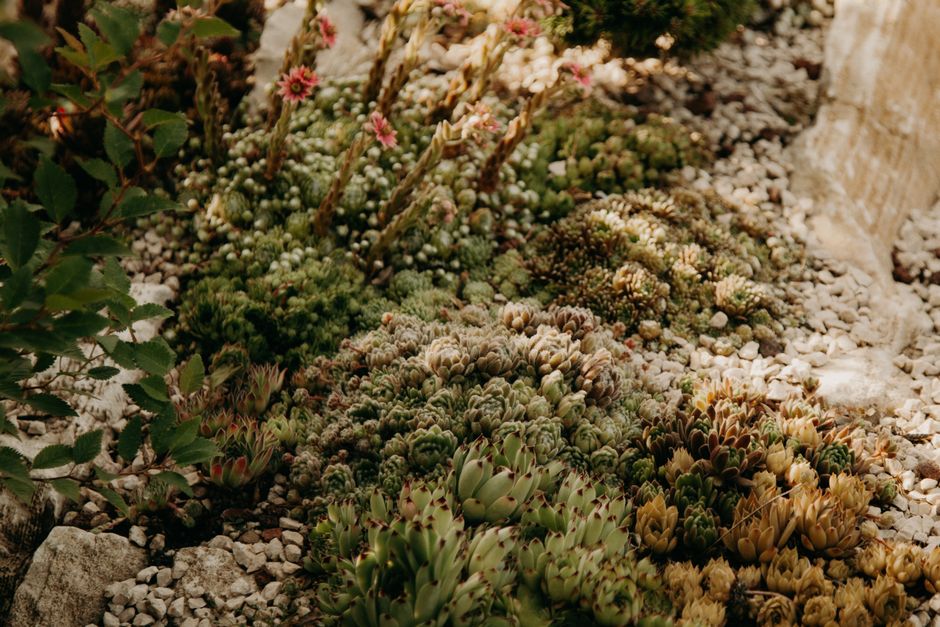
Drought-tolerant species survive dry spells through clever adaptations. Deep taproots reach moisture far below the surface; waxy, hairy, or silvery leaves reduce evaporation and reflect harsh sun; and fleshy succulent tissues store water for lean times. Once established, most need watering only during prolonged dry periods, and many thrive on rainfall alone after their first year.
Understanding these traits helps you spot good candidates at the nursery—look for silver foliage, needle-like leaves, or plump succulent growth as clues to water-thrifty performance.
Best Drought-Tolerant Plants
These reliable performers combine beauty with toughness across most Tier-1 climates:
- Lavender: Fragrant, pollinator-friendly, and thrives in poor, dry, well-drained soil.
- Russian sage: Airy purple blooms all summer long, and deer tend to leave it alone.
- Sedum (stonecrop): Succulent groundcovers and upright varieties that add striking fall color.
- Yarrow: Tough, long-blooming, and a magnet for beneficial insects.
- Echinacea (coneflower): Native, hardy, and feeds both pollinators and seed-eating birds.
- Ornamental grasses: Fountain grass, blue fescue, and feather reed grass add movement and texture.
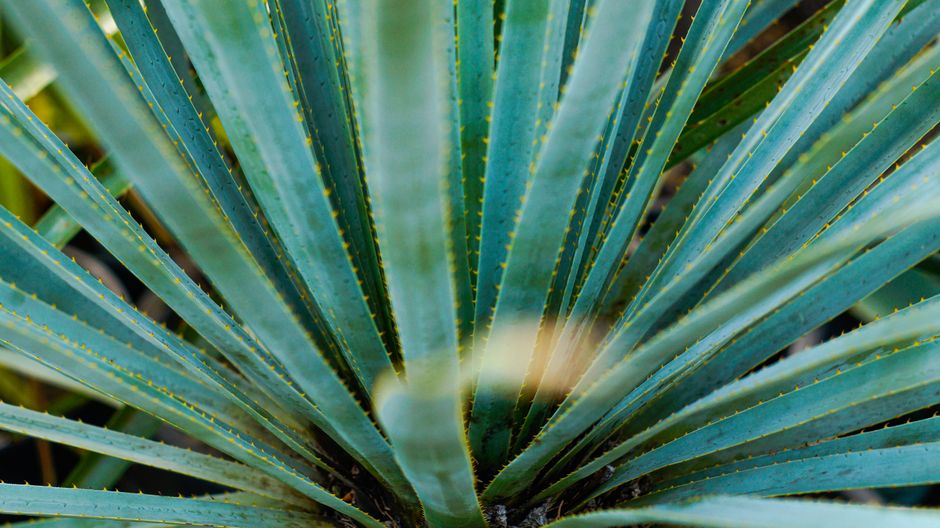
- Agave and yucca: Architectural focal points for the hottest, driest spots.
- Rosemary and sage: Edible, aromatic, and extremely drought-hardy once rooted.
Designing a Water-Wise Landscape
Group plants by water needs so you irrigate efficiently—a principle called hydrozoning. Place the thirstiest plants near the house where you see and enjoy them most, and let the toughest species handle the far reaches of the yard where watering is inconvenient. Replace thirsty lawn areas with gravel paths, native beds, or low groundcovers to dramatically reduce water demand while adding visual interest.
Layer plants by height and bloom time for year-round appeal, and repeat colors and shapes so the design feels cohesive rather than scattered. Incorporate boulders, dry creek beds, and mulch to create structure that looks intentional even when little is in bloom.
Soil Preparation and Mulching
Even drought-tolerant plants establish faster in improved soil. Loosen compacted ground and add compost to improve structure and water-holding capacity. Then apply a 2–3 inch layer of mulch—bark, gravel, or wood chips—to lock in moisture, moderate soil temperature, and suppress weeds. Mulch alone can cut watering needs significantly and is one of the cheapest, highest-impact upgrades you can make.
For many Mediterranean and succulent plants, sharp drainage matters more than fertility—add grit or coarse sand to heavy clay so roots never sit wet, which is a bigger killer than drought for these species.
Watering to Establish New Plants
The first year is critical. Water deeply but infrequently to encourage roots to grow down toward moisture rather than staying shallow and dependent. A slow, deep soak once or twice a week beats a light daily sprinkling every time. After the first season, most drought-tolerant plants need supplemental water only during prolonged heat, and many need none at all.
A simple drip line or soaker hose on a timer makes establishment effortless and delivers water right to the roots with minimal waste.
Cost and ROI of Xeriscaping
Converting a section of lawn to a water-wise bed costs roughly $5–$15 per square foot (£4–£12) depending on plants and hardscaping. Many Tier-1 water utilities offer rebates for lawn removal and efficient irrigation—sometimes $1–$3 per square foot—which shortens the payback period considerably. Combined with lower water bills, reduced maintenance, and less spending on fertilizer and lawn equipment, most xeriscapes pay for themselves within just a few years and keep saving after that.
Low-Maintenance Care and Common Mistakes
Ongoing Care Tips
- Cut back perennials in late winter to encourage fresh, vigorous growth.
- Refresh mulch annually to maintain its moisture-retaining and weed-suppressing power.
- Avoid over-fertilizing, which forces soft, thirsty growth that undermines drought tolerance.
- Divide clumping perennials every few years to keep them vigorous and give you free new plants.
- Remove weeds promptly, as they compete for the limited moisture your plants rely on.
Myths and Mistakes to Avoid
The biggest myth is that drought-tolerant gardens must be barren, gravel-covered expanses of cactus. In reality, some of the most romantic cottage-style plantings—lavender, salvia, catmint, and ornamental grasses—are highly drought-hardy and bloom generously. Another myth is that these plants never need water; in truth they need regular watering during their establishment year, and forgetting this is the top reason new plantings fail.
Avoid these frequent mistakes: planting into unimproved, poorly drained soil where roots rot in winter wet; overwatering established plants and encouraging soft, disease-prone growth; overcrowding, which forces competition for scarce moisture; and choosing thirsty plants for exposed, sun-baked spots. Read plant labels carefully and match each species to the right microclimate—hot and dry, part shade, or free-draining—for effortless long-term success. With the right placement, a water-wise garden practically takes care of itself.
Conclusion
Drought-tolerant landscaping proves you do not have to choose between a beautiful yard and a smaller water bill. With the right plants, smart hydrozoned design, well-prepared soil, and a good layer of mulch, you can enjoy vibrant color and texture year-round while saving water, money, and time. Start by converting one thirsty area, watch how well it performs, and expand from there—your future self and your water bill will thank you.