Hydroponics for Beginners: Grow Food Faster Without Soil
Hydroponics beginners is an important topic for homeowners, and this guide covers it in detail. Hydroponics—growing plants in nutrient-rich water instead of soil—is no longer just for commercial farms. Home gardeners across the US, UK, Canada, and Australia are using hydroponic systems to grow lettuce, herbs, and tomatoes faster, in less space, and with far less water than traditional gardening. This beginner’s guide explains how hydroponics works, the main system types, startup and running costs, and exactly how to get your first successful harvest.
If you have limited yard space, poor soil, or simply want fresh greens through the winter, hydroponics offers a clean, controllable, and surprisingly beginner-friendly way to grow.
What Is Hydroponics?
Hydroponics delivers nutrients directly to plant roots through water, eliminating the need for soil entirely. Because roots receive exactly what they need on demand, plants often grow 30–50% faster than in soil and can be packed closer together. It is a clean, efficient, and highly productive way to garden indoors, on a balcony, or in a small space year-round, regardless of the weather outside.
The concept is not new—hydroponic principles trace back centuries—but modern pumps, lights, and pre-mixed nutrients have made it easy and affordable for home growers. Instead of soil holding nutrients that roots must hunt for, you supply a precisely balanced solution of everything the plant needs, dissolved in oxygenated water. Roots get constant access to food, water, and air, so the plant channels its energy into rapid, healthy growth rather than searching for scarce resources underground.
Benefits of Growing Hydroponically
- Faster growth: Optimized, always-available nutrients mean noticeably quicker harvests.
- Less water: Recirculating systems use up to 90% less water than soil gardening.
- No weeds: With no soil, there is nothing to weed—ever.
- Space-efficient: Grow indoors, on balconies, or vertically all year.
- Fewer pests and diseases: Removing soil eliminates many soil-borne problems.
- Cleaner harvests: No dirt to wash off leafy greens and herbs.
Main Types of Hydroponic Systems
Deep Water Culture (DWC)
Roots hang directly in oxygenated nutrient water. Simple, cheap, and ideal for beginners growing lettuce and greens.
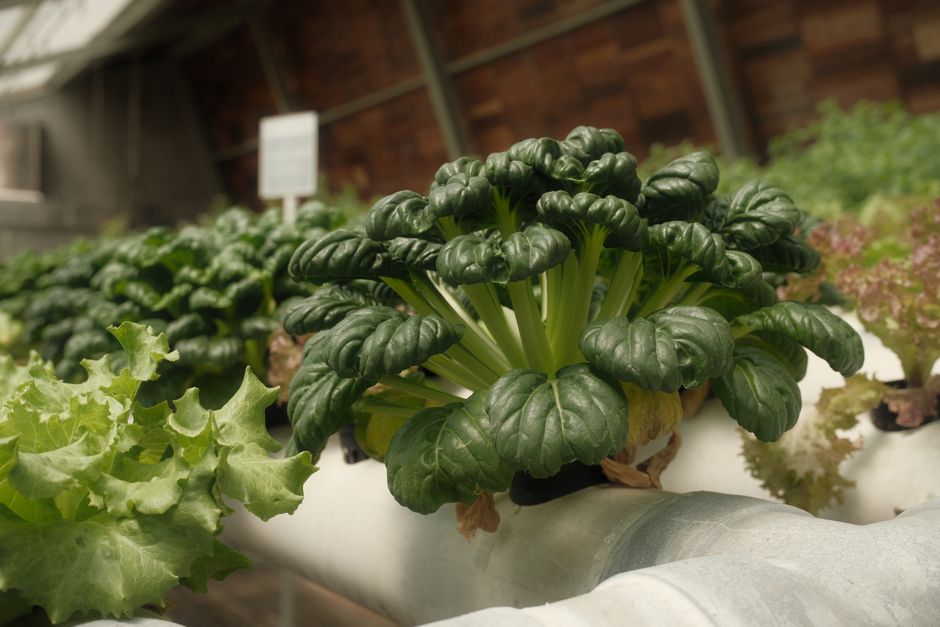
Nutrient Film Technique (NFT)
A thin, continuous stream of nutrient solution flows past roots in sloped channels. Efficient for herbs and greens but sensitive to pump failures.
Ebb and Flow (Flood and Drain)
Periodically floods a tray of plants then drains it back to a reservoir. Versatile and forgiving across a range of crops.
Drip Systems
Nutrient solution drips onto each plant’s root zone—easily scalable and popular for larger plants like tomatoes and peppers.
Wick Systems
Fully passive and pump-free, using wicks to draw nutrients up to the roots. Best for small herbs and the simplest possible starting point.
What Does a Hydroponic Setup Cost?
- Countertop kits: $80–$200 (£65–£160) for a self-contained herb garden with a built-in grow light.
- DIY DWC bucket system: $50–$150 (£40–£120) using totes, an air pump, air stone, and net pots.
- Mid-size NFT or ebb-and-flow: $200–$600 (£160–£480) for a productive multi-plant setup.
- Grow lights: $50–$300 (£40–£240) for indoor systems without natural light.
Ongoing costs include nutrient solution, electricity for pumps and lights, and replacement growing media—typically $10–$40 (£8–£32) per month for a home system, easily offset by the value of fresh greens and herbs you would otherwise buy.
Essential Equipment and Nutrients
Beyond the system itself, you will need a nutrient solution formulated specifically for hydroponics, a pH testing kit, and an EC/TDS meter to measure nutrient strength. Growing media such as clay pebbles, rockwool, or coco coir support plants and hold roots without any soil. A reliable air pump is essential in water-based systems to keep roots oxygenated—without oxygen, roots suffocate and rot even while sitting in water.
Managing pH and Nutrients
Success hinges on water chemistry. Most hydroponic crops thrive at a pH of 5.5–6.5, where nutrients are readily absorbed. Check pH every few days and adjust with pH-up or pH-down solutions as needed. Monitor nutrient strength with your EC meter and top up the solution as plants drink it down. Fully change the reservoir every one to two weeks to prevent nutrient imbalances and salt build-up. This routine takes only minutes once you get the hang of it, and it is the single biggest factor in healthy growth.
Water temperature matters too: aim to keep the reservoir between 18–22°C, as water that is too warm holds less oxygen and encourages root diseases like pythium. In hot weather, shading the reservoir or adding frozen water bottles helps. Keeping your equipment clean between crops—rinsing reservoirs, channels, and net pots—prevents algae and pathogen build-up that can undermine an otherwise well-run system.
Best Crops for Beginners
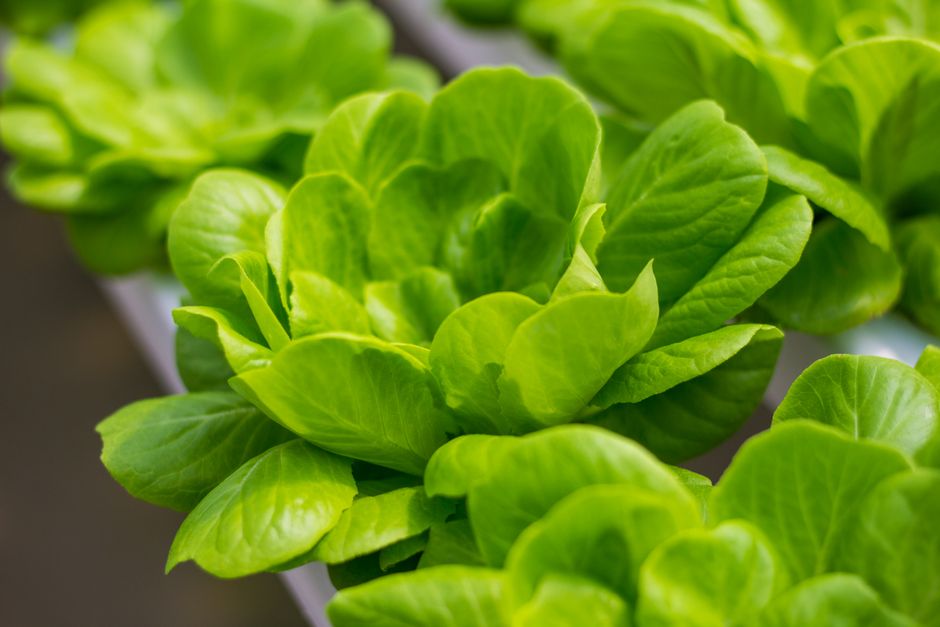
- Lettuce and leafy greens: Fast, forgiving, and the ideal first crop.
- Herbs: Basil, mint, and cilantro thrive and are expensive to buy fresh.
- Spinach and kale: Nutritious, quick, and productive.
- Tomatoes and peppers: Very rewarding once you have gained a little experience.
Common Beginner Mistakes
- Ignoring pH, which locks out nutrients even when they are present in the water.
- Poor root oxygenation—always run the air pump in water-based systems.
- Too little light indoors, leading to weak, pale, leggy plants.
- Overcrowding, which reduces airflow and invites disease.
- Letting the reservoir run dry or get too warm, which stresses roots.
Conclusion
Hydroponics offers a clean, fast, and remarkably water-efficient way to grow fresh food almost anywhere—no yard or soil required. Start with a simple DWC or countertop system and easy greens, learn to manage pH and nutrients, and you will be amazed how quickly you can harvest crisp lettuce and fragrant herbs. Once you master the basics, scaling up to larger systems and more ambitious crops is straightforward and highly rewarding.