Deck Building Cost in 2026: A Complete Price Breakdown
Deck building cost is an important topic for homeowners, and this guide covers it in detail. Building a deck is one of the most popular home improvements in North America, the UK, and Australia, and for good reason: a deck expands your living space, boosts curb appeal, and returns a strong share of its cost at resale. But before you break ground, you need a clear picture of what a deck actually costs in 2026. Prices have shifted with material trends and labor rates, so this guide breaks down every line item, from boards and fasteners to permits and railings, and shows you where to save without cutting corners.
Average Deck Cost in 2026
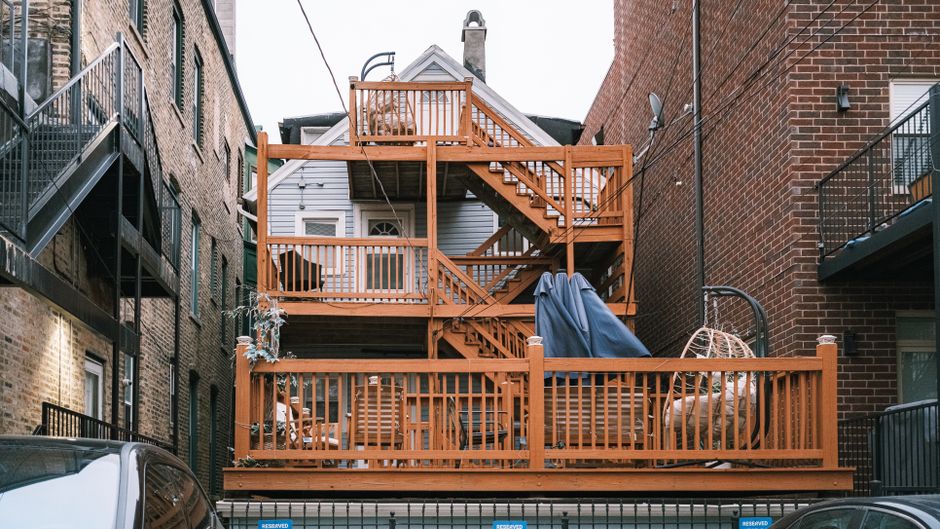
As of 2026, a professionally built deck runs between $30 and $60 per square foot for pressure-treated wood, and $60 to $120 per square foot for premium composite or hardwood. That means a typical 300-square-foot deck costs roughly $9,000 to $18,000 for pressure-treated lumber and $18,000 to $36,000 for high-end composite. Small ground-level platforms can come in under $5,000, while large multi-level decks with built-in features can exceed $50,000.
Deck Cost by Material
Material is the single biggest cost driver. Here is how the main options compare per square foot, installed:
- Pressure-treated pine — $30 to $45; budget-friendly but needs annual sealing.
- Cedar or redwood — $40 to $60; naturally rot-resistant with a warm appearance.
- Composite (Trex, TimberTech) — $60 to $90; low maintenance and long warranties.
- PVC decking — $70 to $100; fully synthetic, fade and stain resistant.
- Tropical hardwood (Ipe) — $80 to $120; exceptionally durable and premium looking.
Composite has overtaken wood in many markets because its higher upfront cost is offset by decades of near-zero maintenance.
Labor Costs and What They Cover
Labor typically accounts for 50 to 60 percent of a deck project. Skilled carpenters charge $30 to $80 per hour, or bundle labor into the per-square-foot price. Labor covers footings, framing, decking installation, railings, and finishing. Complex designs with curves, multiple levels, or intricate railing patterns raise labor costs significantly because they demand more precise cutting and fitting.
Additional Costs to Budget For
The deck surface is only part of the equation. Plan for these extras:
- Permits — $150 to $800 depending on your municipality.
- Footings and framing — often included, but soft or sloped ground adds cost.
- Railings — $20 to $60 per linear foot, more for glass or cable.
- Stairs — $150 to $350 per step depending on width and material.
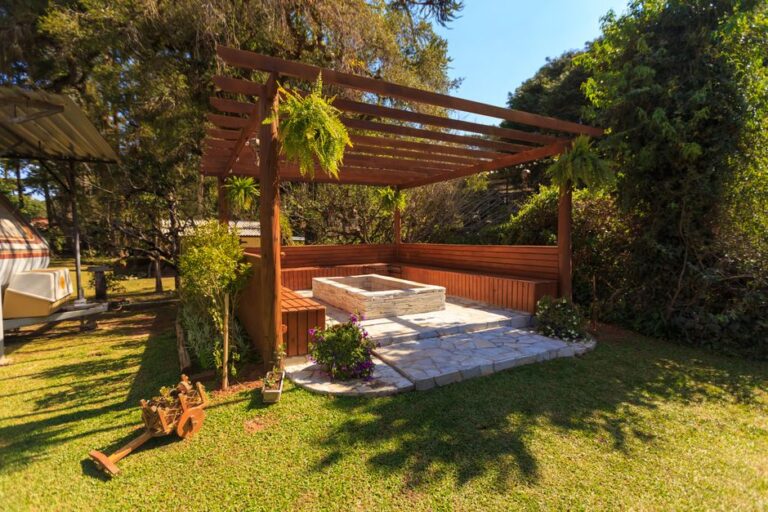
- Built-in features — benches, planters, and pergolas add $1,000 to $10,000.
How Deck Size Affects Price
Bigger decks cost more overall but often less per square foot, because fixed costs like mobilization and permits spread across more area. A 100-square-foot deck might cost $50 per square foot, while a 500-square-foot deck of the same material could drop to $40. That said, resist oversizing: a deck should be proportional to your home and yard, roughly the size of your largest interior room, so it looks intentional rather than sprawling.
Deck ROI and Resale Value
Decks consistently rank among the highest-return outdoor projects. Industry remodeling reports place the return on a wood deck at 65 to 75 percent and composite around 60 to 70 percent. Beyond the numbers, a deck makes a home more marketable and helps it sell faster. Buyers picture themselves entertaining outdoors, and that emotional pull often matters as much as the appraised value. For most homeowners, a deck is both a lifestyle upgrade and a sound financial move.
Financing Your Deck Project
Few homeowners pay cash for a large deck. Common financing routes include a home equity line of credit at competitive rates, an unsecured personal loan for faster approval, or contractor financing that bundles the cost into monthly payments. Compare the annual percentage rate and total interest before signing. Because a deck adds resale value, financing at a reasonable rate lets you enjoy the space now while spreading the cost over several seasons of use.
DIY Deck Building: Savings and Risks
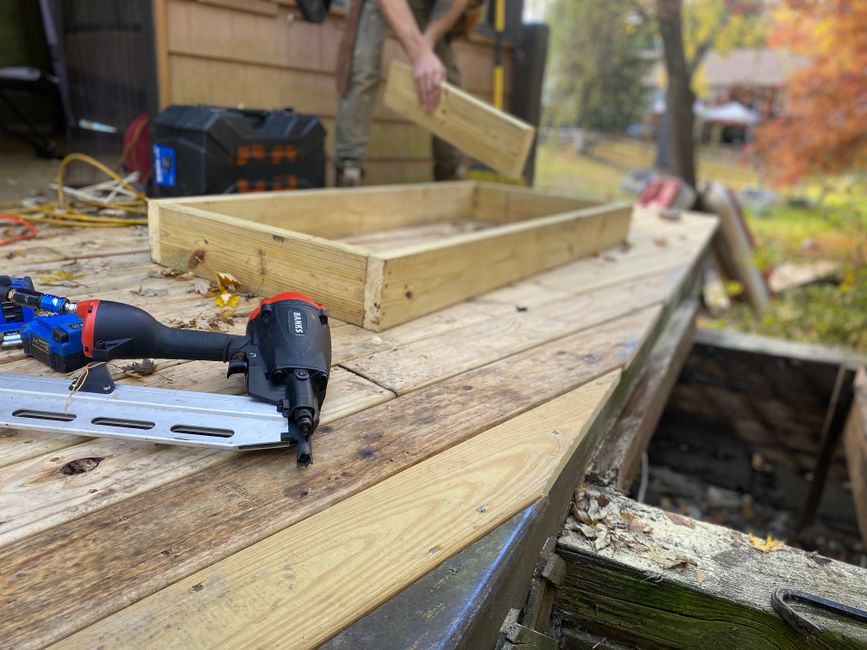
Building your own deck can cut costs by 40 to 50 percent since labor disappears from the equation. A ground-level platform is achievable for a skilled DIYer over a few weekends. However, elevated decks involve structural loads, ledger attachment, and code compliance that carry real safety consequences if done wrong. Many jurisdictions require inspections regardless of who builds. If you tackle it yourself, pull the proper permits and consider hiring a professional to verify the framing.
Tips to Reduce Deck Costs
You can trim thousands without sacrificing quality. Choose a simple rectangular design to minimize labor, build during the off-season when contractors offer discounts, and select pressure-treated lumber for the frame while splurging on composite only for the visible surface. Getting three detailed quotes creates competition and reveals padded estimates. Finally, phase optional features like pergolas and lighting into a later budget cycle so the core deck stays affordable.
Deck Maintenance Costs Over Time
The purchase price is only part of a deck’s true cost. Pressure-treated and cedar decks need cleaning and resealing every one to three years, at roughly $500 to $1,500 per treatment depending on size, plus occasional board replacement as wood ages. Composite and PVC decks reduce this to simple soap-and-water cleaning, with no staining or sealing required, which is why many owners accept the higher upfront price. When comparing quotes, factor in a decade of upkeep: a wood deck may cost less to build but more to own, while composite front-loads the expense and rewards you with near-zero maintenance for twenty-five years or more.
Conclusion
A deck remains one of the best-value outdoor investments in 2026, blending everyday enjoyment with strong resale appeal. Expect to spend $9,000 to $18,000 for a solid mid-size wood deck, or more for premium composite that pays you back in low maintenance. Nail down your material, size, and financing early, gather multiple quotes, and factor in permits and railings so there are no surprises. Plan carefully, and your new deck will deliver comfort and value for decades.