20 Fire Pit Ideas to Warm Up Your Backyard in 2026
Fire pit warm backyard is an important topic for homeowners, and this guide covers it in detail. Few backyard features draw people together like a fire pit. It extends your outdoor season into cool evenings, creates a natural gathering point, and adds a warm, inviting glow that instantly elevates a space. In 2026, fire pits range from simple DIY stone rings to sleek gas fire tables with integrated seating and lighting. Whether you want a rustic wood-burning centerpiece or a clean-burning modern feature, this guide covers the best ideas, realistic costs, and safety essentials to help you choose the right fire pit for your yard.
Wood-Burning Versus Gas Fire Pits
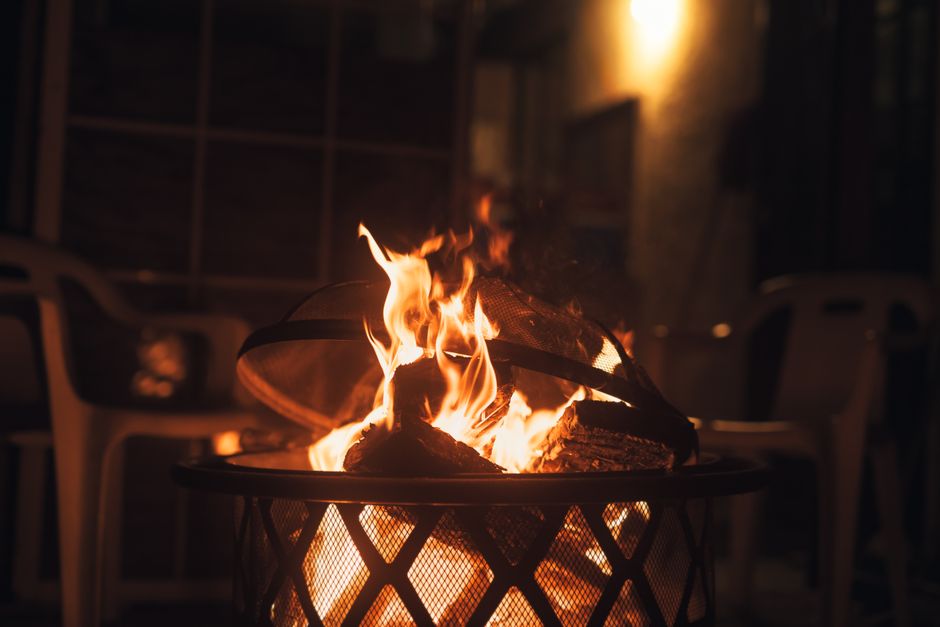
The first decision is fuel. Wood-burning pits deliver crackling flames, real warmth, and the classic campfire experience at a lower upfront cost, but they require wood storage, produce smoke, and leave ash to clean. Gas pits, fueled by natural gas or propane, ignite instantly, burn clean, and offer precise flame control, making them ideal for patios and low-maintenance lifestyles. Gas costs more to install, especially with a dedicated line, but wins on convenience and is often permitted where open wood fires are restricted.
Fire Pit Cost Breakdown for 2026
Prices span a wide range depending on type and materials:
- Portable wood or propane pit — $100 to $600; ready to use out of the box.
- DIY stone or paver ring — $200 to $800 in materials.
- Built-in masonry pit — $1,500 to $5,000 installed.
- Gas fire table — $600 to $3,000.
- Custom gas fire feature with seating — $5,000 to $15,000+.
A natural gas line adds $500 to $2,000 depending on distance, but eliminates ongoing propane refills.
DIY Fire Pit Ideas on a Budget
A fire pit is one of the most achievable DIY projects in the yard. A ring of retaining-wall blocks set on a gravel base creates a sturdy pit in an afternoon for a few hundred dollars. For a more polished look, stack natural stone or use a steel fire ring insert to protect the surrounding material. Always dig down and lay a gravel or sand base for drainage and heat protection, and keep the inside diameter around 36 to 44 inches for a comfortable, efficient fire.
Modern Gas Fire Tables and Features
For a contemporary yard, a gas fire table doubles as a coffee table and heat source. Linear fire features stretch flames across a long trough for dramatic effect, perfect for pool decks and modern patios. Glass wind guards and decorative fire glass or lava rock refine the look while directing heat. These features pair beautifully with sectional seating and pull the whole outdoor room together, offering flame at the flick of a switch with no smoke or ash.
Designing Seating Around Your Fire Pit
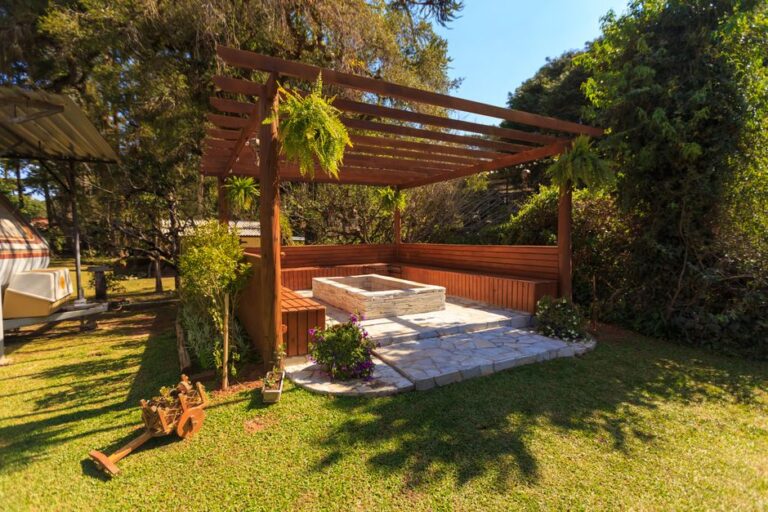
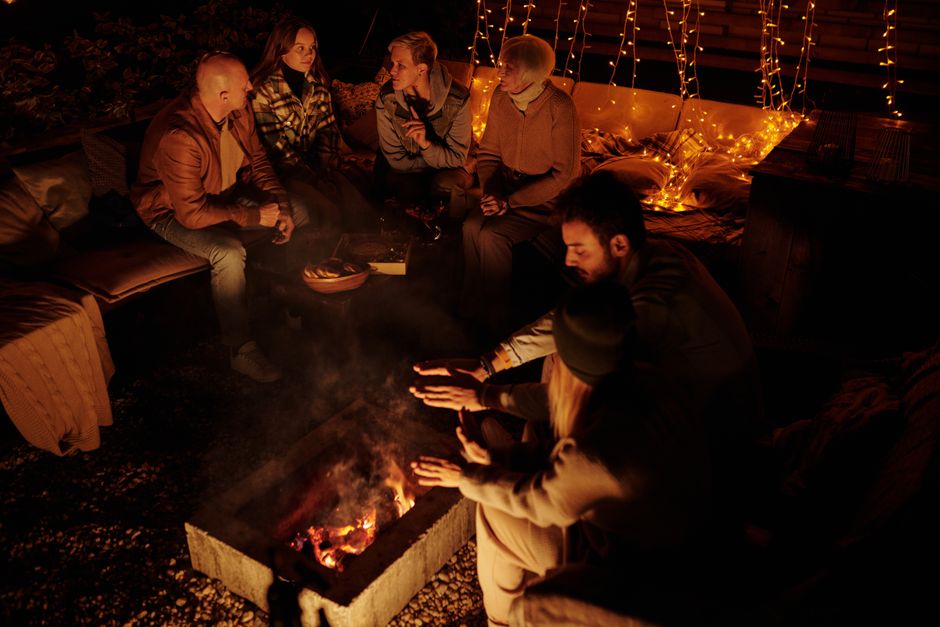
The fire is only as good as the seating around it. Leave three to four feet of clearance between the pit and seats for comfort and safety. Built-in curved benches with cushions create a cozy conversation circle, while Adirondack chairs offer a relaxed, movable option. For larger gatherings, arrange a mix of sofas and stools so guests can face the flames from every angle. A surrounding paver or gravel surface keeps the area clean and defines the zone.
Fire Pit Safety Essentials
Safety cannot be an afterthought with open flame. Place your pit at least ten feet from your home, fences, and overhanging trees, and never on a wooden deck without a protective heat barrier. Keep a fire extinguisher or water source nearby, and check local burn bans and permit rules before lighting a wood fire. For gas pits, have a professional install any fixed lines and ensure proper ventilation. A screen or spark guard on wood pits keeps embers contained on breezy nights.
Choosing Materials That Last
Durable materials keep your fire pit looking good for years. Fire brick or a steel insert should line any masonry pit to withstand repeated high heat. For the exterior, natural stone, concrete pavers, and weather-rated steel all hold up well. Avoid materials that trap moisture or crack under heat, such as untreated concrete or river rocks, which can explode when heated. Matching the pit’s finish to your patio pavers or home exterior ties the design together.
Fire Pit Value and Return on Investment
While a fire pit rarely appears on formal appraisal sheets, it is a strong emotional selling point that helps a backyard show well and a home sell faster. A modest built-in pit can return much of its cost in buyer appeal, and even portable models add lifestyle value that keeps a family using the yard more of the year. For under a few thousand dollars, a fire pit delivers outsized enjoyment relative to its cost, making it one of the best-value outdoor upgrades.
Adding Ambiance With Lighting and Landscaping
Surround your fire pit with layered landscaping and lighting to complete the scene. Low-voltage path lights guide guests to the pit after dark, while string lights overhead extend the glow beyond the flames. Ornamental grasses and drought-tolerant plants soften the perimeter without dropping flammable debris. A gravel or stone dust surround stays tidy and fire-safe, and a nearby storage bench keeps blankets and firewood within easy reach for spontaneous evenings outdoors.
Conclusion
A fire pit is one of the most rewarding additions to any backyard, delivering warmth, ambiance, and a gathering spot at a price to fit nearly any budget. Decide between the rustic charm of wood and the convenience of gas, build with heat-rated materials, and design comfortable, safe seating around the flames. Whether you spend $300 on a DIY ring or $10,000 on a custom gas feature, a well-planned fire pit will make your backyard the place everyone wants to be after sunset.