Backyard Landscaping Design: A 2026 Planning Guide
Great backyard landscaping does more than look pretty; it organizes your outdoor space into usable zones, boosts curb appeal, and can add real value to your home. Yet many homeowners jump straight to buying plants without a plan, then struggle with mismatched features and constant upkeep. This 2026 guide walks you through designing a backyard that works, covering layout principles, planting strategy, hardscaping, costs, and the practical decisions that lead to a cohesive, low-maintenance landscape you will enjoy year-round.
Start With a Landscape Plan
Every successful yard begins on paper. Sketch your property to scale, marking the house, existing trees, utilities, and how sun moves across the space through the day. Identify what you want: a dining area, a play zone for kids, a vegetable garden, or a quiet retreat. Grouping these functions into defined zones prevents the scattered, unfinished look that plagues unplanned yards. A clear plan also lets you phase the work and budget across seasons instead of spending impulsively.
Understanding Your Site and Climate
Working with your conditions rather than against them saves money and heartache. Learn your hardiness zone and choose plants suited to your rainfall, soil, and light. Test your soil’s pH and drainage before planting, and note low spots that collect water. In dry regions, xeriscaping with drought-tolerant natives cuts irrigation costs dramatically, while in wet climates, rain gardens and proper grading protect your foundation. Matching plants to your site produces a healthier, lower-maintenance landscape.
Creating Functional Outdoor Zones
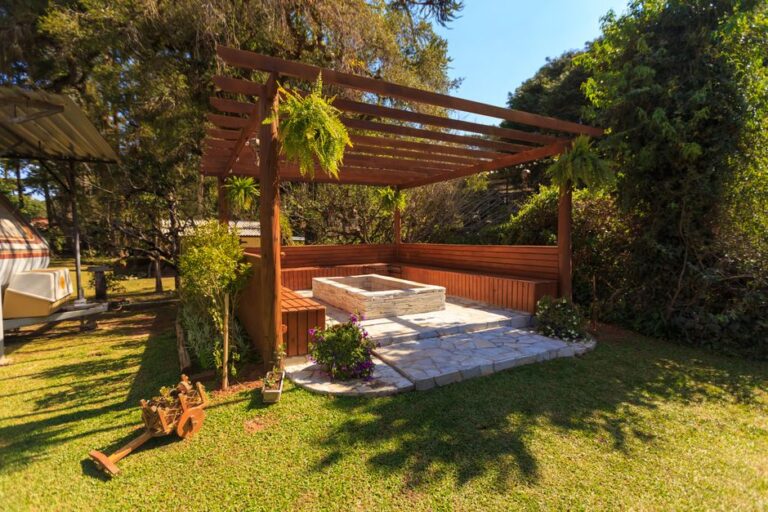
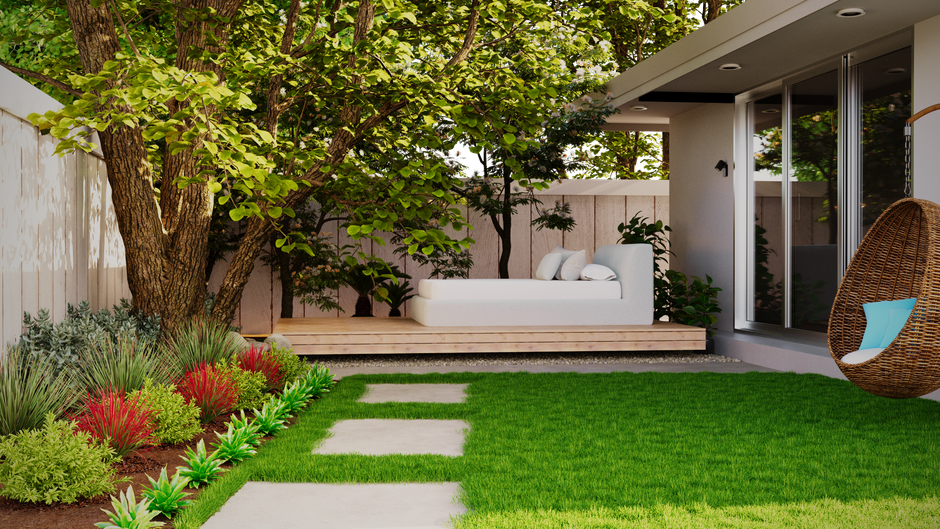
Think of your backyard as a series of outdoor rooms. A patio or deck near the house serves as the main living and dining zone. A lawn or play area suits families with children or pets. A garden bed or raised beds provide a growing space, and a secluded corner with a bench becomes a private retreat. Connecting these zones with pathways and transitions gives the yard flow and makes even a modest space feel larger and more purposeful.
Choosing Plants for Year-Round Interest
A well-designed landscape looks good in every season. Layer your planting for continuous appeal:
- Structure — evergreen shrubs and small trees anchor the design year-round.
- Seasonal color — perennials and flowering shrubs staggered to bloom across spring, summer, and fall.
- Texture — ornamental grasses and foliage plants for movement and contrast.
- Winter interest — plants with berries, bark, or seed heads that hold their form.
Repeating a few key plants throughout the yard creates rhythm and a professional, unified look.
Balancing Hardscape and Softscape
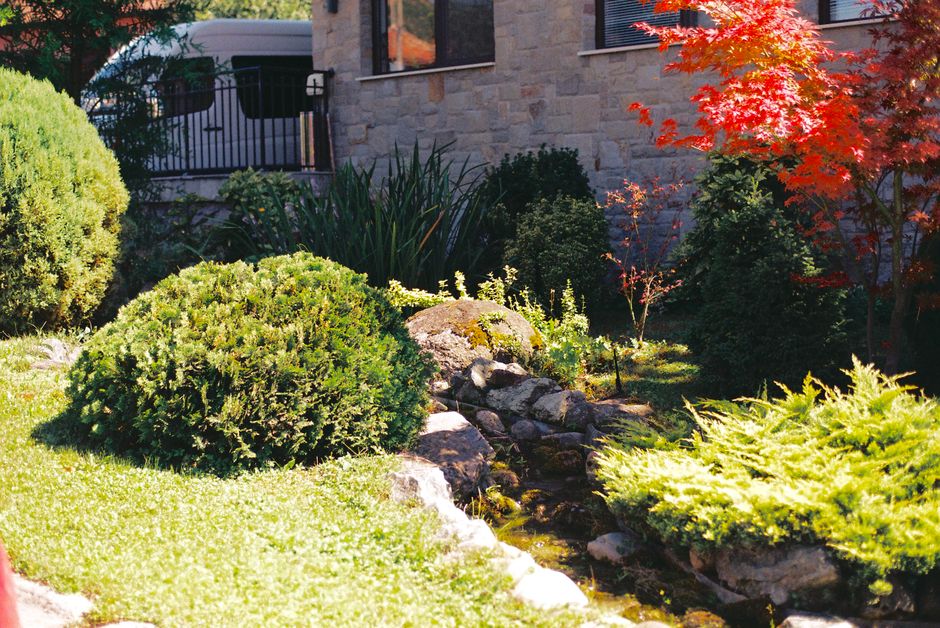
Hardscape elements like patios, walls, and paths give a landscape its bones, while softscape planting brings it to life. A common designer rule is to balance the two, avoiding a yard that is all lawn or all paving. Hardscape defines where people gather and move, and it holds up under traffic where grass would wear thin. Use complementary materials, echoing your home’s stone or brick, so the built features feel connected to the architecture rather than tacked on.
Backyard Landscaping Costs in 2026
Landscaping budgets vary enormously with scope. A basic refresh of beds, mulch, and a few plants might run $2,000 to $5,000. A mid-range project with new patio, planting, and lighting typically costs $10,000 to $30,000. A full custom landscape with hardscaping, water features, and mature plantings can exceed $50,000. As a rough guide, professionals suggest budgeting 5 to 10 percent of your home’s value for a complete landscape transformation.
Low-Maintenance Design Strategies
The best landscapes look full but demand little upkeep. Reduce lawn area, which is the thirstiest and most labor-intensive feature, in favor of planting beds and hardscape. Install drip irrigation on a timer to water efficiently, and apply a generous mulch layer to suppress weeds and retain moisture. Choose native and drought-tolerant plants that thrive without fuss, and group plants with similar water needs together. These choices cut both your maintenance hours and your utility bills.
Landscaping ROI and Home Value
Quality landscaping is among the few improvements that can appreciate over time as plants mature. Studies consistently show professional landscaping can add 5 to 15 percent to a home’s value and dramatically improve first impressions for buyers. A tidy, well-designed backyard signals a cared-for property and helps homes sell faster. Because much of the return comes from curb appeal and buyer emotion, even a modest, well-executed landscape delivers strong value relative to its cost.
Hiring a Pro Versus DIY
Small planting projects and mulching are well within reach for most homeowners and offer big savings. For grading, drainage, hardscaping, and complex plant selection, a landscape designer or architect earns their fee by avoiding costly mistakes and creating a cohesive plan. A middle path is common: hire a designer for the master plan, then execute it yourself in phases. Whichever route you choose, invest in the plan first so every dollar spent builds toward a unified result.
Sustainable and Eco-Friendly Landscaping
Eco-conscious design is a defining trend of 2026 and often saves money too. Replacing thirsty lawn with native plants and drought-tolerant species cuts water bills and supports pollinators. Rain gardens and permeable paving capture runoff and recharge groundwater instead of overwhelming storm drains. Composting yard waste enriches soil naturally, and mulching reduces both watering and weeding. Grouping plants by water needs, a practice called hydrozoning, lets irrigation run efficiently. Sustainable landscaping not only lowers your environmental footprint and utility costs but also creates a resilient garden that thrives with less intervention year after year.
Conclusion
Backyard landscaping design rewards planning above all else. Start with a scaled plan, work with your site and climate, and organize the space into functional outdoor rooms connected by paths. Balance hardscape and planting, layer for year-round interest, and lean on low-maintenance strategies to keep upkeep manageable. Whether you spend $5,000 or $50,000, a thoughtfully designed landscape delivers daily enjoyment, lower maintenance, and lasting value that grows more beautiful with every passing season.