Sprinkler System Cost 2026: Installation, Types, and ROI
A well-designed irrigation system takes the guesswork and labor out of watering, delivering the right amount of moisture to every corner of your landscape automatically. But installing an in-ground sprinkler system is a significant home investment. This 2026 guide breaks down what you will pay, what drives the price, and whether an automatic system is worth it for your property.
Average Sprinkler System Cost
In 2026, a professionally installed in-ground sprinkler system costs $2,500 to $6,000 for a typical residential yard, or roughly $0.50 to $1.50 per square foot of irrigated area. Small yards may come in under $2,500, while large properties with multiple zones and premium components can exceed $8,000. In the UK, expect £2,000 to £6,000 depending on size and complexity.
What Determines the Price
Several factors shape your quote:
- Yard size: more area means more heads, pipe, and labor
- Number of zones: each zone adds valves and wiring
- Landscape complexity: beds, trees, and slopes require custom design
- Soil and trenching: rocky or clay soil raises labor cost
- Controller type: basic timers cost less than smart Wi-Fi controllers
- Water source and backflow prevention requirements
Understanding Zones
A sprinkler system is divided into zones, each watering a specific area with similar needs. Lawns, flower beds, and shaded areas all require different amounts of water, so grouping them into zones lets the controller water each appropriately. Most residential yards use three to eight zones, and the number of zones is one of the biggest cost drivers because each requires its own valve and wiring run. A thoughtful zone design also improves plant health and reduces waste.
Zones are necessary partly because of water pressure and flow limits: your home’s supply can only push so many sprinkler heads at once. Dividing the system into zones that run one at a time ensures every head gets adequate pressure for full, even coverage. Grouping by sun exposure matters too, since a sunny south-facing lawn dries out far faster than a shaded bed, and putting them on separate zones lets you water each on its own schedule rather than overwatering one to satisfy the other.
Sprinkler Head Types
Different areas call for different heads:
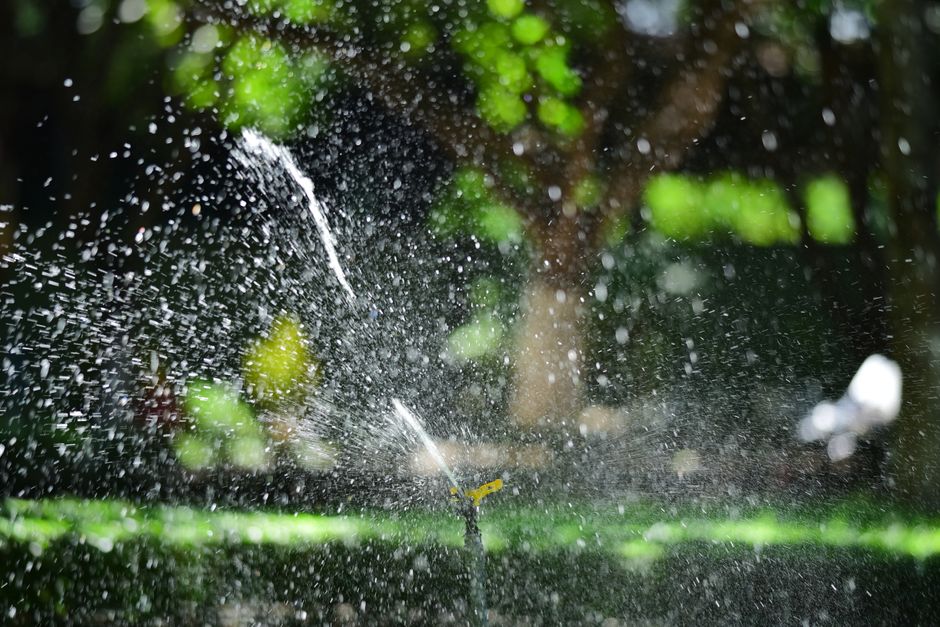
- Spray heads deliver a fixed fan of water, ideal for small lawn sections
- Rotor heads rotate to cover large lawn areas efficiently
- Drip irrigation delivers water slowly to beds, trees, and gardens with minimal waste
- Bubbler heads soak individual trees and shrubs deeply
A good design mixes head types to match your landscape and minimize water use.
Smart Controllers and Water Savings
A smart, weather-based controller adjusts watering automatically using local weather data, soil moisture, and evapotranspiration rates. These controllers cost $150 to $400 more than a basic timer but can cut water use by 20 to 50 percent by skipping rainy days and avoiding overwatering. In dry regions with high water rates, a smart controller often pays for itself within a couple of seasons, and many water utilities offer rebates for installing one.
DIY vs. Professional Installation
Installing a sprinkler system yourself can save 40 to 50 percent on labor, and kits are widely available. However, proper design, hydraulic calculations, trenching, and connecting to your water supply and backflow preventer are demanding. Mistakes lead to uneven coverage, low pressure, or code violations. Many jurisdictions also require a licensed plumber for the backflow connection. DIY suits small, simple yards and confident homeowners; larger or complex properties benefit from professional design and installation.
Ongoing Costs and Maintenance
Beyond installation, plan for modest ongoing costs. In cold climates, winterizing (blowing out the lines) costs $50 to $150 each fall, and spring startup runs a similar amount. Occasional repairs to heads or valves are inexpensive, typically $10 to $30 per head plus labor. A well-installed system, however, requires little attention and can last 20 years or more with basic seasonal care.
Watering Efficiency Tips
Even the best system wastes water if programmed poorly. Water early in the morning to reduce evaporation, run longer cycles less frequently to encourage deep roots, and adjust the schedule seasonally. Inspect heads periodically for misalignment or clogs, and install a rain sensor if you do not have a smart controller. These habits protect your investment and keep bills in check.
Is a Sprinkler System Worth It?
An automatic irrigation system buys back the time and hassle of dragging hoses, ensures consistent watering that keeps landscaping healthy, and can lower water bills when paired with a smart controller. It also adds to home value and appeal, particularly in warm, dry regions where buyers expect irrigation. For homeowners with large lawns, valuable landscaping, or busy schedules, the convenience and plant health benefits usually justify the cost.
At $2,500 to $6,000 installed, a sprinkler system is a meaningful investment that pays dividends in convenience, healthier plants, and potential water savings. Focus on a smart zone design, consider a weather-based controller, check for utility rebates, and get multiple detailed quotes. Done right, automatic irrigation is one of the most convenient upgrades you can make to your outdoor space.
When comparing bids, look beyond the bottom-line price to the components and design. Ask which brand of heads, valves, and controller each installer uses, since quality commercial-grade parts last far longer than budget hardware and are easier to service. Confirm the number of zones, the head spacing (proper coverage means heads spray head-to-head so their arcs overlap), and whether the quote includes a rain sensor, backflow preventer, and permit fees. A cheap system with too few zones and poor spacing wastes water and leaves dry spots, costing more in the long run than a well-engineered design.