Landscaping Cost Guide 2026: Budgets, Projects, and ROI
Landscaping transforms a plain yard into an outdoor living space that boosts curb appeal, enjoyment, and home value. But costs range enormously depending on scope, from a few hundred dollars of fresh plantings to a five-figure full backyard redesign. This 2026 guide helps you set a realistic budget and understand where your money goes.
Average Landscaping Costs
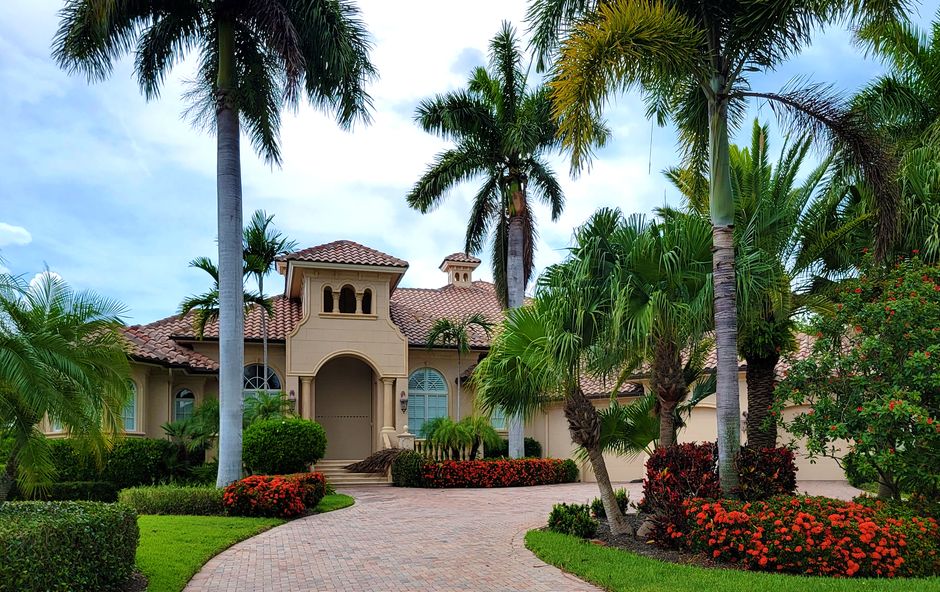
Most homeowners spend between $3,000 and $20,000 on a landscaping project in 2026, with the national average for a substantial makeover around $8,000 to $12,000. Simple refreshes such as mulching and planting run $1,000 to $3,000, while comprehensive designs with hardscaping, lighting, and irrigation can exceed $30,000. As a rule of thumb, budgeting 5 to 15 percent of your home’s value for landscaping is common for a full transformation.
Cost by Project Type
- Landscape design plan: $500 to $2,500
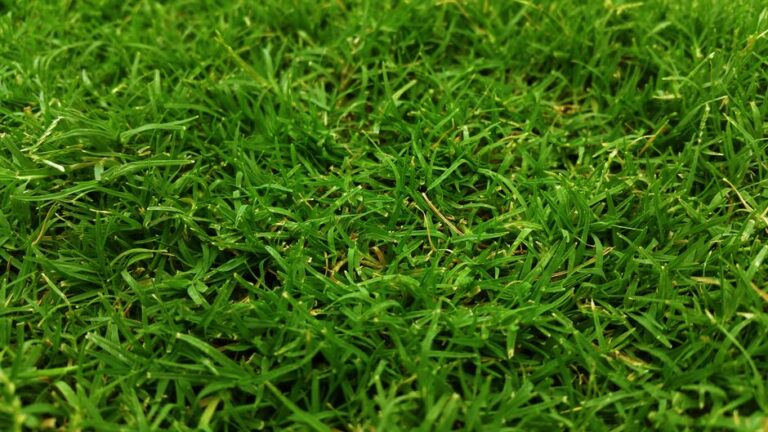
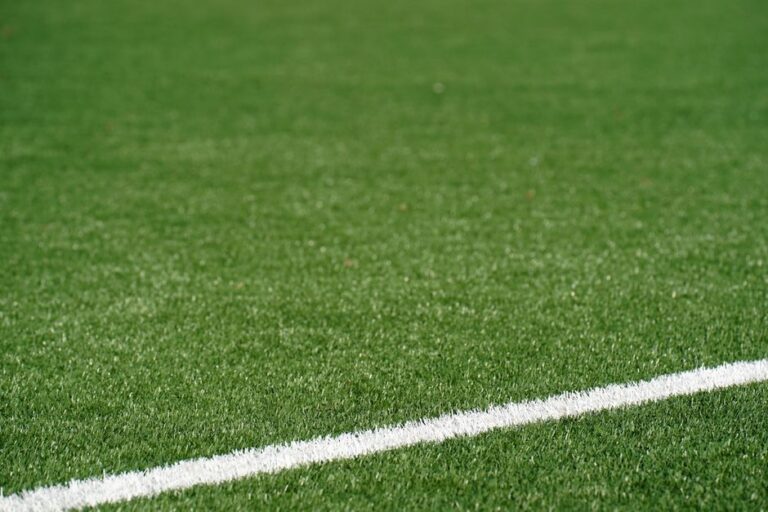
- New sod or lawn: $1 to $2.50 per sq ft
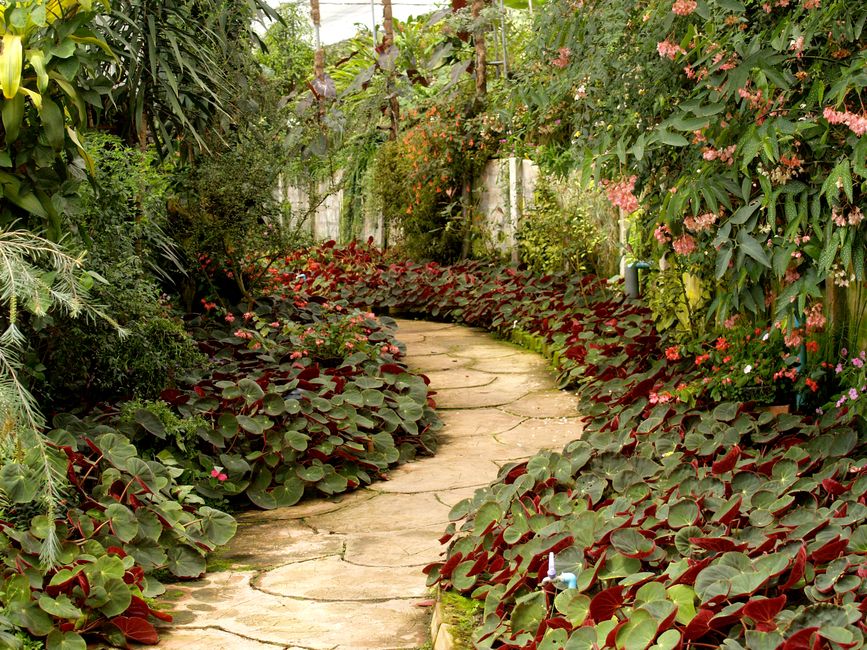
- Planting beds and shrubs: $1,000 to $4,000
- Mulch installation: $150 to $600
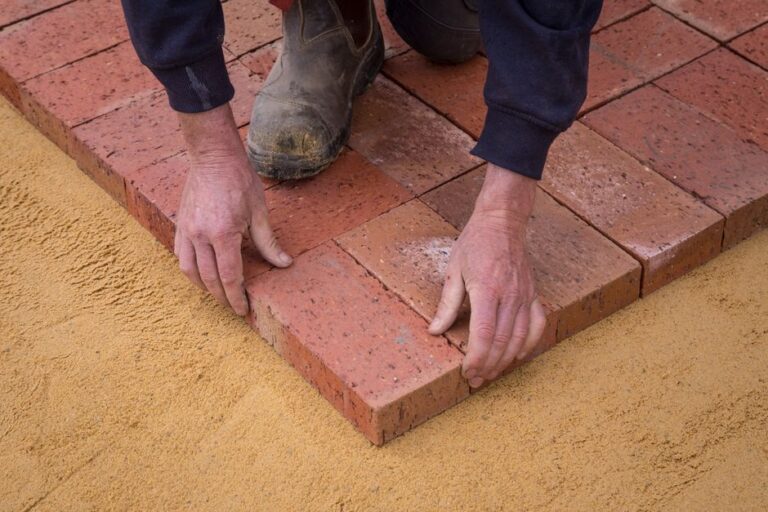
- Paver patio: $10 to $25 per sq ft
- Retaining wall: $30 to $80 per sq ft
- Outdoor lighting: $2,000 to $5,000
- Water feature: $1,500 to $6,000
Softscaping vs. Hardscaping
Landscaping splits into two categories. Softscaping covers living elements like grass, plants, trees, and mulch, which are relatively affordable but require ongoing care. Hardscaping covers built features like patios, walkways, walls, and fire pits, which cost far more upfront but are durable and low-maintenance. A balanced design blends both, and hardscaping typically consumes the largest share of a project budget because of materials and skilled labor.
Labor vs. Materials
On most projects, labor accounts for 40 to 60 percent of the total cost. Skilled work such as building retaining walls, laying pavers, and installing irrigation is labor-intensive and drives the bulk of professional pricing. Choosing simpler designs, phasing projects over time, and handling planting or mulching yourself are effective ways to control labor costs without sacrificing the elements that matter most.
Material choices also swing the budget dramatically for the same design. Natural stone, brick, and hardwood sit at the premium end, while concrete pavers, gravel, and composite materials offer a similar look for less. Being flexible on finishes, choosing locally available stone to cut freight costs, and mixing a splurge feature with more economical surroundings all stretch a budget further. Discuss these trade-offs openly with your contractor, who can often suggest look-alike materials that trim thousands from a quote without visibly compromising the finished result.
Designing Within a Budget
To make the most of a limited budget, prioritize the areas people see and use most, typically the front yard for curb appeal and one gathering space in back. Phasing the project across seasons spreads cost and lets you fund later stages from savings. Investing in a professional design plan upfront, even if you install some elements yourself, prevents expensive mistakes and ensures the pieces work together into a cohesive whole.
Which Projects Deliver the Best ROI?
Not all landscaping returns equal value. Some of the highest-return investments include:
- A healthy, well-maintained lawn, which buyers consistently value
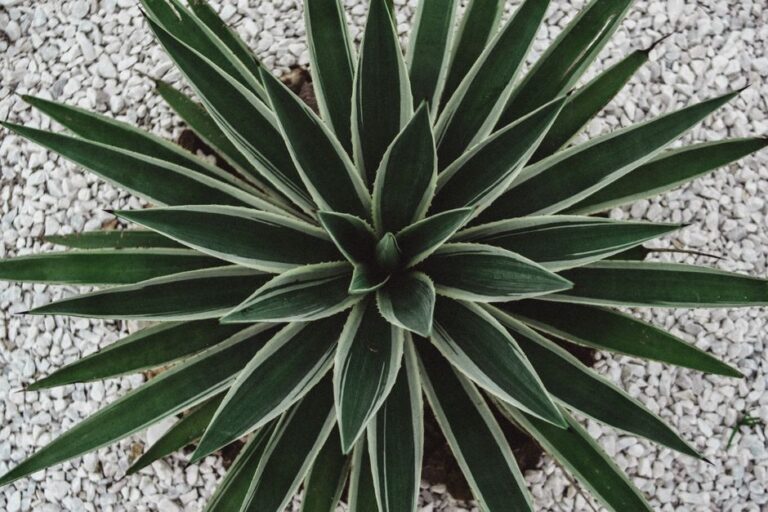
- Mature trees and quality plantings that soften and frame the home
- A functional patio or deck that expands living space
- Landscape lighting for safety and dramatic curb appeal
- A tidy, welcoming front entrance and walkway
Well-designed landscaping can recover much of its cost at resale and, according to many appraisers, add up to 10 to 15 percent to perceived home value.
Choosing the Right Contractor
The contractor you hire has an enormous impact on both cost and outcome. Look for licensed, insured professionals with strong portfolios and references. A designer or design-build firm handles large projects end to end, while a landscape laborer may suffice for planting and mulching. Verify credentials, read reviews, and never pay the full amount upfront; a deposit with progress payments is standard.
Ongoing Maintenance Costs
A beautiful landscape has running costs. Budget for routine lawn care, seasonal plantings, mulch refreshes, pruning, and irrigation. Choosing native and drought-tolerant plants, right-sizing the lawn, and using durable hardscaping reduce long-term maintenance and keep the design looking its best without constant expense. Design with future upkeep in mind, not just the initial look.
How to Get Accurate Quotes
Get at least three itemized bids that separate design, materials, and labor. Confirm what is included, such as site prep, cleanup, and warranties on plants and workmanship. Be clear about your budget and priorities so contractors can propose designs that fit rather than overshoot. A detailed written scope protects you from surprise costs mid-project and makes comparing bids far easier.
Landscaping is one of the most rewarding investments you can make in your property, blending beauty, function, and lasting value. With costs ranging from a few thousand dollars for a refresh to tens of thousands for a full redesign, careful planning and phasing keep the project affordable. Prioritize high-ROI elements, hire carefully, get detailed quotes, and design for low maintenance to enjoy a stunning yard for years.
If you are planning a larger project, consider the timing of your spend as well as the scope. Nurseries and contractors often discount plants and labor in the shoulder seasons of late fall and early spring, when demand is lower, and buying trees and shrubs slightly smaller lets them establish for less while you wait a season or two for them to fill in. Similarly, tackling structural work like grading, drainage, and hardscaping first, then adding softscaping later, prevents you from tearing up finished plantings during heavy construction. A well-sequenced plan protects both your budget and the work you have already paid for.