Mulch Types and Cost: Choosing the Best Mulch for Your Yard
Mulch types cost is an important topic for homeowners, and this guide covers it in detail. Mulch is one of the highest-value additions you can make to any garden bed. A good layer conserves moisture, suppresses weeds, moderates soil temperature, and gives beds a tidy, finished look, all for a modest cost. But with so many types available, choosing the right mulch and estimating how much you need can be confusing. This guide clears it up with 2026 pricing.
Why Mulch Matters
Mulch does far more than look attractive. A two to three inch layer reduces water evaporation by up to 70 percent, blocks sunlight that weed seeds need to sprout, insulates roots against temperature swings, and, in the case of organic mulches, slowly enriches the soil as it breaks down. For most homeowners, mulching is the single most cost-effective way to keep beds healthy and low-maintenance throughout the year.
Organic vs. Inorganic Mulch
Mulches fall into two broad categories. Organic mulches like wood chips, bark, and straw decompose over time, improving soil but requiring replenishment every year or two. Inorganic mulches like rubber, gravel, and stone last for years without breaking down but do not feed the soil. The right choice depends on whether you prioritize soil health or long-term durability and low upkeep.
Many homeowners use both across a property, matching each to its setting. Organic mulch suits garden beds and around trees and shrubs, where feeding the soil benefits the plants, while inorganic mulch shines in permanent, low-planting areas such as pathways, side yards, and around foundations, where you want a tidy surface that never needs topping up. Thinking in terms of the right mulch for each zone, rather than a single choice for the whole yard, gives you the soil benefits where they count and the durability where they save you the most work.
Popular Mulch Types and Their Cost
- Shredded hardwood: $30 to $45 per cubic yard; classic, affordable, all-purpose
- Bark mulch (pine, cedar): $35 to $55 per cubic yard; attractive, aromatic, slow to break down
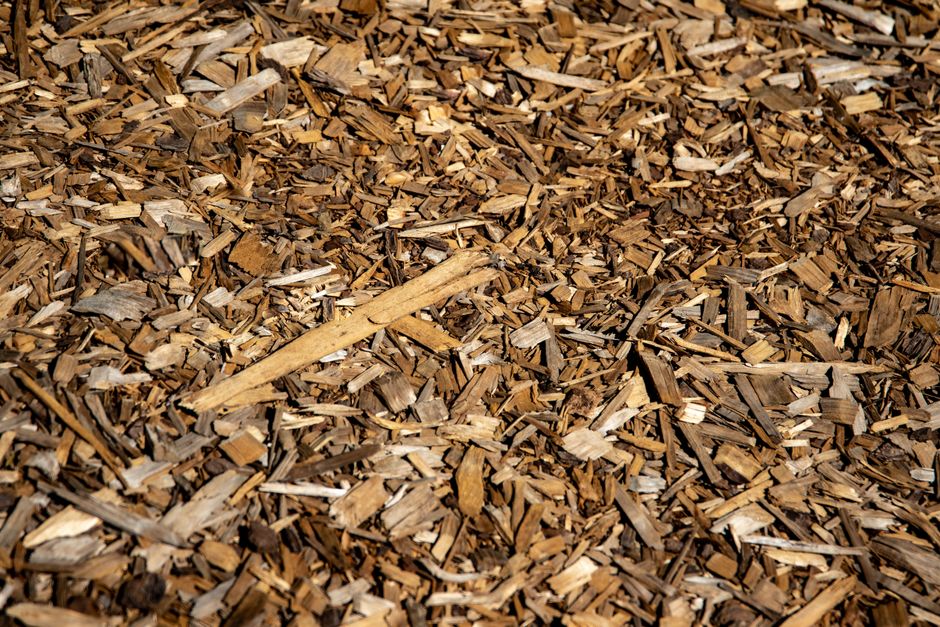
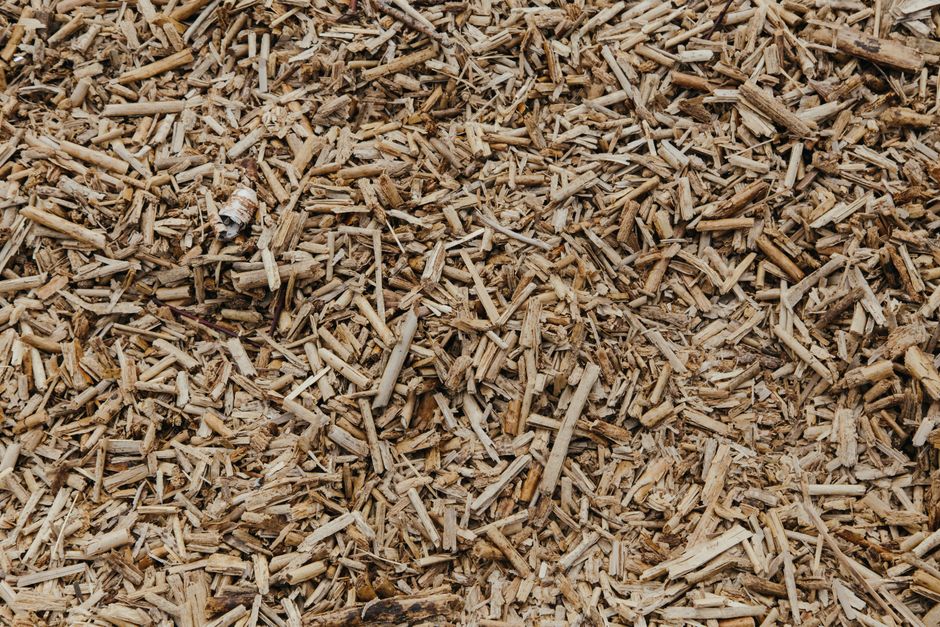
- Wood chips: $20 to $40 per cubic yard; economical for large areas
- Rubber mulch: $8 to $15 per bag; long-lasting, ideal for play areas
- Gravel or stone: $40 to $80 per cubic yard; permanent, great for xeriscapes
- Straw: $5 to $10 per bale; cheap, best for vegetable gardens
- Cocoa or dyed mulch: premium options for a specific look
How Much Mulch Do You Need?
To calculate your needs, measure the square footage of your beds and decide on depth, usually two to three inches. One cubic yard of mulch covers about 100 square feet at three inches deep, or roughly 160 square feet at two inches. For example, a 300-square-foot bed at three inches needs about three cubic yards. Buying in bulk by the cubic yard is far cheaper than bagged mulch for large projects, so measure carefully before ordering.
Bagged vs. Bulk Mulch
Bagged mulch is convenient for small jobs and costs $3 to $7 per two-cubic-foot bag, but it works out much more expensive per yard, since it takes roughly 13 to 14 bags to equal one cubic yard. Bulk mulch delivered by the cubic yard is the economical choice for any sizable project, often less than half the cost of bagged. If you can arrange delivery and have space for a pile, bulk almost always wins on price.
Choosing the Right Mulch by Use
Match the mulch to the job:
- Ornamental beds: shredded hardwood or bark for looks and soil benefit
- Vegetable gardens: straw or compost that enriches soil
- Playgrounds: rubber or engineered wood fiber for cushioning
- Xeriscapes and paths: gravel or stone for permanence
- Around trees: wood chips in a wide, shallow ring, kept off the trunk
Application Tips and Mistakes to Avoid
Apply mulch two to three inches deep; more can suffocate roots and cause rot. The most common mistake is piling mulch against tree trunks in a volcano shape, which traps moisture and invites disease and pests. Always keep mulch a few inches away from trunks and stems. Refresh organic mulch annually as it decomposes, and lightly rake old mulch before adding new to prevent matting and mold.
When to Mulch
Timing matters. Apply mulch in mid to late spring once the soil has warmed, so you do not trap winter cold around emerging plants. A lighter fall application can insulate perennials against freeze-thaw cycles. Avoid mulching over cold, wet soil in early spring, which can slow plant growth and encourage rot. One refresh per season is usually enough.
DIY vs. Professional Installation
Spreading mulch is straightforward, and doing it yourself saves considerably on labor. Professional installation typically costs $50 to $100 per cubic yard installed, versus paying only for the material if you spread it yourself. For a weekend of work with a wheelbarrow and rake, most homeowners can save several hundred dollars on a large mulching project.
Mulch delivers exceptional value, protecting your plants, conserving water, and elevating your yard’s appearance for a modest cost. Choose an organic type for soil-building beds or an inorganic type where longevity matters, buy in bulk to save, and apply it correctly at two to three inches deep. With the right mulch in place, your garden will look better and demand less watering and weeding all season long.
A few extra habits will stretch your mulch investment even further. Before spreading, pull existing weeds and consider laying a thin layer of cardboard or several sheets of newspaper beneath organic mulch in problem beds, which smothers weeds and breaks down harmlessly over time. Avoid landscape fabric under organic mulch, as it eventually clogs and prevents the decomposing mulch from enriching the soil, and it becomes a headache to remove later. Refreshing just the top inch each spring, rather than piling on a full fresh layer, keeps beds looking sharp while using less material and preventing the depth from creeping up to unhealthy levels around your plants.