Professional Landscaping vs. DIY: Which Saves You More?
Professional landscaping diy is an important topic for homeowners, and this guide covers it in detail. Every homeowner with a yard eventually faces the question: should I do this landscaping project myself, or hire a professional? The right answer depends on your budget, skills, time, and the complexity of the job. This guide weighs the true costs and benefits of both approaches so you can make a confident, money-smart decision for your property.
The Core Trade-Off
At its heart, the DIY-versus-professional choice is a trade between money and time, backed by skill. DIY saves on labor, which often makes up half or more of a project’s cost, but demands your hours, effort, and know-how. Hiring a pro costs more but delivers speed, expertise, and a polished result with far less stress. Understanding where each shines helps you choose the right approach per project.
There is a third factor that often gets overlooked: risk. A professional carries the risk of the outcome, so if a patio settles or plants fail under warranty, fixing it is their responsibility, not yours. With DIY, you own every mistake, and some errors, like poor drainage that channels water toward your foundation or an unstable retaining wall, can lead to repairs costing many times the original project. Weighing money, time, and risk together, rather than focusing on upfront price alone, gives you a far clearer picture of which approach truly costs less in the end.
The Cost Difference
Labor typically accounts for 40 to 60 percent of a landscaping project’s total. By doing the work yourself, you pay only for materials, tools, and equipment rental. For example, mulching a bed might cost $200 in materials DIY versus $500 installed, and laying sod could run $600 in materials versus $1,500 professionally. The savings are real, but so are the hidden costs of tools, mistakes, and your time.
Where DIY Makes Sense
Many landscaping tasks are well within reach of a motivated homeowner:
- Mulching beds and refreshing existing plantings
- Planting flowers, shrubs, and small trees
- Seeding or overseeding a lawn
- Basic mowing, edging, and trimming
- Building a simple raised bed or small path
These projects require modest skill, are forgiving of small errors, and offer strong savings for the effort involved.
Where Professionals Are Worth It
Some jobs are best left to experts, both for quality and safety:
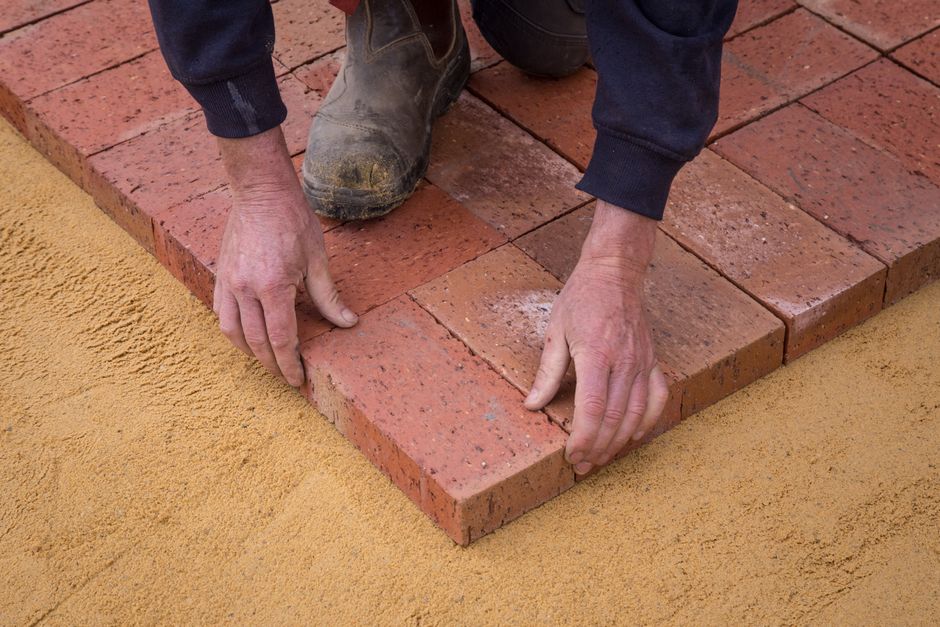
- Hardscaping like retaining walls and paver patios that require precision and load-bearing skill
- Irrigation systems involving plumbing, design, and code compliance
- Tree removal and large pruning, which are genuinely dangerous
- Grading and drainage that, done wrong, cause water damage
- Complex design where professional vision transforms the space
On these projects, professional expertise prevents costly failures that can dwarf any labor savings.
Hidden Costs of DIY
DIY is not always as cheap as it first appears. Factor in tool purchases or rentals, material waste from inexperience, and the value of your weekends. A mistake, such as a failed retaining wall or improperly graded yard, can cost far more to fix than hiring a pro would have in the first place. Be honest about your skill level and the true time commitment before committing to a large project.
The Value of Professional Expertise
Beyond labor, professionals bring design knowledge, plant selection expertise, correct installation techniques, and access to quality materials at trade pricing. They also carry insurance and often warranty their work and plants. For high-stakes or high-visibility projects, this expertise translates into better results, fewer failures, and often a higher return on investment at resale.
A Hybrid Approach
You do not have to choose all-or-nothing. Many homeowners get the best value by hiring professionals for the technical, high-risk elements and handling the simpler work themselves. For instance, pay a pro to design the space and build the patio, then do your own planting and mulching. Phasing projects this way spreads cost and lets you contribute your labor where it is safe and effective, maximizing both savings and quality.
Time, Skill, and Enjoyment
Money is not the only factor. Some homeowners genuinely enjoy landscaping and treat it as a rewarding hobby, in which case DIY pays back in satisfaction as well as savings. Others value their limited free time far more than the potential savings and would rather pay to have it done well. Consider whether the work energizes or drains you before deciding, because that matters as much as the dollars.
Making the Right Choice
To decide, weigh the project’s complexity, your relevant skills, the tools required, the safety risks, and the value of your time. Simple, low-risk, high-labor tasks favor DIY. Complex, technical, or dangerous work favors professionals. When a mistake would be expensive or hazardous to fix, hiring a pro is almost always the smarter financial choice, even at a higher upfront price.
There is no universal winner in the professional-versus-DIY debate; the right call depends on the project and your circumstances. Save money by doing the simple, safe work yourself, and invest in professionals for the technical and risky jobs where expertise pays off. A thoughtful hybrid strategy often delivers the best combination of savings, quality, and lasting value for your landscape.
Before you commit either way, do a quick honest audit of what a project truly demands. List the tools you would need to buy or rent, estimate the hours realistically (then add a buffer, because projects always take longer than expected), and research whether permits, utility locates, or inspections are required. Watch a few tutorials for the specific task to gauge the skill involved. If, after that, the job still looks manageable and you have the time and interest, DIY can be deeply satisfying and genuinely economical. If the audit reveals specialized equipment, real safety risks, or steps you are unsure about, that is your signal to get professional quotes and spend your own effort on the parts you can confidently handle.